2,305 new HIV cases detected in a year in Bangladesh, up 22 percent
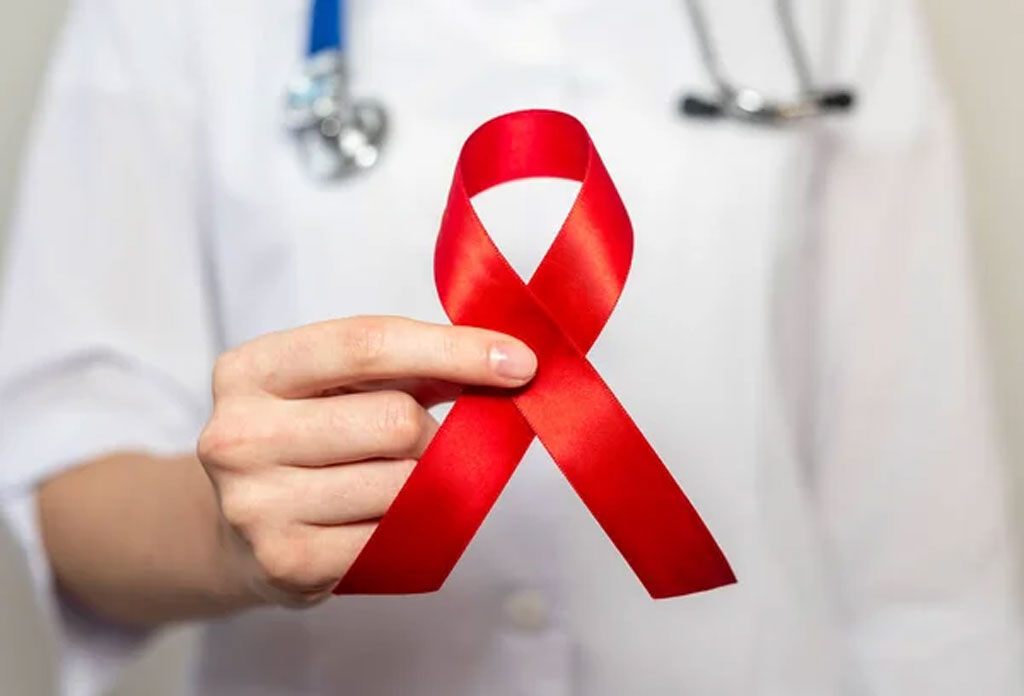
A total of 2,305 people were newly detected with HIV, the virus that causes AIDS, in Bangladesh over the past year — a figure 22 percent higher than the previous year. In the same period, 285 people living with HIV died. Men account for 85 percent of the newly detected cases.
Health Minister Sardar Md Sakhawat Hossain presented the figures at a press conference organized by the Ministry of Health and Family Welfare on Sunday ahead of World AIDS Day. Detailed information on the country's HIV situation and government activities was shared at the briefing.
According to government data, a total of 2,649,663 people were tested and screened for HIV through public and private institutions between November 2025 and October 2026, and 2,305 new infections were detected during that period. By comparison, the number of detections in 2025 was 1,891.
An analysis of the ages of those infected shows that people aged 25 to 49 account for 61 percent, those aged 20 to 24 account for 24 percent, and other age groups account for 15 percent — meaning most of those detected are of working age.
By marital status, 48 percent of the newly detected people are married and 48 percent are unmarried, while 1 percent are widowed and 1 percent are divorced or living alone.
The press conference was told that the HIV infection rate among the general population in Bangladesh is still below 0.1 percent, although the rate is comparatively higher among specific at-risk groups. An analysis of the occupations and behavior of the newly detected people found that 60 percent are men who have sex with men and male sex workers, 1 percent are hijra, 1 percent are female sex workers, 4 percent inject drugs, 5 percent are Rohingya, 11 percent are returnees from abroad and their family members, and 18 percent belong to other general population groups.
It was also reported that an estimated 19,840 people are living with HIV in the country. Of them, 16,618 have been identified so far, meaning an estimated 3,200 people remain undetected.
HIV testing and treatment services are being run with funding from the government and development partners. According to the Health Services Division, HIV testing centers operate at 20 government hospitals in 20 districts. Treatment services for people living with HIV are also provided through 16 medical colleges and district sadar hospitals, and through eight NGO satellite and drop-in centers.
The government supplies antiretroviral (ARV) medicine free of charge to HIV patients. Currently about 10,114 patients are receiving the medicine. The government has borne the cost of treatment for people living with HIV since 2017.
Plans to expand services were also announced at the press conference. A Development Project Proposal (DPP) has been prepared to extend HIV testing services to medical colleges and district sadar hospitals in all 64 districts.
On prevention, HIV prevention activities are being carried out among about 145,000 people from at-risk groups in 42 districts. The activities include distribution of prevention materials, testing, bringing infected people under treatment, management of sexually transmitted diseases, peer education, and awareness work to change behavior.
In addition, HIV testing and treatment services are running in 11 prisons in 11 districts. Testing and treatment services are also being provided among the Rohingya population in Cox's Bazar, with support from development partners and non-governmental organizations.
For this year's World AIDS Day, a rally will be held in front of the Osmani Memorial Auditorium in the capital on the morning of December 1, followed by a seminar at the auditorium.
At the same press conference, the health minister said the country currently faces a shortage of about 82,000 doctors, and the crisis could grow further this year. He said initiatives are being taken to recruit 5,000 doctors as quickly as possible to address the situation.