Security, Prosperity and Reform — Saudi Crown Prince Mohammed bin Salman Faces the Toughest Test of His Three Promises
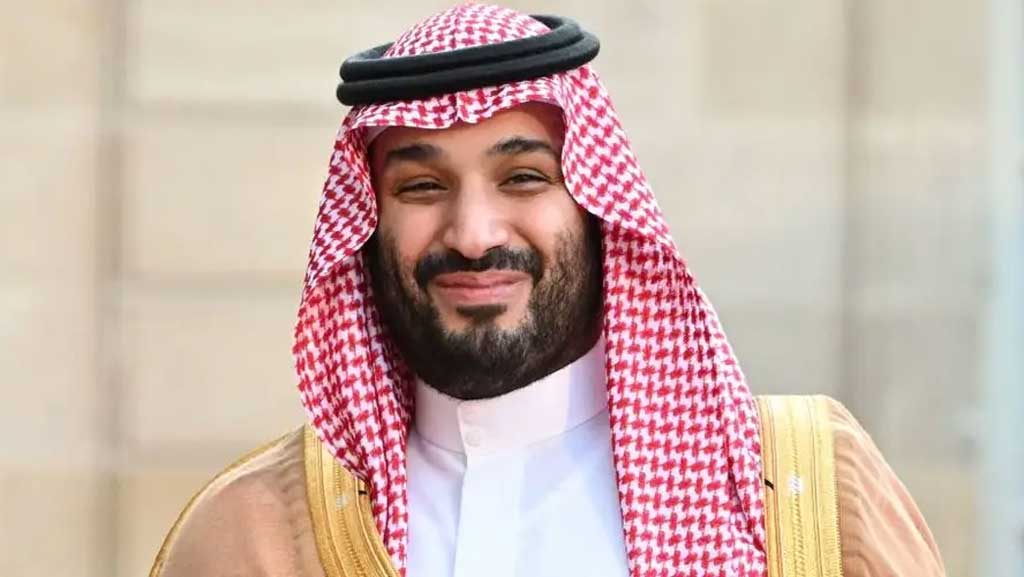
Mohammed bin Salman has been at the helm of Saudi Arabia for nearly a decade. But the coming months could become the biggest test of his time in power. He gave his people three promises — security, prosperity and reform. Recent events, such as the Houthi attack on Riyadh's main airport, have shaken the foundations of all three promises at once.
As defence minister in 2015, the crown prince coordinated the huge military campaign against the Houthi rebels in Yemen. It was through that campaign that he announced to the world that a new leadership had come to power in Saudi Arabia.
In the recent Houthi attack on Riyadh's main airport, 12 people were killed and more than 300 injured. Several flights had to be cancelled and many aircraft diverted elsewhere. Scenes of panicked passengers running spread across the Middle East. For MBS the attack is more painful because it struck a main pillar of the unwritten bargain he had built with his people.
Ruling Saudi Arabia is not easy. The country's population is young, with an average age of just 25. Tied to that are the huge aspirations, expectations and discontent of the young generation. The crown prince wants stability and loyalty; in return he has promised security, prosperity and reform. Internationally, too, he has tried to present Saudi Arabia as a dependable and attractive country — a place to invest in and to visit as a tourist.
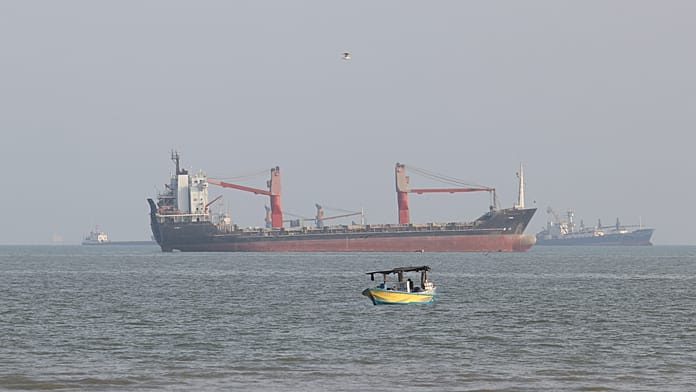
But the US and Israeli attacks on Iran weakened the foundation of that narrative for the first time. Striking back, Iran targeted whoever was within its reach — including Saudi Arabia. The financial value of the damage to the Saudi kingdom's oil infrastructure could run to tens of billions of dollars.
Now the Houthis have shown they have the capability to strike at the very centre of MBS's power. Riyadh airport has been attacked multiple times. Dammam airport in the country's east has also been hit. Last week a missile struck the headquarters of state oil company Saudi Aramco; fortunately, no one was hurt in that attack.
Saudi Arabia is one of the world's largest arms importers; its defence spending is 6.5 percent of GDP. Yet protecting the country from external attack is harder than ruling it. Vital infrastructure spread across a vast territory can be targeted by Iran and its allied armed groups from three directions, while the Saudi armed forces are also spread across regions and the command structure has traditionally been kept fragmented for political reasons.
Added to this is another difficult calculation. The drones the Houthis or Iran launch are far cheaper and far more numerous than the Western interceptor missiles. Yet producing and procuring the missiles to destroy them is far more expensive. As a result, credibly keeping the promise of security is becoming hard for the crown prince. Because of the security situation, schools have moved to online classes and several organisations have allowed staff to work from home. Anxiety may also grow among investors.
The promise of prosperity is under pressure too. The crown prince is due to host the lavish Future Investment Initiative conference at the end of this month; but gathering the world's influential figures and big investors as in the past will not be easy this time, because investors are generally reluctant to put money into places they do not consider safe.
Saudi Arabia has a target of attracting 100 billion dollars of foreign investment a year by 2030. That investment rose significantly last year; but in the second quarter of 2026 it fell 17 percent compared with the same period the previous year, to 5.95 billion dollars. Without a steady flow of foreign investment, the effort to reduce dependence on oil and diversify the economy could also falter.
The financial pressure is clear. This year Saudi Arabia's fiscal deficit is estimated to possibly reach about 5 percent of GDP. Because of fears of attacks on oil infrastructure and threats around the Strait of Hormuz, the Saudi finance ministry has forecast the country's GDP will contract by 3.6 percent in 2026, mainly due to a possible 21.8 percent fall in the petroleum sector. Much of the lending now taking place in the country is going to support state-owned entities — in August, banks lent to state entities at three times the pace of lending to the private sector.
Questions are also growing over the third promise, reform. To be fair, several changes from his era — relaxing male-guardianship laws, giving women the right to drive and expanding their participation in the workplace — are now accepted as normal in Saudi society. But if ensuring security and prosperity becomes steadily harder, keeping the pace of reform becomes a challenge; the reform programme is one of the main bases of his political identity, yet those reforms can also become an occasion for discontented people to come together.
In this situation, his interest in rebuilding strained relations with Gulf neighbours has offered some hope. He recently said Gulf security is 'indivisible' — one country's security cannot be separated from the security of the others. Last week a top UAE official used exactly the same expression.
The most significant change has been seen in the language of his speeches. In his annual address to the Shura Council last month, instead of talking about gleaming new cities of the future or ambitious plans as he usually begins, he spoke about the past — raising his inheritance and family tradition of rule, claiming his family has ruled Saudi Arabia for more than three centuries and that he is the successor of that tradition. Standing before the biggest crisis of his career, one of the world's most powerful young leaders is now looking back to the past to deal with the crisis.