Glasgow Museums Remove Ancient Egyptian Mummies From Display Over Lack of Consent
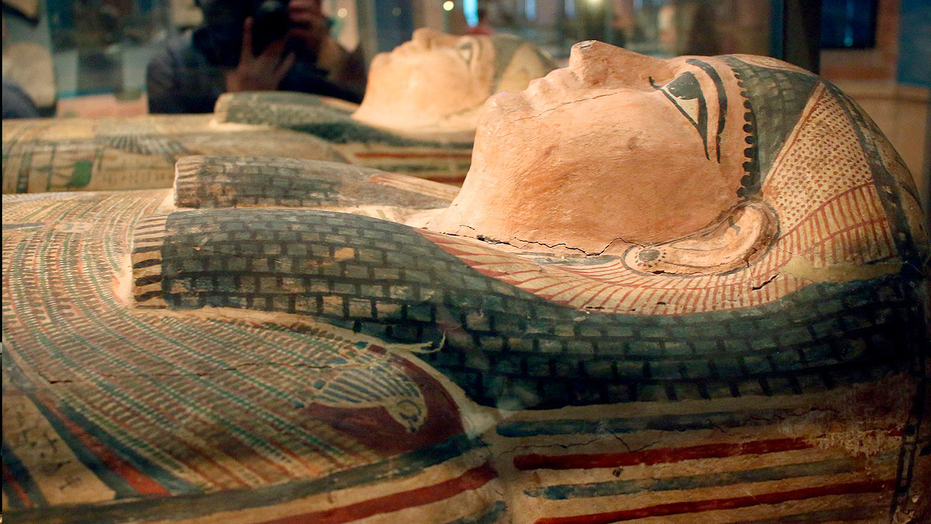
Two museums in Glasgow, Scotland, have removed ancient Egyptian mummies from public view. The decisions follow concern that the remains were displayed without the consent of the deceased or their descendants.
Kelvingrove Art Gallery and Museum is one of several museums in Glasgow that have changed their policies on displaying human remains. Glasgow Life, which manages Kelvingrove, removed the mummified remains of the Egyptian priest Nekht, who lived more than 3,500 years ago, along with his painted coffin, in the absence of consent from the deceased individual or their descendants.
A spokesperson for Glasgow Life told Fox News Digital, 'The removal of human remains from display at Glasgow Life museums reflects contemporary museum practice.'
The spokesperson said the International Council of Museums' revised Code of Ethics, published in June 2026, states that 'Museums should uphold the inherent dignity of human remains and promote respect for their significance.'
The spokesperson also pointed to the All-Party Parliamentary Group on Afrikan Reparations 2025 report, 'Laying Ancestors to Rest,' which raises ethical concerns about the display of ancient Egyptian human remains due to the consistent disregard of the potential wishes of the ancestors and the intention of the communities that originally laid them to rest.
Glasgow Life's draft Human Remains Policy proposes that human remains should only be displayed where there is documented and informed consent from the deceased individual or, in appropriate circumstances, their descendants, the spokesperson said. 'In the absence of such consent, we believe removing ancient Egyptian human remains from display is more respectful to the deceased individuals,' the spokesperson concluded.
The Hunterian, another museum in Glasgow, said the elaborate sarcophagus, or decorated coffin, of Lady Shep-En-Hor will remain on display, but her mummified remains will be covered going forward, so she can no longer be viewed.
In a press release, The Hunterian at the University of Glasgow said that, as part of its commitment to becoming a more ethical institution, it is considering its holdings of archaeological and anatomical human remains across all sections of its collections. 'Human remains are among those items which The Hunterian seeks most keenly to return to their communities and nations of origin,' the statement said.
The Hunterian said that, after in-depth consideration and consultation with experts, including Egyptologists, it has decided to no longer put human remains from outside the UK on open display. It will continue to display Lady Shep-En-Hor's sarcophagus as a fine work of Late Period Ancient Egyptian funerary art, but will cover the mummified person.