
About 75 Percent of Deceased Former NFL Players Had Brain Disease CTE, New Study Estimates
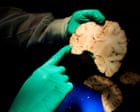
A new study published on Wednesday estimates that about 75 percent of former NFL players who died over a 15-year period had evidence of chronic traumatic encephalopathy, known as CTE, a degenerative brain disease.
The research, published in JAMA Network Open and conducted by a Boston-based team, examined the estimated prevalence of the disease among NFL players who died from 2008 through 2023. Researchers found that the estimated rate of CTE among these players was substantially higher than the rates observed in brain samples collected from the general population.
The analysis included records from 2,362 deceased former NFL players who spent an average of five years in the league.
Of the nearly 400 players whose brains were donated for examination, 93.5 percent showed evidence of CTE.
Researchers said the findings represented the first attempt to estimate how widespread CTE was among all former NFL players who died during the 2008-2023 period, rather than limiting the analysis to individuals whose brains were donated for research.
Physical changes associated with the condition include brain atrophy, which involves the loss of brain tissue, and accumulations of tau protein, a characteristic also associated with Alzheimer's disease.
The difference compared with the broader population was substantial. According to the study's authors, less than 1 percent of brain samples from community-based brain banks contain evidence of CTE.
However, the presence of CTE-related changes in the brain does not necessarily mean a person will develop dementia or experience declining cognitive abilities. Some individuals with the condition may never develop noticeable symptoms.
Researchers estimated that approximately 27 percent of the former NFL players included in the analysis had dementia. CTE can also damage areas of the brain responsible for emotional control and behavior; potential symptoms include depression, memory problems, severe mood changes and other behavioral difficulties.
Yorghos Tripodis, the study's senior author, said in a statement released by Mass General Brigham that the researchers recognize the findings may cause concern for the community of living players and their families. He said they and others are standing by to provide support, and that there is hope for those living with CTE. Discoveries from the brain bank, he added, have already brought researchers significantly closer to a diagnosis during life, at which point the most important goal will be to develop effective treatments for CTE.
The findings follow another study released in August, which determined that at least one in four former NFL players who died between 2016 and 2021 had CTE. Following that study, the NFL said in a statement that it continuously strives to make the game of football safer, including by implementing strategies to reduce concussions and head impacts.
A number of high-profile NFL players who took their own lives, including Junior Seau, Dave Duerson and Aaron Hernandez, were found to have had CTE when their brains were analyzed after their deaths.


