43 Indians still cannot return from Jashore prison after finishing their sentences, as two prisoners' bodies lie in the morgue
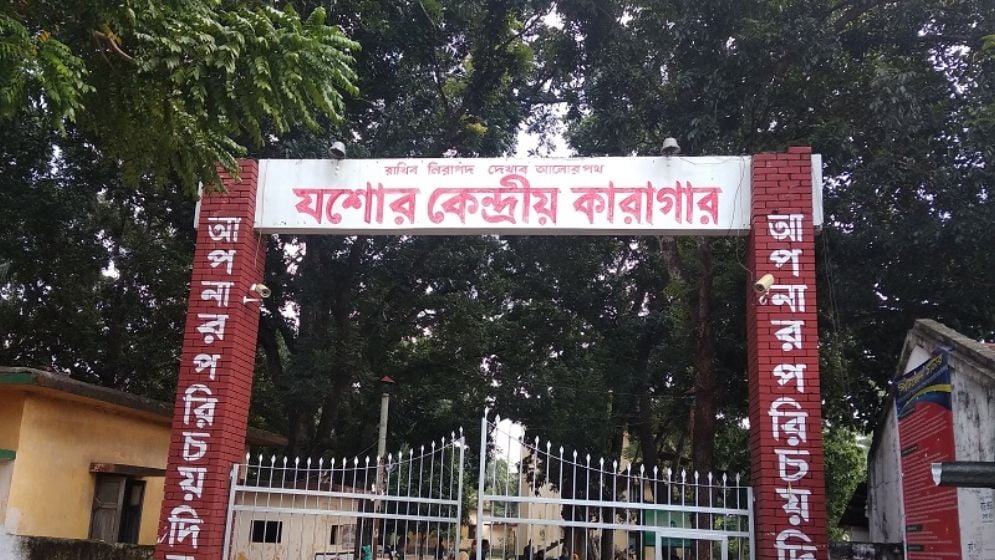
Forty-three Indian citizens still cannot return home from Jashore Central Jail even after completing their sentences. According to the prison authorities, a total of 52 Indian citizens are held in the jail, and 43 of them have completed their terms.
Some had sentences of only 15 days to two years, but because repatriation has not happened, they have had to stay in prison for 8 to 15 years. Seven of the prisoners are women, and 24 are over 50 years old.
Bachul Majhi, from Kakrara village under Majorganj Police Station in Chitamari district of India's Uttar Pradesh, was arrested on February 22, 2013 for entering illegally through the Ramgarh border in Khagrachhari. The next day a court sentenced him to six months of simple imprisonment.
After his sentence ended, Bachul was transferred to Jashore Central Jail on November 20, 2018 as part of the process of sending him back home. He remained held there for a long time afterwards.
While in prison, Bachul developed schizophrenia and other complex illnesses. When chest pain began on October 9, he was taken to Jashore General Hospital, where doctors declared him dead.
The body of another Indian, Gazi Mondal, lies in the same hospital morgue. Gazi, from Nadia district of West Bengal, was a prisoner serving life imprisonment with rigorous labour in an arms case; he died on October 19.
Hospital superintendent Husain Shafayat said the hospital morgue has four chambers for keeping bodies, one of which has long been out of order, and two hold the bodies of Indian prisoners. As a result, keeping other bodies has become a problem, he said.
Many of these prisoners are suffering physical and mental problems from being held for so long. Lawyers and human rights activists say keeping people in prison after their sentences have ended is a violation of human rights.
Senior Jashore lawyer Aminur Rahman Hiru said it is sad that a large number of Indian citizens remain in prison year after year after completing their sentences; the governments of both countries should come forward to deliver them to their relatives.
Syed Saberul Haque Sabu, public prosecutor of the Jashore District and Sessions Judge's Court, said 45 people's sentences have ended but they have not been released because of complications in prisoner handover. The problem can be solved quickly through discussions at the foreign ministry level of the two countries, and release after completing a sentence is their human right, he said.
Charal Devi (48), from Bihar in India, was arrested in Shariatpur on January 12, 2024; a court sentenced her to eight months in prison. Her sentence ended on September 2 that year, but she has not been released. The prison authorities say Charal Devi cries for most of the day.
Gobinda Bihari (47) received a one-year prison sentence in 2011 for entering Bangladesh illegally. Even after his sentence ended, he has been waiting to return home for about 14 years.
Binoy Krishna Mallik, executive director of the human rights organisation Rights Jashore, said that however complex the legal and diplomatic process may be, such cases need to be settled quickly on humanitarian grounds. The right of the bodies lying in the morgue to a dignified funeral after death is also related to international human rights principles, he said.
Jashore Deputy Commissioner Mohammad Asheq Hasan said most of the prisoners have received repatriation approval from the Security Services Division of the Home Ministry, but they cannot be sent back because approval from the Indian authorities has not been received. The Indian High Commission has been contacted; if there is no response from there, an alternative of sending them back through the court is also being considered, he said.