US health department will let small pharmacies make six peptides, as doctors warn safety is not established
The US Department of Health and Human Services said on Wednesday it will temporarily allow small compounding pharmacies to make six peptides available by prescription. The peptides have not been approved by the Food and Drug Administration.
The six peptides are BPC-157, TB-500, epitalon, MOTS-c, KPV and semax. The substances have been promoted online for anything from tissue repair to better skin. Some also promote longevity, though scientific evidence on these claims remains unclear.
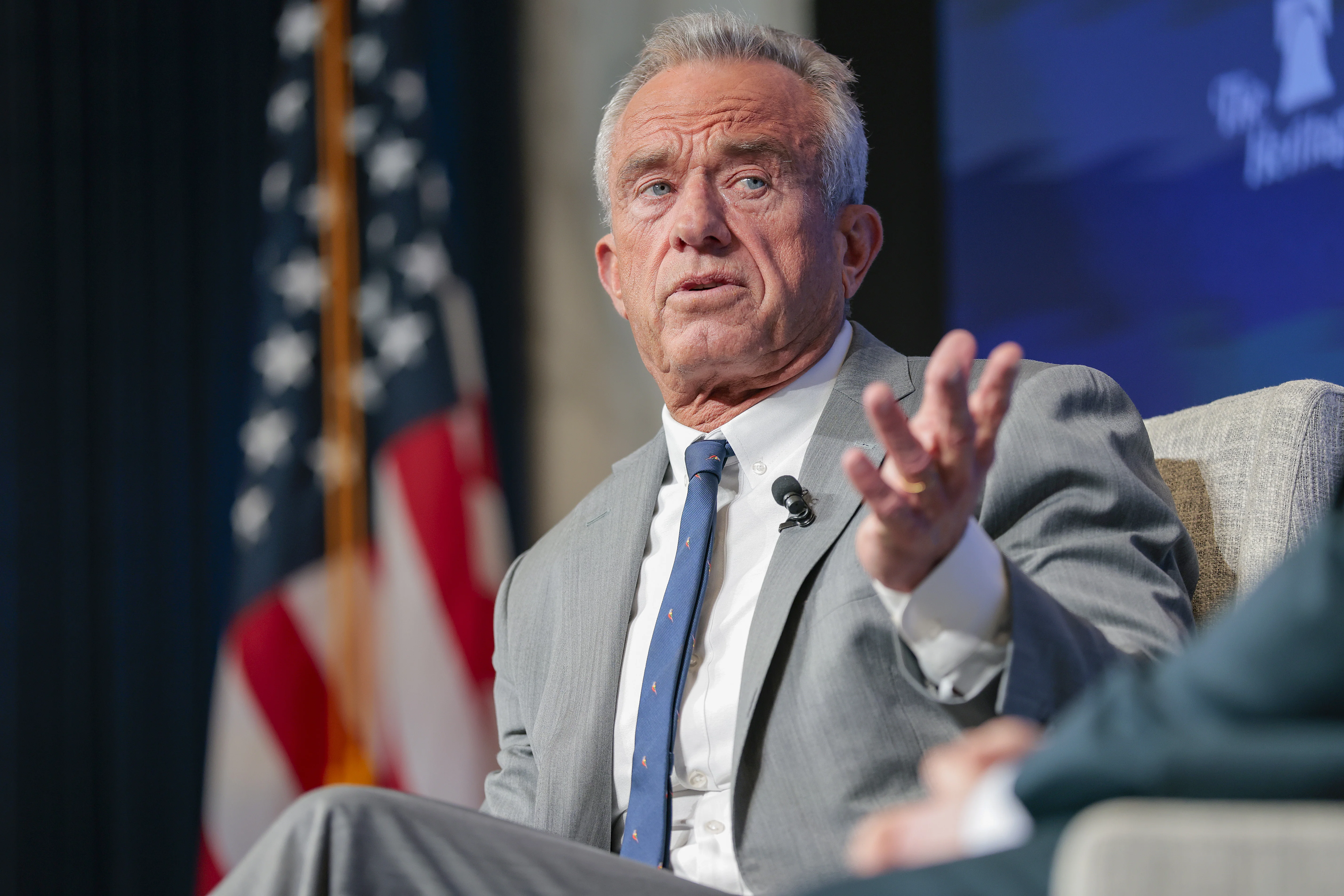
HHS said in its new policy it will exercise enforcement discretion for the half dozen peptides, essentially looking the other way when they are made by small compounding pharmacies. Health Secretary Robert F. Kennedy Jr. has been a vocal supporter of peptides, saying he has used some of them himself.
In a statement the agency said: 'Under President Trump's leadership, HHS is working to put prevention and patient safety at the center of health care—and that includes confronting the risks of black-market peptides.' It added: 'The policy does not grant FDA approval or establish clinical safety and effectiveness. It requires patient-specific prescriptions, traceable ingredients, quality testing, and safety reporting to hold compounders accountable and give patients an alternative to unregulated sellers.'
In July, an independent FDA panel voted to recommend six peptides to the 503A bulks list, which are ingredients that compounding pharmacies can use for specialized or individualized prescriptions. However, at the same meeting the FDA's own scientists recommended against unwinding the existing restrictions on them.
Peptides are strings of amino acids, shorter than proteins, that can exert powerful effects in the body. The material notes there are no published clinical trials that provide evidence that these specific peptides are effective in humans for any condition.
Joshua Fritzler, the president of Olympia and Wesley Pharmaceuticals in central Florida, says people have been asking about these peptides for years, but because they were illegal to compound, his company did not make them. The new policy does not change their legal status, but it creates a path for small compounders, called 503A compounding pharmacies; it does not apply to larger 503B outsourcing facilities producing higher volumes.
Fritzler says only his company's smaller compounding facility will be able to make the peptides—and only in small quantities. 'We won't be able to meet demand,' he says, explaining that Olympia will likely only compound one of the six peptides and needs to get its facility ready first.
Scott Brunner, chief executive of the Alliance for Pharmacy Compounding, wrote in a statement that his group is pleased with the decision because it offers a 'more accountable alternative' for patients seeking gray market peptides. He said: 'It also brings patients into a system where pharmacy standards, regulatory oversight, and serious adverse event reporting apply.' Brunner warned, however, that it may take some time for pharmacies to begin dispensing, because ingredient suppliers and pharmacies need to verify the policy's requirements.
Several consumer advocacy groups say the policy puts patients at risk. Dr Robert Steinbrook, Health Research Group Director at the nonprofit Public Citizen, wrote in a statement that Kennedy seems to have acted unilaterally rather than through the typical rulemaking process. 'By allowing unproven and potentially unsafe peptides to be manufactured, marketed and prescribed without concern about potential federal enforcement actions, Kennedy has undermined the FDA and threatened public health,' he wrote, advising clinicians to tell patients about the risk of contamination and other adverse effects.
Shabbir Safdar, executive director of the Partnership for Safe Medicines, wrote: 'Today's decision leaves Americans in a grey area as to whether peptides are safe or not, even though the FDA's own scientists recommended against voting in favor of these substances due to concerns with evidence.' The partnership filed a citizen petition last week urging the FDA to ignore its advisory committee's July recommendation.
The material also notes that in 2023 the FDA classified 19 peptides as unsafe to be compounded. HHS Secretary Robert F. Kennedy Jr. has previously claimed that action was illegal.