Hidden Danger in the Cockpit: Three in Four Pilots Report 'Microsleep' Episodes
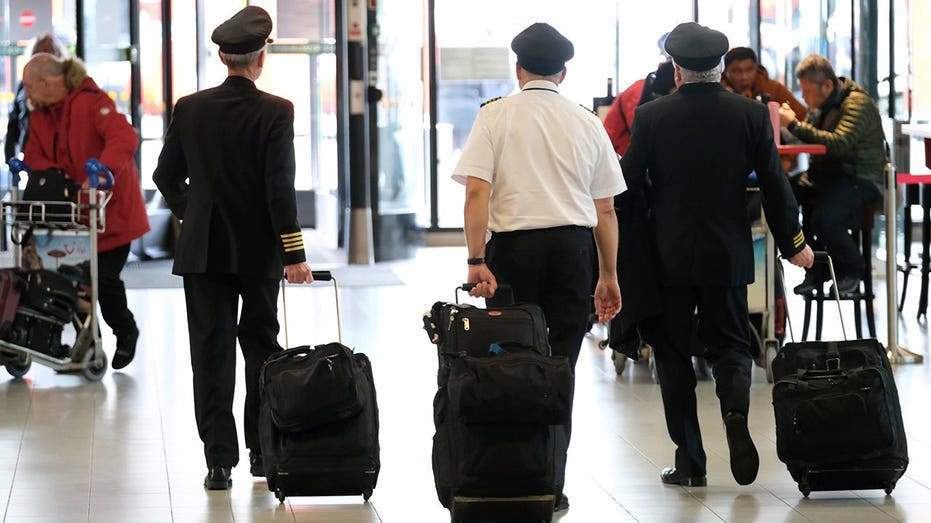
A hidden problem is surfacing regarding pilots falling briefly asleep while operating aircraft. More than three in four pilots reported having at least one microsleep while operating an aircraft in recent weeks, according to a major survey.
The report by aviation consultancy Baines Simmons was based on responses from 7,200 pilots across 32 European countries.
The findings were published by the European Cockpit Association (ECA), which represents over 44,000 pilots across Europe, according to a press release.
The concerns extend beyond brief episodes of sleep in the cockpit. Nearly 39 percent of pilots said they usually or always did not get enough rest to keep fatigue from building up, according to the report.
The findings also raised questions about whether pilots feel comfortable reporting when they are too tired to fly. Only 37.2 percent said they typically report when they are too fatigued to fly, while 24.2 percent said they do not report it and fly anyway, according to the findings.
Capt. Coen George, an ECA board director, said in the press release that when pilots fear career consequences, fatigue goes unreported, and the risk returns to the cockpit. He warned that the reluctance to speak up could leave airlines unaware of how widespread fatigue is among their crews.
In the United States, the Federal Aviation Administration implemented stricter pilot rest and duty requirements in 2012 to address fatigue and improve safety, the agency said in a statement to Fox News Digital.
Under the rules, pilots must receive at least 10 consecutive hours of rest before a flight duty period, including an opportunity for eight uninterrupted hours of sleep. Pilots who feel fatigued or unfit to fly must report it and be removed from duty by the airline, according to the FAA.
Matthew 'Whiz' Buckley, a former U.S. Navy F/A-18 Hornet fighter pilot who later flew for American Airlines and FedEx, previously told Fox News Digital that having scheduled time off does not necessarily mean a pilot gets enough sleep. He said it is just unnatural to sleep during off-hours.
Buckley said pilots may arrive at a hotel early in the morning and then have to sleep during the day, while long-haul flights can further disrupt normal sleep patterns. He said where it really takes a toll on the body for pilots is east-west, because when crossing multiple time zones the body can really get messed up.
Bobby Laurie, a Pennsylvania-based travel expert and former flight attendant, told Fox News Digital that having nearly 77 percent of respondents say they reported micro-sleeping or dozing off while at work is definitely an alarming number, and the industry does need to take note of this. But he said it is not necessarily a warning sign that the flight a passenger has been on had a pilot or both pilots asleep.
Laurie said that if travelers find themselves at the airport and the departure board is saying a flight is delayed due to crew rest, they need to realize the delay is posted for safety reasons. He said passengers might not have gotten to their destination in one piece if those crew members did not get the rest they needed.