Warmer and Wetter Winter Forecast for US as Strong El Nino Takes Hold
This winter in the United States is expected to be warmer and wetter than average, forecasters say. The National Oceanic and Atmospheric Administration (NOAA) says a strong El Nino is altering weather patterns across the globe.
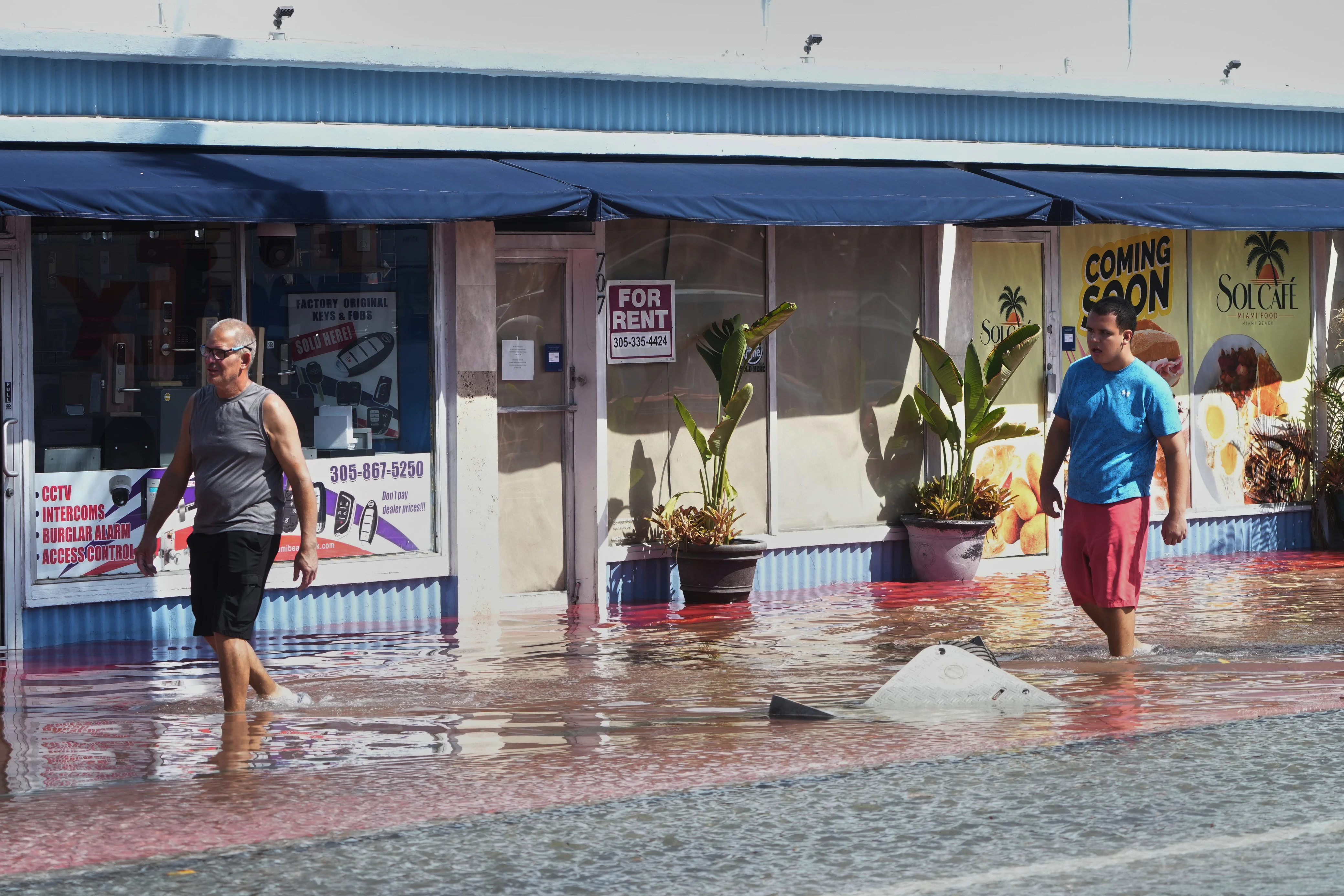
NOAA's latest forecast estimates warmer-than-average temperatures across much of the continental US, accompanied by above-average precipitation in several regions. El Nino years are also associated with coastal flooding on the Eastern seaboard and the West Coast.
"It's a strong, if not historic El Nino going into this winter," Ken Graham, director of NOAA's National Weather Service, said at an October media briefing. Forecasters caution, however, that these predictions are just predictions — El Nino can shift the odds toward certain conditions but does not ensure they will happen.
Graham said seasonal predictions help cities prepare for potential impacts and allocate resources. "Earlier and better decisions saves lives," he said.
El Nino is a natural climate pattern that starts in the tropical Pacific Ocean. Every few years, a vast area of water in the eastern Pacific warms near the equator and releases enormous amounts of heat into the atmosphere, shifting weather patterns around the world. Meteorologists say the planet could experience the strongest one on record this year.
Josh Willis, a climate scientist at NASA's Jet Propulsion Laboratory, uses the term "Godzilla" to describe both the size and impact of El Nino. He says it brings severe drought and major wildfires to Indonesia and Southeast Asia, while its other end kicks up hurricanes, storms and high tides.
During another strong El Nino event in 2015-16, catastrophic flooding hit South Carolina and a blizzard walloped the East Coast, the report noted.
Forecasters expect warmer temperatures in Northern California and above-average precipitation across the state, particularly in Southern California. There is also a chance of higher snowfall in parts of Nevada, the southern Rocky Mountains and California's San Bernardino Mountains.
In early October, a Kelvin wave arrived on the West Coast. The large band of warm water raised sea levels as it moved north along the coast, bringing an elevated risk of floods and warmer ocean temperatures. Dillon Amaya, an assistant professor at North Carolina State University, said Kelvin waves by themselves don't cause flooding, but they increase the likelihood of flooding.
The Pacific Northwest is also expected to experience warmer temperatures, but parts of the region are forecast to receive below-average precipitation. Without colder weather, the result will likely be a smaller snowpack — yet deep snowpacks hold water and help sustain streams, rivers and reservoirs.
The Southwest is already experiencing wetter-than-average conditions. Severe flooding in the Four Corners region, where New Mexico, Colorado, Arizona and Utah meet, caused water levels to rise and forced rooftop rescues and evacuations in late October. The area already had two months of unusually wet weather.
Daniel Swain, a climate scientist with the University of California, said El Nino is partly to blame for the recent floods. But he cautioned that wetter conditions do not mean an end to the water crisis in the Colorado River basin — Lake Powell and Lake Mead are at record low levels.
Forecasts show the Northeast and Mid-Atlantic could also have warmer temperatures and above-average precipitation. Studies suggest El Nino can strengthen nor'easters, which along with high tides can lead to coastal erosion. Graham said El Nino can favour a milder winter in the northern United States, but it does not erase the risk of snow. During the strong El Nino of 2016, a northeast blizzard produced over 30 inches of snow and 60 mph wind gusts.
The greatest chance of above-average precipitation is predicted for the southern US. NOAA meteorologist Jon Gottschalck said there may also be snow in areas that rarely see it, including northern Texas. Northern Florida, along with southern Georgia and South Carolina, has the highest chance across the continental US of above-normal precipitation this winter, forecasters say.