Targeted drug shrinks tumours in three out of four patients with advanced breast cancer in phase 3 trial
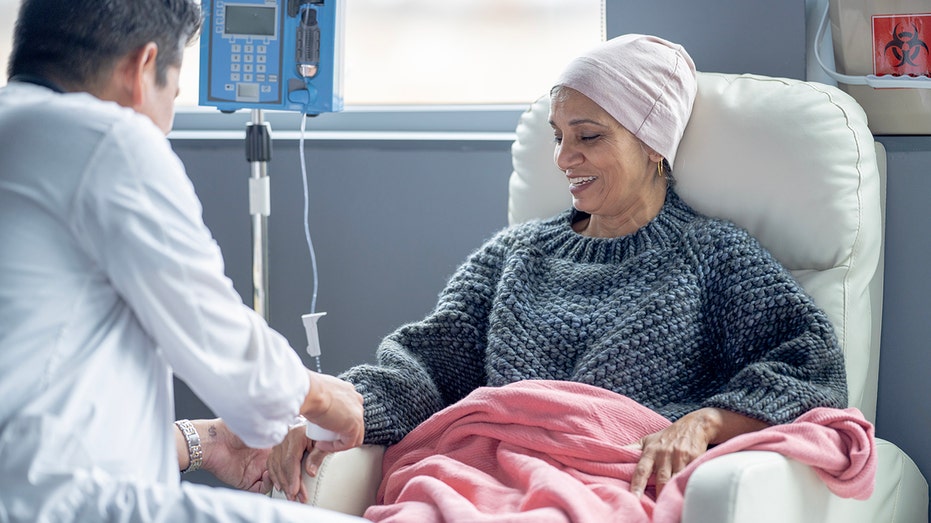
A large trial of a targeted drug for advanced breast cancer has produced encouraging results. Tumours shrank in more than three out of four patients who received the drug, trastuzumab rezetecan, according to the research.
The drug is being studied in patients with ERBB2-low metastatic breast cancer, whose tumours have low levels of HER2, a protein that can help cancer cells grow.
A phase 3 clinical trial called HORIZON-Breast06 sought to determine whether the drug works better than standard chemotherapy for patients with this type of cancer.
The researchers analysed 551 female patients across 73 hospitals in China, who were randomly assigned either to receive the drug intravenously every three weeks or to receive the physician's choice of chemotherapy. The study period ran from June 2023 to August 2025.
The drug significantly delayed cancer progression compared with chemotherapy. The median time without tumour growth was 16.4 months on the drug, compared with 6.8 months with chemotherapy.
Patients who received trastuzumab rezetecan were 73 percent less likely to have their cancer worsen or to die during the study than patients who received chemotherapy.
Tumours shrank in 75.5 percent of patients who received the drug, compared with 41.2 percent of those who received chemotherapy.
At the 12-month mark, 90.6 percent of the patients on the drug were alive, compared with 81.4 percent of the chemotherapy patients. The benefit appeared in both hormone receptor-positive and hormone receptor-negative breast cancer.
Side effects, however, were also clear in the study. Serious side effects occurred in more than 84 percent of patients who received the new drug, compared with nearly 68 percent of those who received chemotherapy. The side effects included anaemia and other blood-related problems. The researchers acknowledged that toxicity occurred more frequently and often required dose modification, although they said these effects were generally manageable. The drug may cause fewer serious lung problems than similar treatments, according to the report.
Loren Rourke, a Texas-based breast surgical oncologist who was not involved in the study, called the results 'incredibly encouraging'. For women living with advanced breast cancer, she said, those extra months matter, because they represent more time when the cancer is being held in check. At the same time, she stressed the importance of considering the side effects, because more time without cancer progression does not automatically mean a better quality of life.
More research is needed, according to Rourke. The treatment delayed cancer progression, but it is not yet known whether it will help patients live longer—an important distinction, she said.