Greying and Thinning Hair in Your Twenties and Thirties Is Not Only About Genes, Lifestyle Plays a Part Too
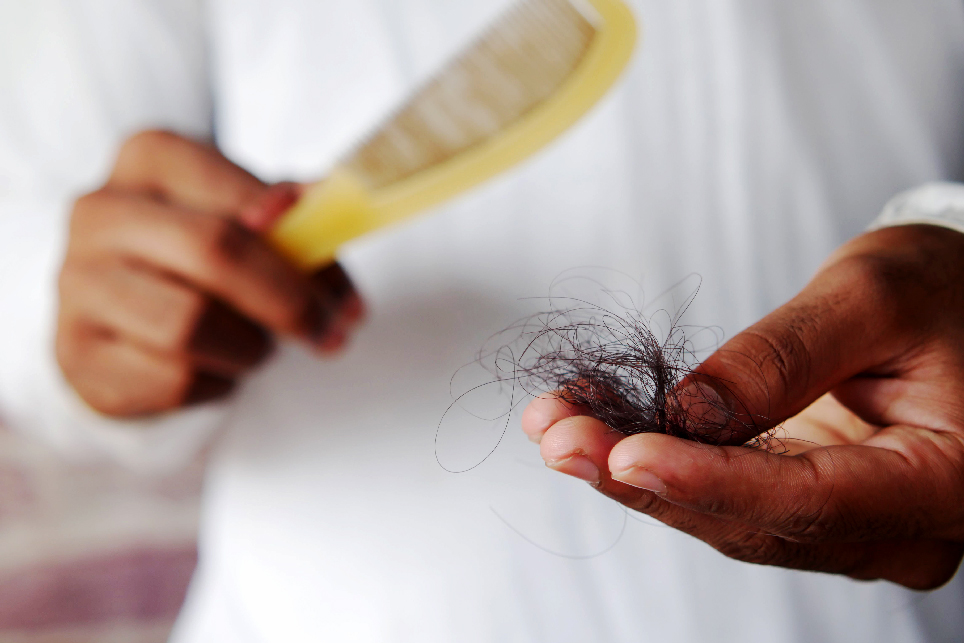
You are only in your twenties or thirties, yet the mirror already shows a few silver strands. While friends still have thick, black hair, premature greying or thinning on your own head is naturally a cause for worry. Amid a flood of home remedies and hair-care products, the question remains: how much of premature greying or hair loss is really down to genes and heredity?
Greying is a normal biological process. As age increases, the cells that produce melanin—the pigment that gives hair its black colour—in the hair follicles gradually become less active. But for greying in the twenties or thirties, hereditary or genetic traits act as the biggest catalyst. Six particular genes are usually involved in premature greying. They mainly influence the hair's hormone regulation, cell rebuilding, vitamin D signalling and iron management.
Among them, the AR and SRD5A2 genes increase the sensitivity of hair follicles to the hormone DHT. As a result, even at normal hormone levels the follicles shrink, and hair begins to grey quickly and to fall. The ESR1 gene receives estrogen hormone signals and gives hair a protective cover; when its effectiveness declines, hair growth stalls.
The MTHFR gene ensures the use of folic acid, or folate, in rebuilding hair cells. A deficiency disrupts the regeneration of hair cells. The VDR gene helps in absorbing vitamin D and keeps hair fresh. And the HFE gene maintains the body's iron balance, which is essential for hair health and oxygen flow.
However, just because someone in the family had premature greying does not mean it will happen to you at exactly the same age. Family history is a major factor, but blaming everything on genes would be a mistake. Many other bodily and lifestyle factors can be responsible for this untimely change in hair.
Nutritional deficiency is one of them. A lack of vitamin B12, vitamin D, iron or zinc in the body can make hair lose its colour quickly. Physical problems also play a role—thyroid trouble, autoimmune diseases such as alopecia areata, or a sudden major illness are among the main causes of hair loss. Mental stress increases oxidative stress in the hair follicles, which greys hair faster. Smoking constricts blood vessels and obstructs the flow of nutrients to the hair roots.
Hereditary hair thinning is known in medical terms as 'androgenetic alopecia' or pattern baldness. In men it creates baldness in a specific pattern—at the front or on the crown—while in women the hair across the whole head generally becomes thin.
Many people start taking various biotin or collagen supplements to solve a genetic problem, which often does not work. If the problem lies in the sensitivity of the genes, ordinary vitamins cannot fix it. If hair suddenly begins to fall or grey faster, one should consult a specialist dermatologist instead of self-treating.
Minoxidil or DHT blockers are quite effective for pattern hair loss. In extreme cases a hair transplant can be done, although it does not erase the hereditary tendency—it brings back lost hair. If there is a vitamin deficiency, taking the right supplement on a doctor's advice can slow the pace of greying. Quality dye or hair colour can also be used to cover hair temporarily.
Although greying or thinning caused by genes cannot be stopped completely, identifying the root cause at the right time and adopting a proper lifestyle and treatment plan can keep hair healthy and beautiful for longer.