Data Center Boom Is Transforming Small American Towns, With Rising Revenue and Teacher Bonuses
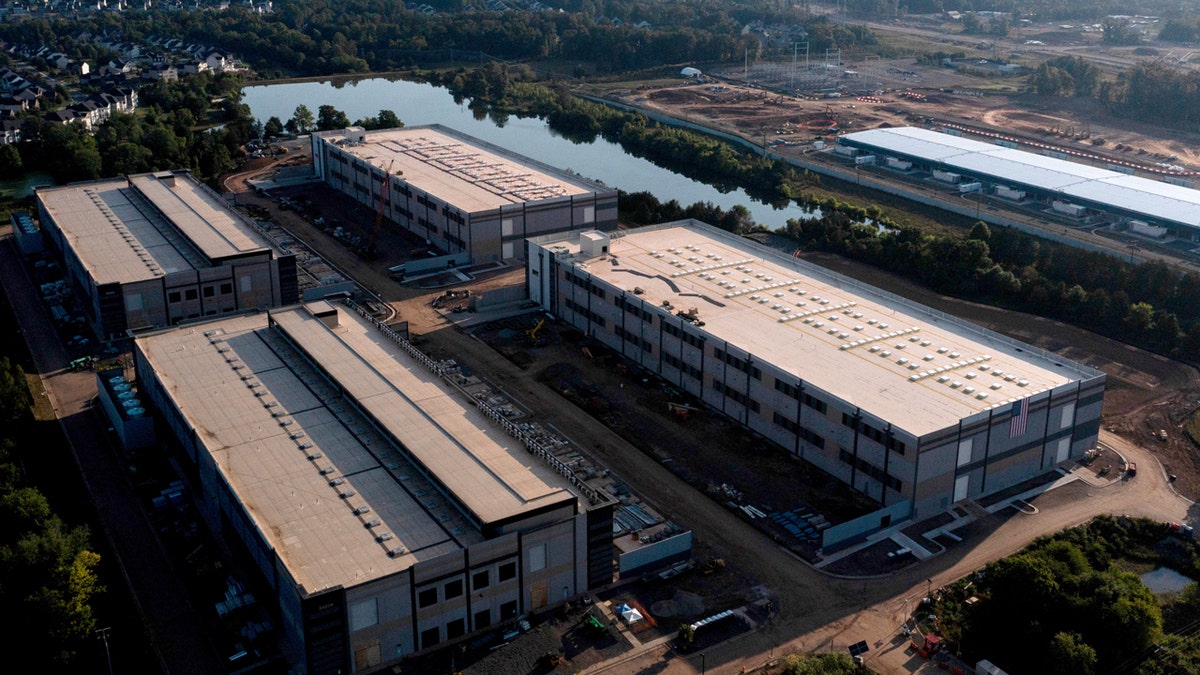
As demand for artificial intelligence grows in the United States, the number of data centers is rising rapidly, and with midterm elections approaching, the political debate over these facilities is intensifying. Some politicians are calling for construction moratoriums or outright bans, while residents in many areas are pointing to the benefits data centers have already delivered.
The example of Ellendale, North Dakota, keeps coming up in this debate. Before Applied Digital's new $11 billion data center development arrived, the town of 1,100 people collected roughly $400,000 a year in sales taxes. In the first seven months of 2026 alone, that figure jumped to $3.5 million.
That extra revenue is helping Ellendale repave its roads and renovate its senior center. A historic opera house in the town is also being restored.
In Richland Parish, Louisiana, Meta's massive investment has helped fund an increase in annual teacher bonuses ranging from $10,000 to $50,000. The school district is becoming an attractive destination for talented educators as a result.
In Loudoun County, Virginia, data centers generate 45 percent of county revenue. That enormous tax base has allowed local officials to cut homeowner property tax rates every year for a decade.
In neighbouring Henrico County, local leaders used data center revenue to fund a $60 million Affordable Housing Trust Fund, helping young families and first-time buyers purchase homes.
Concerns remain, however. Many people have questions about what this development means for electricity prices, water supplies and quality of life. Newer facilities are increasingly being designed with closed-loop cooling systems and quieter operations to address those concerns.
Data centers have existed for decades, but the rapid growth of artificial intelligence has dramatically increased demand for computing power, and that demand is now drawing major investment into small towns across America.