The US Economy as Midterm Elections Near: Inflation Squeezes Shoppers, Yet Growth Runs at 3.4 Percent
Ahead of the November 3 midterm elections, the federal government has released most of the major economic data left to be unveiled, meaning voters already have all of the official economic numbers before they head to the polls. Inflation is weighing on shoppers, but the economy continues to grow.
Other indicators, however, show that the economy ranks as a top concern among Americans, who are growing ever more frustrated with their increasing inability to make ends meet. The University of Michigan's monthly survey, the latest of which was released last week, shows consumer sentiment currently stands at the second-lowest level ever recorded in the survey's 74-year history.
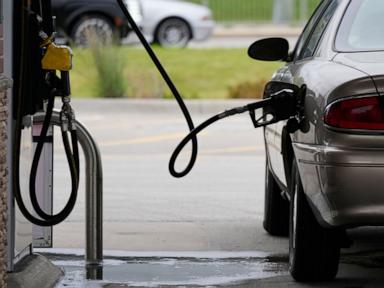
In the latest ABC News/Washington Post/Ipsos poll, half or more Americans described every household purchase category measured as 'unaffordable'. A 71 percent majority of respondents now call gasoline unaffordable, up from 28 percent who said the same in February, before the war in Iran drove up fuel costs.
The average price of a gallon of regular unleaded gas stood at 4.22 dollars on Thursday, 1.19 dollars more than this time a year ago, according to AAA, while a gallon of diesel averages 6.33 dollars, a 2.65 dollar per gallon increase compared to a year ago.
Still, employers are adding jobs, though hiring has slowed, and the economy is continuing to grow. Speaking at a rally in Corinth, Mississippi, on Monday, President Donald Trump said the US economy was experiencing 'unbelievable growth, the biggest growth in the history of our country'. Trump acknowledged the rise in oil prices, but he said the war with Iran had been worth it to prevent Iran from acquiring a nuclear weapon. 'I don't want to belittle it because it's a big thing but I thought the price of oil was going to go much, much higher and I was fully prepared to do it,' Trump said.
Prices rose at an annual rate of 3.7 percent in September, the most recent month on record, federal government data showed. Inflation runs more than a percentage point higher than the Federal Reserve's target rate of 2 percent. The pace of price increases is outpacing the average rise in wages, sapping spending power from workers' take-home pay. Wages began to trail inflation in April, exacerbating the budget crunch. Price hikes have also taken a toll on the outlook among consumers, and shoppers expect inflation to rise even more over the next year, the survey found.
The economy has continued to grow at a robust pace, shrugging off disruption from the Iran war and expanding at an annualized rate of 3.4 percent over the three months ending in September, according to a government report released on Thursday. That growth amounted to an acceleration from 2.2 percent and 2.5 percent annualized GDP growth in the previous two quarters respectively, US Commerce Department data showed. Economic growth so far this year stands roughly in line with the expansion recorded in 2025.
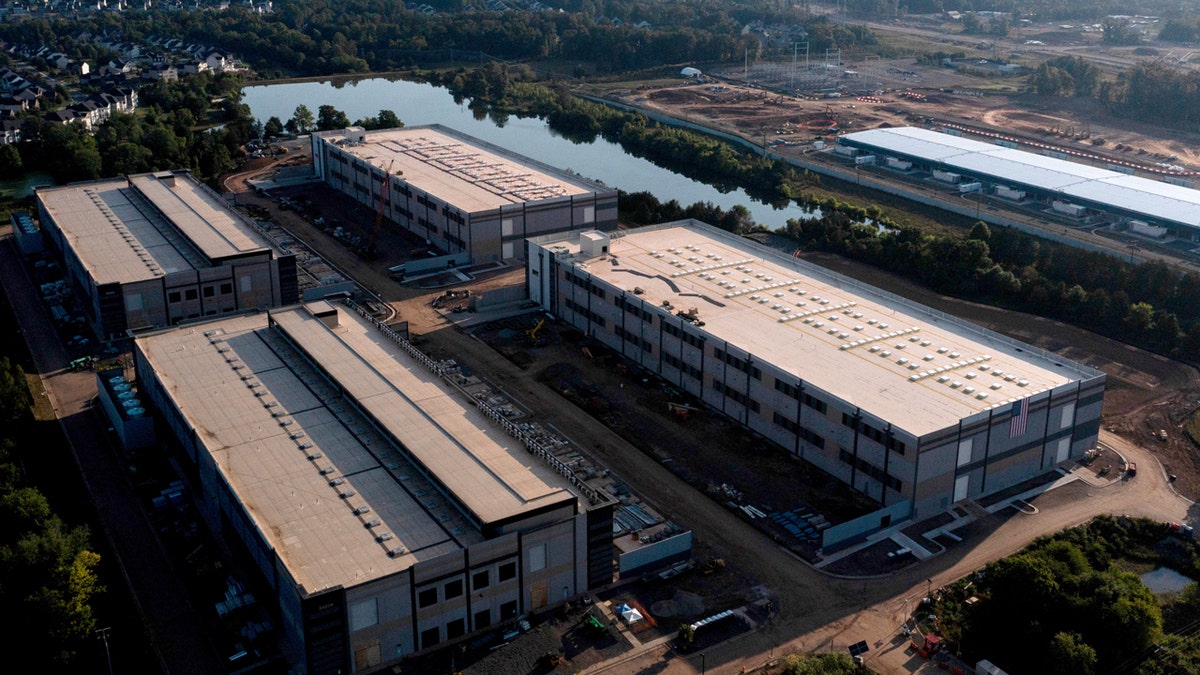
A surge in spending on artificial intelligence has helped boost the US economy in recent quarters. The AI sector contributed an average of 0.56 percentage points of GDP growth in each of the first two quarters, accounting for more than 20 percent of economic growth, according to a study published last month by J.P. Morgan Asset Management. Consumer spending, which accounts for about two-thirds of economic activity, has also proven resilient, surging 0.9 percent in August from July, marking the fastest monthly rise since March, federal government data showed.
The labor market is growing at a fairly robust clip, though performance from one month to the next has fluctuated dramatically. The US added an average of about 68,000 jobs per month over the first nine months of this year, according to an analysis by the Atlanta Federal Reserve. That pace marks an uptick from an average of 10,000 jobs added each month in 2025. Job gains have proven unstable, however: employers added only 29,000 jobs in September, the most recent month on record.