Dhaka shoppers squeezed by high prices: beans Tk 120 a kg, brinjal and kakrol Tk 100
Shoppers in markets across the capital Dhaka are under pressure from the high prices of daily essentials. Although early supplies of winter vegetables have begun arriving, most vegetables remain expensive, and there is no relief in the prices of fish, meat or chicken either. The picture emerged on Saturday (31 October) from visits to several markets in the capital.
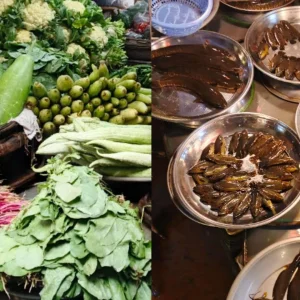
In the vegetable markets, cauliflower, ridge gourd, bottle gourd, taro and pointed gourd were selling at Tk 80 per kg. Brinjal and kakrol were priced at Tk 100 per kg. Early varieties of radish and okra were selling at Tk 80 to Tk 100, and beans at Tk 120 per kg.
Potatoes were selling at Tk 30 per kg and tomatoes at Tk 100 to Tk 120 per kg. Papaya was Tk 30 per kg and sweet pumpkin Tk 50. Each cauliflower and cabbage was selling at Tk 50 to Tk 60, and each bottle gourd at Tk 40 to Tk 60 depending on size. Green chillies were priced at Tk 120 to Tk 140 per kg, with some variation between markets and by quality.
High prices in the fish market are also hurting buyers. Tilapia was selling at Tk 220 to Tk 230 per kg and pangas at Tk 220 to Tk 250. Rui and katla were selling at Tk 280 to Tk 600 per kg depending on size and quality.
Prawns were priced at Tk 1,000 to Tk 1,200 per kg. Pabda was selling at Tk 350 to Tk 600 and tengra at Tk 800 per kg.
In the meat market, broiler chicken was selling at Tk 180 to Tk 190 per kg, cock and layer chicken at Tk 300 to Tk 330, and local chicken at around Tk 650. Beef was Tk 820 per kg and mutton Tk 1,200 per kg.
In the egg market, red eggs were selling at Tk 130 to Tk 140 per dozen and white eggs at Tk 120 to Tk 130. Duck eggs were Tk 180 to Tk 190 per dozen, again with differences between markets and shops.
Sellers say they have to keep retail prices high because they must buy at higher prices in the wholesale markets. For fish, prices depend on size, species and supply.
Vegetable seller Asadul said: 'Buyers think sellers raise prices to make more profit. But the reality is different — we also have to buy at higher prices. Even if the supply of some vegetables rises, the prices of all vegetables do not fall together. We want supplies in the market to stay normal, so that we can buy cheap and sell cheap to buyers too.'
Badhan Hasan, who came to shop at Raysaheb Bazar, said: 'We do not shop for luxury; we shop to put food on the family's table twice a day. But every day at the market we have to make the sums add up. If we buy fish, we have to take fewer vegetables; if we buy meat, something else has to be dropped. Our income is not rising, yet expenses rise every day. It is as if there is no one to see the suffering of ordinary people.'