Ruling BNP sets out its position on the long march: no obstruction, but disorder will be met politically
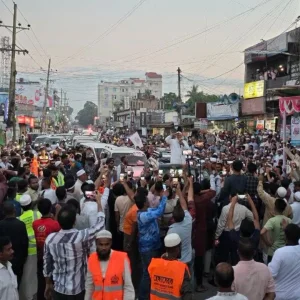
The Jamaat-led 11-party alliance is staging long marches from Dhaka towards divisional cities pressing seven demands, including implementation of the referendum verdict, trial of the July killings, and resolving the crises in electricity, oil, gas and fertiliser. The ruling side's position on the programme is now becoming clear.
The programme began on 5 September with a first march towards Dhaka-Chattogram. A second march headed to Rangpur on 19 September. The third and latest long march, towards Dhaka-Khulna-Kushtia, took place on Saturday (31 October).
The 11-party alliance has the same programme planned for the Barishal, Rajshahi, Sylhet and Mymensingh divisions.
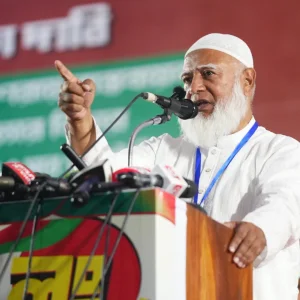
At the inaugural rally at the south gate of Baitul Mukarram National Mosque in the capital on Saturday, Jamaat Ameer and opposition leader Dr Shafiqur Rahman said the nation must be ready for another revolution to resist the BNP's betrayal of the nation and its mockery of the referendum verdict.
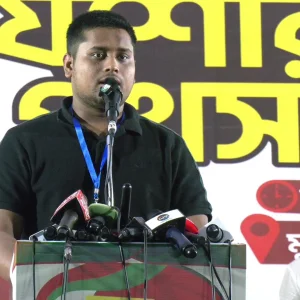
A day earlier, on Friday (30 October) afternoon at Shahbagh in the capital, National Citizen Party (NCP) convener and opposition chief whip Nahid Islam said the people of the July uprising must unite again and take to the streets together against the Mujibist fascist forces and what he called the corrupt mafia government.
The ruling side has said it views the opposition's democratic movement as normal. However, it says it will not sit idle if, in the name of movement, anyone joins hands with the fallen fascist forces to destabilise the country; the situation will be dealt with administratively and politically.
Several BNP leaders have said they have always believed in democratic conduct, and that the opposition is therefore being given administrative cooperation for peaceful programmes. In the past, they noted, the then Awami League obstructed movements by the BNP and other opposition parties in various ways.
BNP vice chairman Shamsuzzaman Dudu said the opposition is carrying out its movement freely and that neither the party nor the administration has obstructed it so far, because they are tolerant of dissent. But if the opposition creates suffering through pointless movement to put the government in difficulty, ordinary people themselves will resist it, he said.
Dudu warned that if they join hands with the fallen fascists, they themselves will be harmed. He said the BNP will not obstruct anyone's work, but anyone attempting to create disorder will be confronted politically, and that fulfilling the election manifesto is the BNP's main goal for now.
A different account came from the opposition camp. Jamaat assistant secretary general Dr Hamidur Rahman Azad said the opposition is still on the right path and is offering constructive criticism of the government, while the government is pursuing a go-it-alone policy and has broken the people's trust by not implementing the July Charter and the referendum verdict. He said no harsh movement has been called yet because they do not want to destabilise the country, but if partisanship and corruption continue, a timely decision will be taken and they will take to the field with the strength of the people.
NCP joint convener Sarwar Tushar said that if the opposition does not protest on the streets, the government may go off track. He said the current government has failed to meet the people's expectations, so the opposition can make political statements from its position, and if the government does not correct itself, an explosion could eventually occur.
Meanwhile, Communist Party of Bangladesh (CPB) general secretary Abdullah Al Kafi (Ratan) described the opposition's statements as empty rhetoric, saying the opposition has been demonstrating failure and is becoming increasingly isolated from the people.
A senior journalist, speaking on condition of anonymity, said there is considerable doubt about how strong the opposition considers itself, since it is failing to play its proper role on many important issues, and that it should be examined whether its harsh statements rely on some other force.