Both teams off the court for the anthem in all seven WNBA Finals games, with no explanation after two weeks of questions
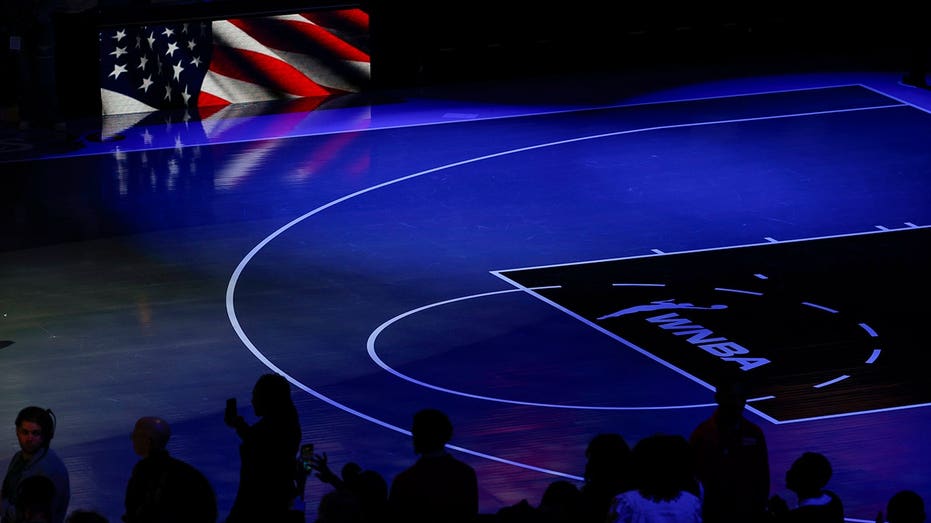
Before Game 7 of the WNBA Finals at Chase Center in San Francisco on Saturday night, the players of the Atlanta Dream and the Golden State Valkyries were again off the court during the national anthem. In every one of the seven games in the series, players from both teams left the floor before the anthem and returned seconds after it ended.
Saturday's anthem was performed by San Francisco's Glide Ensemble. The choir's website describes its music as steeped in protest and visions of a more just and loving world, and says it spreads a message of diversity, acceptance and love.
The game was the first Game 7 in the league's history. It was needed after Atlanta won 80-69 on Thursday to level the series at 3-3. Saturday's winner will claim its franchise's first WNBA championship.
Two weeks of questions about why the players leave the court have gone unanswered. The question was first asked after Game 1 on 17 October, with follow-ups on 18 and 20 October, but the WNBA, the NBA and both teams' front offices have not replied. Players and coaches have pointed only to their pregame routines.
The performers and venues changed during the series, but the two teams' absence did not. Alanis Morissette sang before Game 2 at Chase Center. On Thursday in Atlanta, 10-year-old Heiress Harris, the daughter of rapper T.I., performed before Game 6. Both teams were off the floor for those performances as well.
At media availability in Atlanta on 23 October, Golden State coach Natalie Nakase said, 'We're two years in. That's been part of our pregame.' Asked who established the routine and why, she said, 'I really don't know.' Asked what she does during those 90 seconds off the court, Nakase said she is with her staff and focused on her plays. The team's public relations staff then moved to the next reporter.
Valkyries forward Gabby Williams denied that Golden State's absence was a protest. Asked why the team was off the court, she said, 'That's been the routine for like, seven years now.' Golden State is in its second season; Williams previously played for Chicago and Seattle, but did not explain whether each team followed the same routine. A team public relations representative then said, 'Next question.'
Atlanta coach Karl Smesko offered less detail. Asked why his team left the court and whose decision it was, he said, 'We're just kind of focused on the Finals.' Asked whether he had any further comment about the anthem and his team's absences, he said, 'No.'
Dream guard Rhyne Howard was asked about calls to exclude players from Team USA over their anthem conduct. She said she did not think she had been on the floor for the national anthem at any point in her tenure in Atlanta, and if people wanted to nitpick that, so be it. But she said that when she puts on a USA jersey she is out for the national anthem every time, with no doubt about it, and that she loves the country she plays for. When asked why she was not on the court for the anthem with the Dream, Howard and an Atlanta public relations representative both responded, 'Next question.'
Fans were divided. Outside State Farm Arena before Game 6, Renard Hayes, the father of Golden State guard Tiffany Hayes, pointed to his own military service while defending the players' choice: 'This is America, by the way, and I've served this country, so they can choose what they want. I don't have an issue with it because it's not a disrespect of the flag.' A Valkyries fan said he respected the players' opinions and beliefs but wanted them on the court. Another Dream fan defended the practice, saying they had been doing it for years and it was their choice.
The WNBA's 2026 official rulebook says players, coaches and trainers are to stand and line up in a dignified posture along the sidelines or on the foul line during the national anthem. The Associated Press reported on 20 October, however, that the league suspended its anthem protocols in 2017, while the provision remains in the 2026 rulebook. Questions to the league about its current requirements and enforcement, whether discipline was planned, and whether it had communicated instructions to either team have not been answered.