29 Public Holidays in 2027 as Cabinet Approves Holiday List
The cabinet has approved the list of public holidays for 2027. Next year there will be 29 public holidays in total, combining general holidays and holidays by executive order. Seven of those days fall on weekly holidays (Friday and Saturday), so excluding them, the effective number of public holidays will be 22 days.
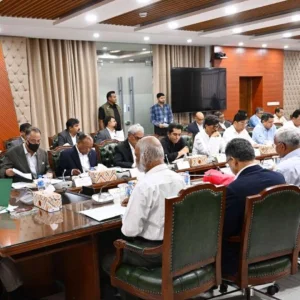
The decisions were taken on Monday (2 November) at the cabinet's 26th meeting, held at the Secretariat. After the meeting, Cabinet Secretary Nasimul Gani presented the decisions at a briefing for journalists in the conference room of the Department of Information. The same meeting also gave final approval to drafts of a special solar power installation law and an amendment to the public procurement law.
The cabinet secretary said the approved list for 2027 includes 15 days of general holidays for national days and various religious festivals. Four of those days coincide with weekly holidays, meaning two Fridays and two Saturdays fall within the general holidays.
In addition, there will be a further 14 days of public holidays by executive order for Bangla New Year and various important religious festivals. Three of those days are weekly holidays, meaning one Friday and two Saturdays coincide with the executive-order holidays.
Under the approved list, employees of the republic can take up to three days of optional leave a year for various religious festivals. Government employees from small ethnic groups working in the Chattogram Hill Tracts and other parts of the country will also get two days of optional leave to celebrate their main social festival, Baisabi or a similar festival.
At the same meeting, the cabinet gave final approval to the draft of the 'Special Solar Power Installation Act, 2026'. The 'Special Solar Power Ordinance, 2026' had earlier been promulgated to expand special solar power installation activities quickly. Under Article 93 of the Constitution, a promulgated ordinance must be turned into law through the Jatiya Sangsad. The draft, prepared at the initiative of the Power Division, was placed before the cabinet for that purpose and given final approval subject to vetting by the Legislative and Parliamentary Affairs Division.
The meeting also gave policy and final approval to the draft of the 'Public Procurement (Second Amendment) Act, 2026'. The amendment is being brought to ensure transparency, accountability, equal treatment and free competition in government procurement. It includes provisions to protect the interests of domestic industry and special arrangements for new and small entrepreneurs, women and disadvantaged bidders.
The amendment also covers modernising the open tender method, wider use of the limited tender method, clarifying provisions on professional misconduct, and making provision for alternative procurement arrangements in state emergencies.
At the briefing, the cabinet secretary said the main public procurement law had previously been amended six times. Most recently, the 'Public Procurement (Amendment) Ordinance, 2026' was promulgated on 21 September. The new draft was prepared to convert that ordinance into law. The draft was published on the websites of the Bangladesh Public Procurement Authority (BPPA) and the Implementation Monitoring and Evaluation Division (IMED) to seek public opinion. The cabinet gave it final approval subject to vetting by the Legislative and Parliamentary Affairs Division.