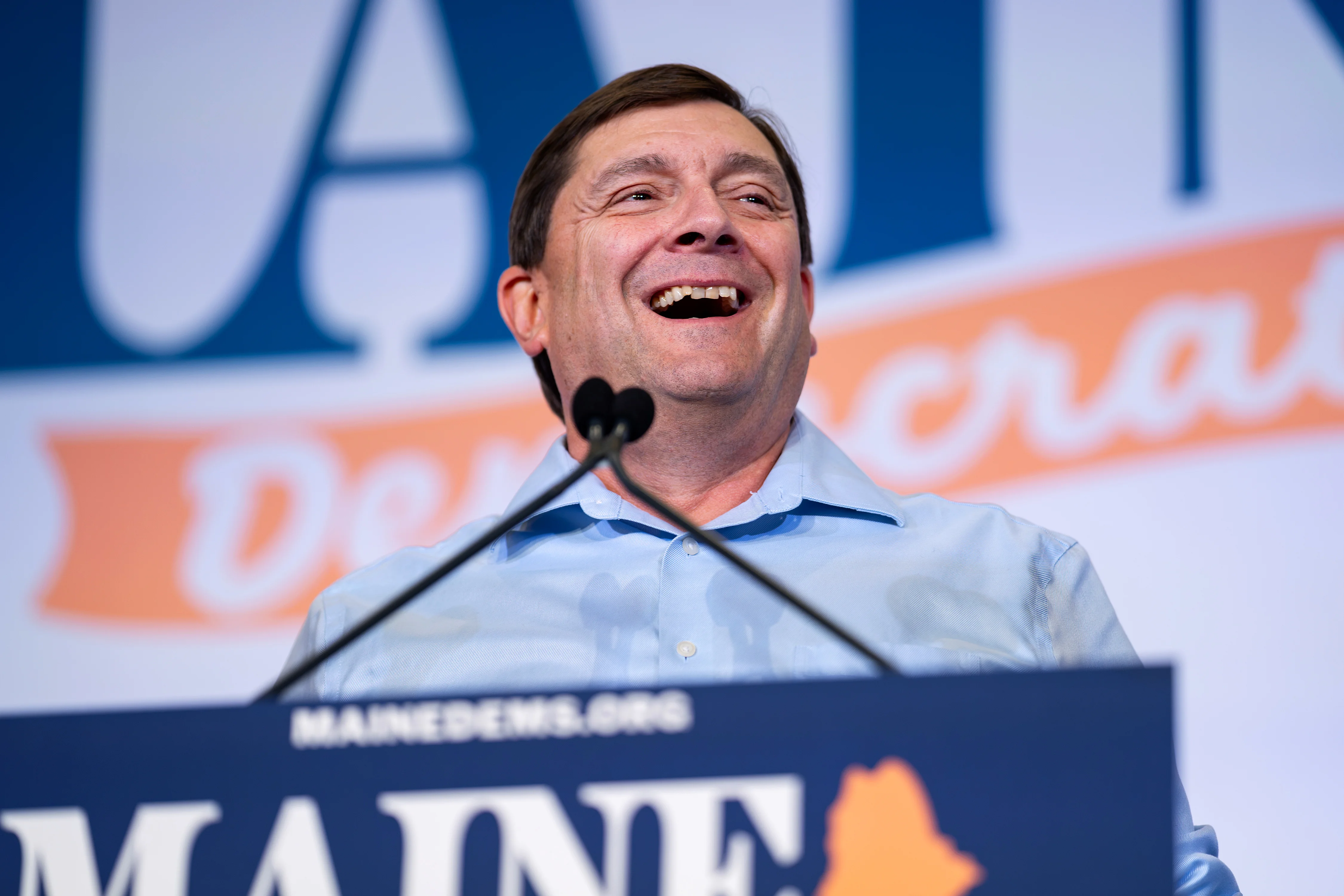
Democrat Sherrod Brown Wins Back Ohio Senate Seat, Defeating Republican Incumbent Jon Husted

Democrat Sherrod Brown has won election to the US Senate in Ohio, as voters rejected the incumbent Republican Jon Husted in a significant defeat for Republicans.
Brown was ousted in 2024 from the seat he had held for 18 years by a Republican challenger. His bid to return to that same seat two years later became one of the marquee contests of this year's midterm elections, and a key test of whether Democrats can regain support among the working-class and rural voters who have deserted them in recent years.
Brown's victory brings the Democrats closer to regaining control of the Senate. To regain a majority in Congress's upper chamber, Democrats need to win the seats they currently hold in Georgia, New Hampshire and Minnesota, and win at least four other seats.
The contest in Ohio was unique, because Husted and Brown were standing off in a special election to determine who would serve the final two years of the term JD Vance won in 2022. Ohio's Republican governor appointed Husted, then the state's lieutenant governor, to the Senate in 2025 after Vance became vice-president, and Brown will have to decide whether to seek re-election when the term ends after 2028.
In the two years he spent in the Senate, Husted adhered closely to Trump's policies, rarely breaking with him even as the president's approval ratings cratered amid voter dissatisfaction with the war with Iran, rising prices and Trump's aggressive immigration policies.
Brown made lowering the cost of living for the working class a cornerstone of his campaign, and railed against Trump's war with Iran, the administration's tariff regime and the construction of datacenters.
Data centers have been particularly contentious in races across the country, with many Democrats alleging that their Republican foes are in the pocket of an industry that has seen significant growth amid the development of artificial intelligence but has driven up consumers' utility bills and harmed their communities.
Husted welcomed the new developments while serving as Ohio lieutenant governor, leading Brown to call him 'the face of datacenters' on the campaign trail.
Weeks before the election, Husted sought Senate passage of the Ratepayer Protection Act, which would have required utilities to consider rules to make datacenters pick up costs related to their impact on the electric grid. Though the measure had passed the House of Representatives with near-unanimous support, Senate Democrats blocked it.