
Fifty-three endangered giant burrowing frogs rescued from Australia's black summer ashes return to the wild
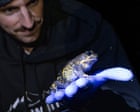
After Australia's 2019-20 black summer bushfires, scientists in eastern Victoria stumbled across something they had been after for years: puddles of tadpoles from the southern giant burrowing frog, one of the state's most elusive amphibians.
The frog is considered critically endangered in Victoria. The fires tore through extensive areas of East Gippsland, sparking concerns for the species' survival.
About 160 tadpoles were collected and transported to Melbourne Zoo, where they were raised through to metamorphosis into frogs and successfully bred in captivity for the first time last year.
In a homecoming more than half a decade in the making, 53 of the original tadpoles — now male frogs about five years old — have been returned to their native habitat in a remote area of the state's east.
The frogs grow to roughly the size of a cricket ball in adulthood and are believed to have long lifespans. Matt Clancy, a herpetologist at Snowline Ecology and an expert in the species, said that like other large frog species such as green tree frogs, giant burrowing frogs "could quite easily get over 20 years old".
Despite their size, they are hard to find. Clancy said they spend a lot of time buried underground in sandy soils and forested environments, hunkering down and not moving at all until the next rains come.
The frogs surface to breed in ephemeral creeks and ponds only when conditions are right. Tadpoles can take from three months to two years to metamorphose, usually emerging as juvenile frogs in spring or summer, Clancy said.
The 53 frogs were released immediately after big thunderstorms over the past several weeks, at sites that had received 80 to 100mm of rain, he said.
Some of the released adults were not suitable for the captive breeding program run by Zoos Victoria. Ryan Moes, a specialist amphibian keeper at Zoos Victoria, said the team had conducted genetic testing on all the tadpoles originally collected; to avoid siblings breeding together, the best course was to raise those frogs and release them back into the wild once they were healthy.
Each frog was tagged before release, and song meters have been installed at the release sites to detect the frogs' calls. Moes said the breeding program, which may involve future tadpole collections, ultimately aims to ensure the wild populations stay healthy and robust, and that the frog does not go extinct.
Giant burrowing frogs were split into two distinct subspecies — northern and southern — in 2021. Populations have been severely affected by habitat destruction and extreme climate events. More frequent and severe bushfires and droughts due to climate change, as well as less rainfall, remain existential threats, Moes said. There are only five known breeding sites of the southern giant burrowing frog in Victoria.


