Selling fuel at subsidised prices: BPC loses Tk 27,669 crore in eight months, energy minister tells parliament
The government is selling fuel oil with a subsidy to keep prices within people's purchasing power. As a result, from March to 25 October this year, the Bangladesh Petroleum Corporation (BPC) incurred a loss of Tk 27,669 crore 79 lakh.
Even while selling fuel oil in the country at prices lower than the international market, the corporation has kept import operations running for eight months with its own funds.
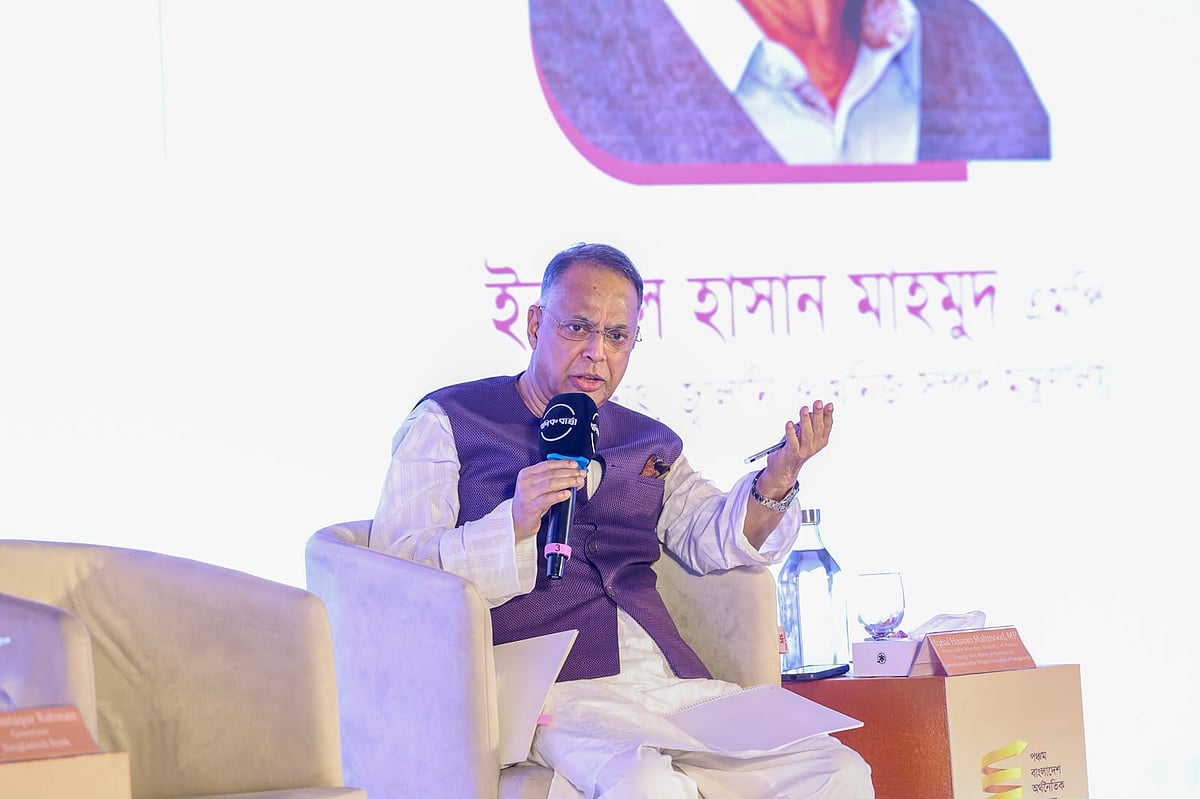
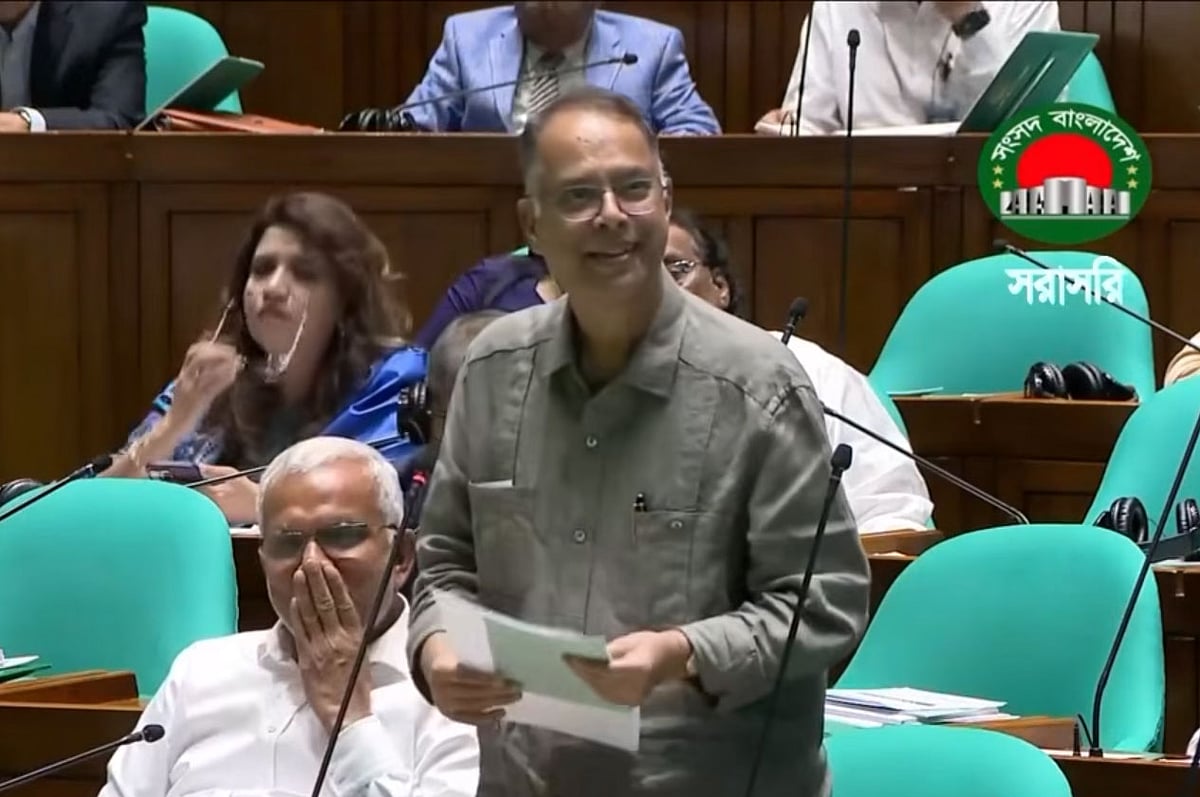
Energy and Mineral Resources Minister Iqbal Hasan Mahmud gave this information in the Jatiya Sangsad in reply to a question from Jamaat-e-Islami MP Syed Zainul Abedin. He said if fuel oil prices fall further in the international market, consumer prices in the country will also be reset in line with the automatic pricing guideline.
On Thursday, answering questions from various MPs in the Jatiya Sangsad, the minister laid out the fuel and power sector crisis, subsidies, imports, new infrastructure construction and plans for extracting domestic mineral resources.
In reply to separate questions from BNP MP Jahandar Ali Mia and Jamaat MP Amir Hamza, the energy minister said state-owned BPC has started a process to import LPG from abroad through direct government-to-government (G2G) contracts to control the market and reduce the gas crisis. Memorandums of understanding have been signed with the United States and Algeria for quick LPG imports. The imported LPG will be unloaded using the jetty of Coal Power Generation Company Bangladesh Limited at Matarbari in Maheshkhali.
The minister said an initiative has been taken to set up a new LPG storage and bottling plant at Sitakunda in Chattogram with a capacity of 100,000 metric tonnes a year to increase government LPG supply. Primary work including land acquisition has begun. Work is also under way to set up LPG storage and bottling plants at Matarbari, Mongla and Elenga in Tangail.
An initiative has been taken to set up an LPG storage and bottling plant at Mongla at a cost of about Tk 1,300 crore to meet the growing household demand for bottled LPG. Steps are also being taken for an LPG storage terminal at Matarbari. Drives are being conducted across the country to control the LPG market price and ensure sale at the government-set price, the minister said.
In reply to a question from BNP reserved women's seat MP Farida Yasmin, the power minister said the average cost of electricity production in the country in the 2025-26 fiscal year was Tk 11.16 per unit. Electricity was sold to customers through various distribution companies at an average of Tk 10.40 per unit. The government bought electricity from private power plants at an average of Tk 13.20 per unit. The government pays the difference between the purchase price and the wholesale selling price as a subsidy. In 2025-26, the government gave Tk 43,196 crore in subsidy to the power sector.
In reply to Jamaat MP Khairul Kabir Khokon, the energy minister said about 35 percent of the country's total gas supply is supplied to pipelines through regasification of imported LNG. LNG has to be imported at high cost to meet demand and supplied to customers at set prices. In 2025-26, the government gave Tk 14,600 crore in subsidy to the LNG sector.
In reply to BNP MP AM Mahbub Uddin Khokon, the power and energy minister said the current power and gas crisis in the country is the cumulative result of long-standing structural weakness, unplanned policy and the recent global fuel crisis. He said the war between the United States and Iran starting in February 2026 caused fuel oil price rises and supply crises. In addition, a fire on 21 July at Excelerate Energy's floating LNG terminal in Maheshkhali, Cox's Bazar, damaged electrical cables and other equipment. That created a severe gas crisis across the country.
In reply to Jamaat MP Nurul Islam Bulbul, the energy minister said demand charges and VAT against approved load are not a special charge set for prepaid meters. The same charge applies to monthly bills of conventional postpaid meters. However, while a monthly meter rent must be paid for a prepaid meter supplied by the utility, a customer can avoid that rent by buying a prepaid meter from the open market and installing it.