131 wild species recorded on NSTU campus, including endangered turtles
Researchers have recorded 131 species of wild animals on the green campus of Noakhali Science and Technology University (NSTU). The findings come from a year-long study of the campus.
Published in the first issue of volume 53 of the Bangladesh Journal of Zoology, the study identifies the NSTU campus as a rich habitat for biodiversity. Over one year, the researchers collected data through direct line transects, plot counting and interviews with local residents.
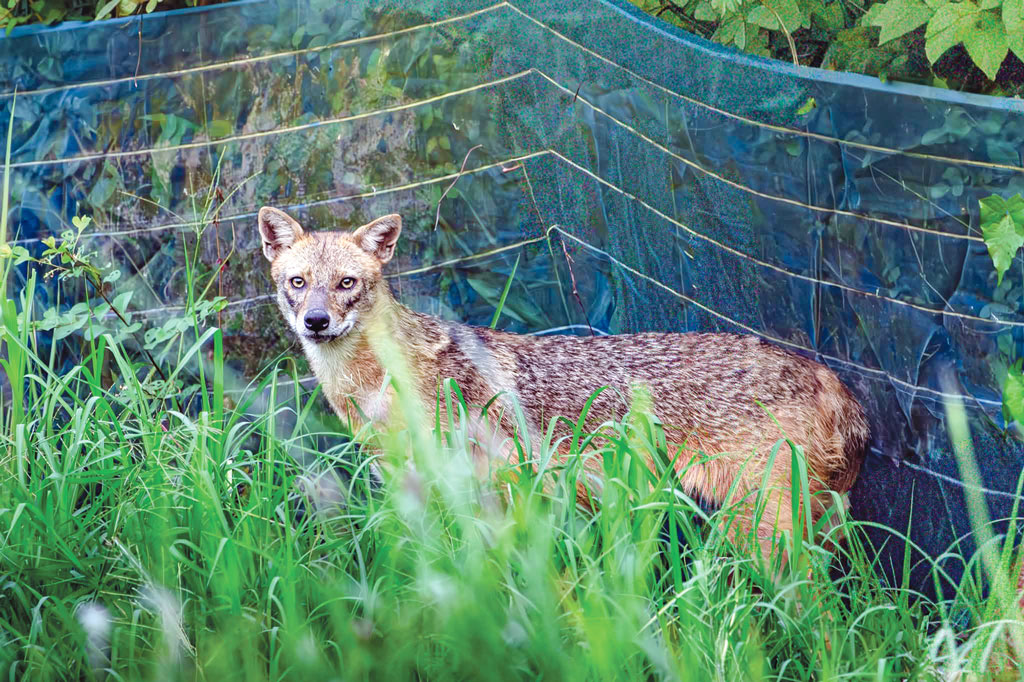
The 131 species include 97 species of birds, 16 species of reptiles, 13 species of mammals and 5 species of amphibians. The most commonly seen were the Asian common toad, the oriental garden lizard, the house sparrow and the golden jackal.
The study also found several species that are relatively rare in different parts of the country, including monocled and binocled cobras, the Sundari turtle, the lesser whistling duck, small pratincoles, the gull-billed tern, the purple heron, the fishing cat, the rhesus monkey and the crested porcupine.
Species listed in the IUCN's 2021 Red List were also present, including the endangered Indian eyed turtle and Indian roofed turtle and the threatened grey-headed fish eagle.
Surveys across three seasons recorded the most species in winter, with 102, followed by 100 in summer and 82 in the monsoon. Sixty species move around the campus all year. Amphibians were more active in the monsoon and reptiles in the summer.
The research team included NSTU assistant professors Tanvir Akik Ibne Alam and Humayra Mahmud, lecturer Nasrin Akter Bristy, student Maimuna Salsabil Mishma, and Md Fazle Rabbe of the University of Dhaka.
Student researcher Maimuna Salsabil Mishma said the study began from the idea that everyone should know about the campus's rich biodiversity. She said planned management is essential to keep the animals there, with habitat destruction and conflict with people now the biggest problems.
The study's supervisor, zoology lecturer Nasrin Akter Bristy, said biodiversity was greater when she joined the university, but unplanned development is destroying wildlife habitat. Development must go hand in hand with conservation efforts, she said.
In winter, the campus's Moynadwip and nearby wetlands fill with the calls of migratory birds, drawing visitors from far away. In the monsoon, however, the wetlands become covered with water hyacinth, and the university administration has taken steps to clear them ahead of the coming winter.
The study found a Shannon-Wiener index of 3.39 and a Simpson index of 0.95 for birds, and an evenness index of 0.60 for amphibians. The researchers say the indices reflect rich biodiversity, but unplanned development, shrinking habitat and human pressure are becoming threats to it.