International Student Enrolment at US Universities Falls 9 Percent, New Students Down 15 Percent
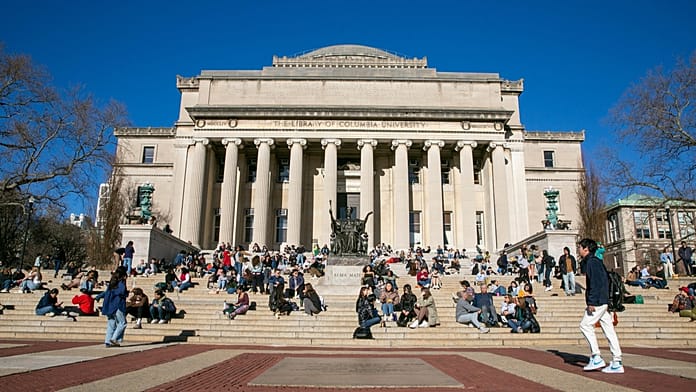
Fewer international students are studying at US universities. A survey by the Institute of International Education (IIE) found that US campuses saw a 9 percent decrease in international enrolment this autumn compared with last year, and the number of new students entering the United States for the first time fell by 15 percent, according to data released on Monday.
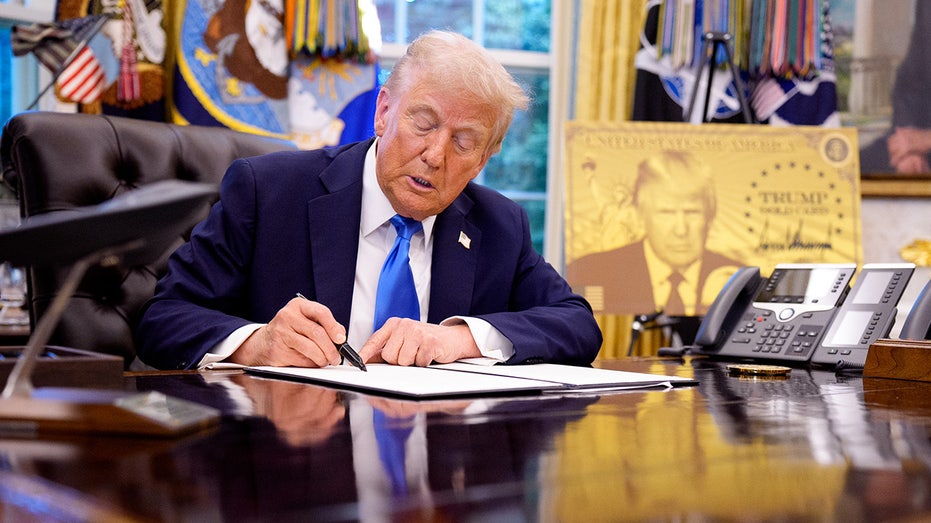
The fall has come as the Trump administration cracks down on immigration and reshapes higher education, the report noted.
Veena Dubal, general counsel for the American Association of University Professors, said the United States feels like an unsafe place to families all over the world and that they are listening to that message. Her father travelled from India in the late 1960s on a student visa to attend what was then the Tuskegee Institute.
Last year, the enrolment decreases were partially offset by large numbers of students who stayed in the US for temporary work after graduating. But the Department of Homeland Security (DHS) has proposed requiring schools to pay a $70,000 fee for every student who participates in the optional practical training (OPT) programme. Although the rule has not been finalised, participation in OPT dropped 6 percent this fall, according to the survey.
Wider DHS efforts include terminating the legal status of thousands of international students, along with detaining and deporting many of them. This summer, the administration also finalised a rule that will prevent international students from staying in the US for more than four years without approval from the federal government, although a judge has temporarily blocked it.
DHS Secretary Markwayne Mullin has said the changes were intended to crack down on loopholes that international students were exploiting by extending their studies.
The US remains the top destination for international students globally. But among more than 800 US colleges and universities surveyed, 88 percent blamed the visa application process and 70 percent blamed travel restrictions for the enrolment drops, and 95 percent predicted that international students would likely look to another country if OPT options are limited.
Mirka Martel, head of research, evaluation and learning at the IIE, said politics is not the only reason students are looking elsewhere; the survey found more global competition for international students and the rising cost of a US degree also contributed.
Fanta Aw, executive director and CEO of NAFSA, said students are also worried about research funding. She said students are telling themselves there is too much uncertainty in the United States and that they have many more choices today than they did 10 years ago, noting that students are going to places like China.
NAFSA, in partnership with the international education technology company JB International, found that amid the enrolment decline, international students' contributions to the US economy dropped by $2.4 billion this autumn.
Colleges have seen budgets squeezed. At Cleveland State University, international enrolment has dropped by 46 percent in two years, from 1,542 in fall 2025 to 828 this fall, and fewer than 50 new international students started this year. Provost Nigamanth Sridhar estimated the budgetary impact at $2-4 million. Sridhar himself arrived in the US from India on an F1 student visa, participated in OPT, and eventually became a naturalised citizen.
The biggest drops were at the graduate level, with international graduate enrolment down 15 percent this autumn compared with a 3 percent decrease at the undergraduate level. The report also found declines in students from India, which sends more students to the US than any other country.