Winter Home-Cleaning Rules to Follow When a Child Has Asthma
When a child has asthma, controlling household dust becomes a major concern for parents. Indoor dust, dampness and even fragranced products can inflame a child's airways and trigger a sudden asthma attack.
Alongside medicine and inhalers, keeping the home allergen-free and clean is one of the main conditions for controlling a child's asthma. Special attention must be paid to cleaning every part of the home to build a safe and healthy environment, especially in winter, when large amounts of dust and smoke enter from outside.
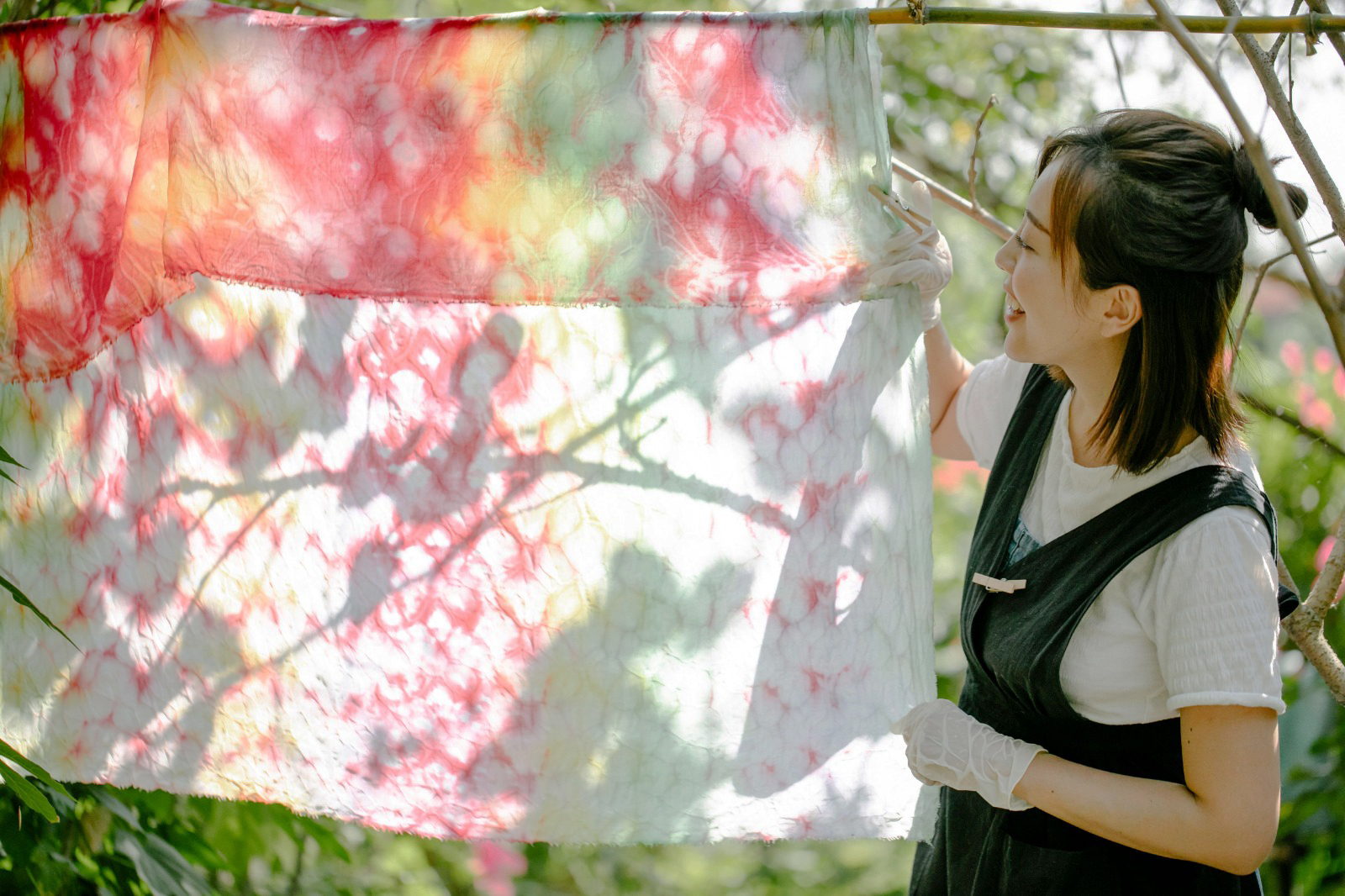
Most microbes and dust mites in a home collect in beds, pillows and mattresses. Though invisible to the naked eye, they act as one of the main triggers of a child's breathing difficulties. Bed sheets, pillow covers and blankets or quilts must be washed in hot water at least once a week and dried in strong sunlight.
Zippered dust-mite-proof or hypoallergenic covers can also be used on mattresses and pillows. Stuffed or furry toys are best kept out of the child's bed or room; if they must be kept, they too should be washed in hot water and dried in the sun every week. Carpets or rugs should not be kept in the bedroom, because they trap large amounts of dust and germs, and easily washable cotton curtains are better than heavy fabric ones.
Care must be taken so that dust does not fly into the air and reach the child's nose and mouth during cleaning. Dusting furniture with a dry broom or feather duster mixes dust into the air, so furniture, windows and floors should always be wiped with a slightly damp cotton cloth. The child should be kept in another room during sweeping, mopping or vacuuming, and brought back only at least half an hour after cleaning, once the dust has settled. Dust collected on fan blades and AC filters must also be cleaned regularly.
In winter, closed rooms develop damp walls and airborne fungus, which is extremely harmful to a child's lungs. Exhaust fans must be used in the kitchen and bathroom. Windows should be opened every morning to let in sunlight and fresh air, though they are better kept closed when there is heavy dust or pollen outside. If water leaks from a bathroom, kitchen or roof pipe and wets a wall, it must be repaired quickly, and wet towels or mops should be dried outside in the sun rather than indoors.
Chemicals used for cleaning often have strong odours that worsen a child's breathing problems. Bleaching powder, ammonia and strongly scented floor cleaners must be avoided. Odourless soap and water, or water mixed with a little white vinegar or baking soda used as a natural cleaner, is safer for cleaning work.
Room sprays, aerosols, mosquito coils, incense sticks and scented candles must be kept completely out of the home, and odourless detergent should be used to wash the child's clothes.
Cockroach and rodent droppings and pet dander and fur increase the severity of asthma. Food should be eaten at a designated dining table rather than around the house, all food should be kept in sealed containers, and the kitchen rubbish bin should be lidded and cleaned daily. If there are cats or dogs at home, they must never be allowed into the child's bedroom or bed, and pets should be bathed regularly.
Keeping the air pure is an important part of home cleanliness. No family member or guest should be allowed to smoke inside the home, or even standing on the balcony. Fine tobacco particles clinging to a smoker's clothes and hair can also cause a child's breathing difficulties. Keeping the home environment clean and allergen-free reduces the child's dependence on medicine and helps the child stay healthy.