Muslims being targeted in the name of voter roll revision in India: US commission
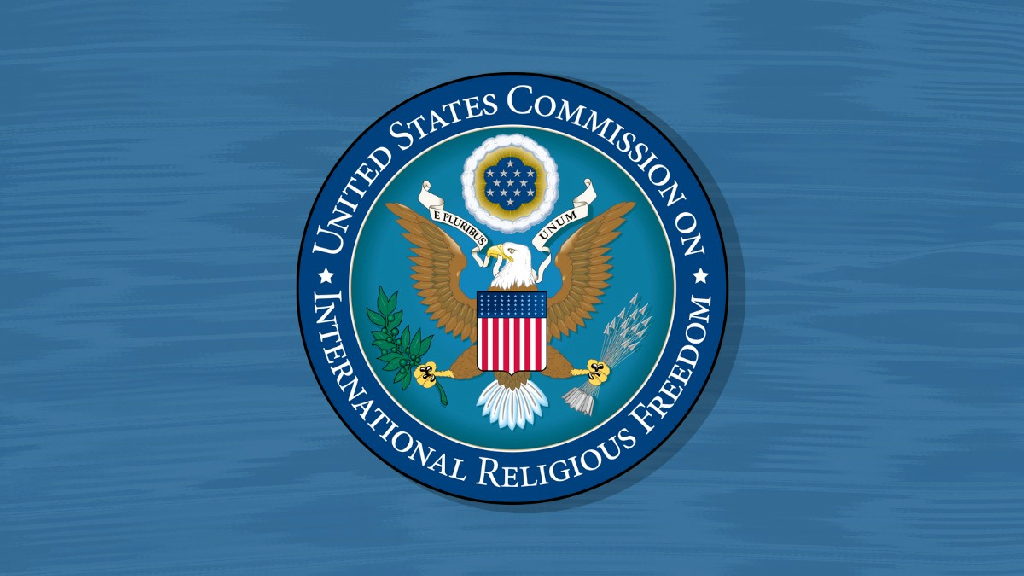
A United States commission has alleged that religious minorities, especially Muslims, are being disproportionately targeted in India's voter roll revision process, under which tens of millions of names are being removed. The information comes from a Reuters report.
In a statement on Thursday local time, Asif Mahmud, chair of the US Commission on International Religious Freedom (USCIRF), said: "The Indian government is targeting Muslim citizens by removing their names from voter rolls, labelling them foreigners and now illegally expelling them from the country."
Around 130 million names have been removed from India's voter rolls in the revision — a figure roughly equal to the entire population of Mexico. It is the largest removal of names from voter rolls in the country's history.
Available data shows the removals have affected Muslims, India's largest religious minority, the most.
India's Election Commission, however, says the names removed were mainly those of voters registered more than once, deceased persons, people who had moved elsewhere and others ineligible to vote for various reasons. The commission has also said anyone whose name was removed by mistake can appeal.
The voter roll revision has become entangled with a separate drive to identify illegal immigrants and expel them from the country, although removal from a voter roll does not by itself establish that a person is a foreigner.
USCIRF member Jean Mills said: "Expelling its own citizens because they are Muslim is a frightening new dimension in the Indian government's strategy of targeting its religious minorities." She called on the US State Department to declare India a "country of particular concern".
USCIRF is a bipartisan US government body that monitors religious freedom around the world and makes policy recommendations to the US government, though its recommendations are not binding. Washington has not yet acted on the commission's recent recommendations concerning India.
India's foreign ministry, for its part, has described USCIRF as biased. New Delhi has repeatedly rejected such criticism, saying it amounts to interference in the country's internal affairs. The Indian embassy in Washington was contacted for comment but did not respond.
The voter roll revision has sparked protests in India in recent weeks. Opposition parties and student protesters allege the revision has mainly removed people unlikely to vote for the BJP. Human rights experts have also condemned the government's harsh measures to suppress the protests.
Last month, US Secretary of State Marco Rubio described the matter as India's "internal political issue" and said Washington would not comment on it.
Human rights organisations have long alleged that discrimination against Muslims and policies excluding them have increased since Prime Minister Narendra Modi's BJP came to power in 2014. UN experts and rights groups point to the spread of hate speech, a religion-based citizenship law, demolitions of Muslim-owned properties and homes, the revocation of autonomy for Muslim-majority Jammu and Kashmir, and anti-conversion laws. The United Nations has described the religion-based citizenship law as 'fundamentally discriminatory'.