No Water and No Food: El Nino Drought Devastates the Pacific Island of Ahus
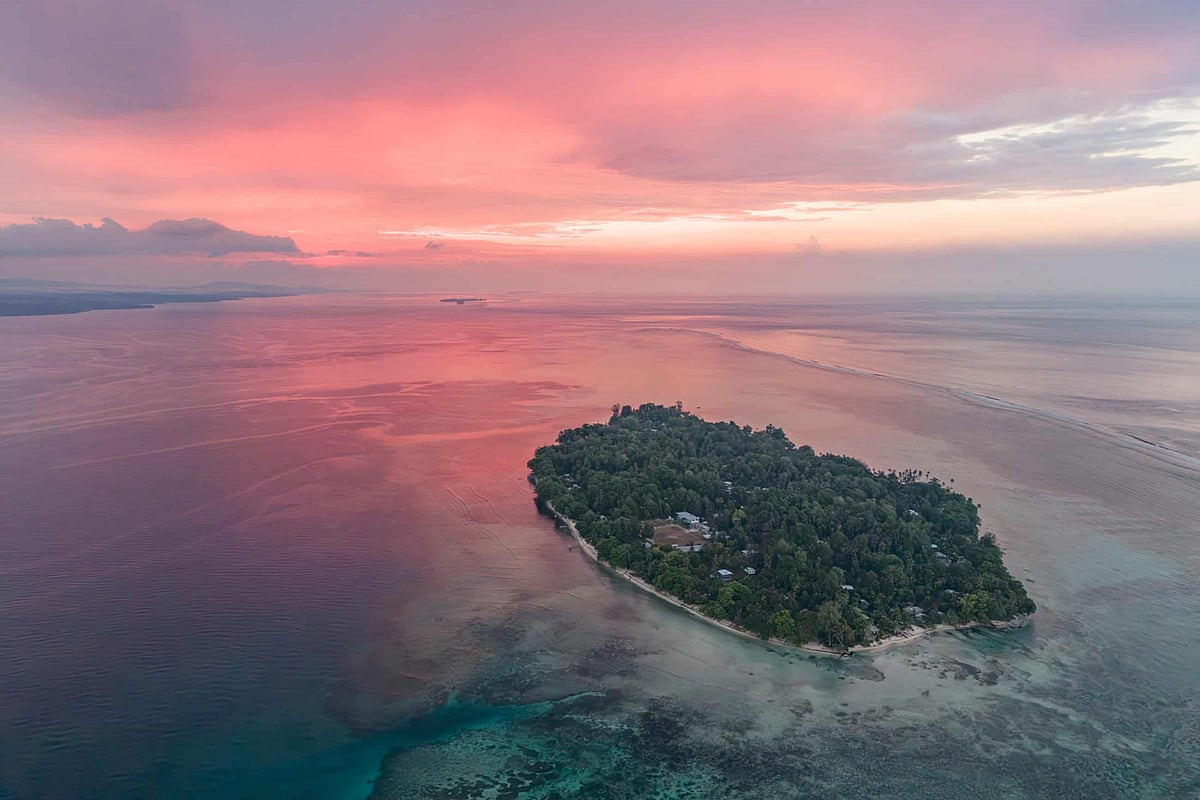
The small Pacific island of Ahus is surrounded by blue sea and green trees, yet the lives of its people are now in severe crisis. Water wells and springs have dried up, rainwater is also polluted, and many families are spending their days almost without food for lack of supplies. In the intense heat, going out to sea to fish has also become difficult.
The island lies in the north of Papua New Guinea. The lives of its people have been built around fishing for many generations. Alongside supplying their own food by fishing, residents also ran their households by exchanging fish with people on neighbouring islands. But this year's severe drought has changed that way of life.
A vast region of Papua New Guinea and Southeast Asia is now facing intense heat and drought under the influence of a strong El Nino. Rain is very scarce and water sources are drying up. A food crisis has also appeared in the markets of the neighbouring larger island of Manus, and the nets of Ahus fishers are catching fewer fish.
Professor Josh Cinner, a marine researcher at the University of Sydney, has been researching the island for about 25 years. Last October his fellow researchers went there and saw an unfamiliar scene. The island's people usually arrange dance, song and food to welcome researchers; this time the island seemed deserted, with people lying on the floors inside their homes, trying to save their body's energy and water in the heat.
The situation is so bad that school hours have been cut in half. In the heat, it is difficult for students to stay in classrooms for long. Fishing has also fallen, because fishing requires a great deal of physical exertion, while people's bodies face water shortages, lack of food and unbearable heat. The year 2026 is set to be one of the hottest years in Earth's history.
One day it rained, but that water could not be used either. Smoke from wildfires in the forest region of Borneo had spread through the air; elements of that polluted smoke mixed in and made the rainwater acidic. Local residents therefore quickly shut down their rainwater harvesting systems. The water wells have also dried up.
Now people have to cross the channel by small boat to Manus island to collect water. The springs there are also drying up. And under local custom, rights over land and water rest with specific groups, so using water sources in other areas is not easy either.
In the words of Ahus resident Michelle Suri, a food crisis has appeared in almost every family. For lack of heat relief and water, people have reduced fishing and gathering food from the shore. During the day, some try to keep their bodies cool by staying in the sea water for long periods.
The island's people knew about the risks of climate change in advance. For several years they have worked with various organisations to create alternative livelihoods, walls to hold back sea water and tanks to store rainwater. The United Nations Development Programme, the World Wildlife Fund and other organisations have assisted them. But a recent survey found that only 7 percent of families have adequate water arrangements, and 81 percent of families said coping with the effects of climate change has become difficult for them.
Moving elsewhere is not easy for the people of Ahus either. About 97 percent of land in Papua New Guinea is under the customary ownership of local groups, so the opportunity to go to a new place and build a settlement is very limited.
Meanwhile, the United Nations climate conference COP31 is under way in Antalya, Turkey. There, UN Secretary-General Antonio Guterres has warned that the pace of the climate crisis is outstripping our capacity to deal with it. He has also called for an end to the use of fossil fuels.
The people of Ahus island are among those least responsible for the world's climate change, yet its terrible effects have fallen on their lives first. The biggest question before them now is how water, food and safe shelter will be arranged.