Spinach holds 260mg of calcium a cup, but the body gets only about 13mg because of oxalate
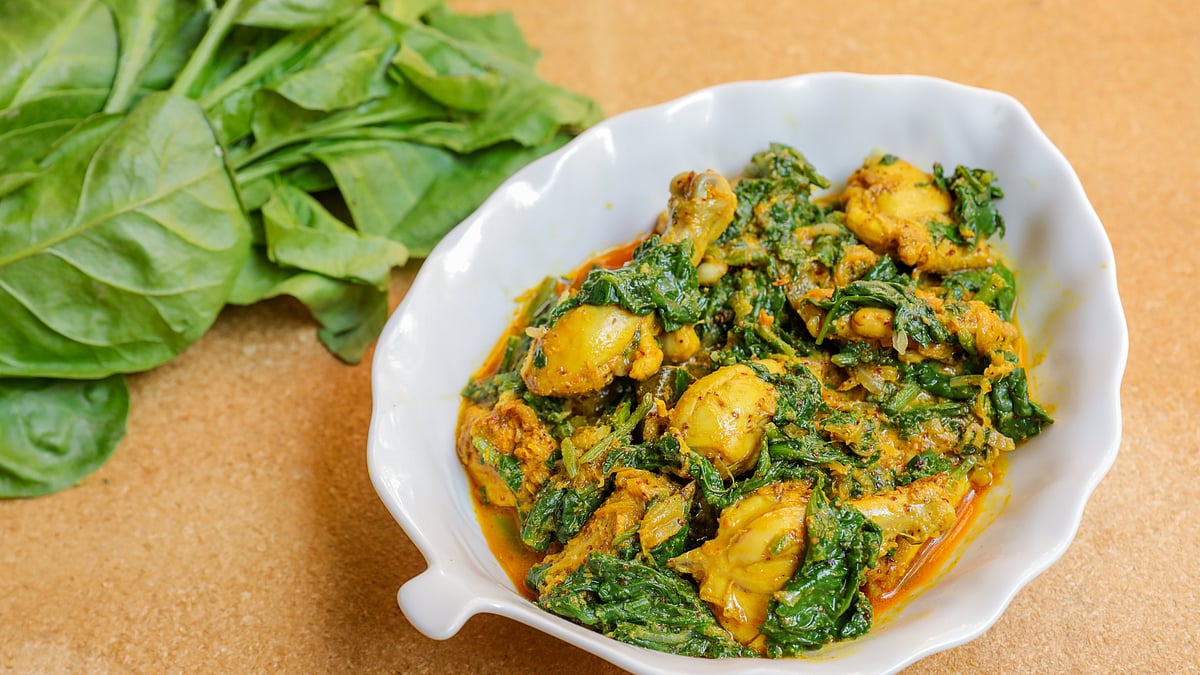
A cup of cooked spinach contains about 260 milligrams of calcium. But there is a question over whether that calcium is actually usable by the body.
The UK's National Health Service (NHS) says a large part of spinach's calcium does not become available to the body. The service therefore advises meeting daily calcium needs from other sources of calcium as well.
The reason is a substance in spinach called oxalate. Oxalate readily binds with calcium and forms calcium oxalate.
Calcium oxalate, however, is barely absorbed from the human intestine. Most of it leaves the body. Of the roughly 260 milligrams of calcium in a cup of cooked spinach, only about 13 milligrams becomes usable. The amount can vary somewhat from person to person.
The analysis therefore concludes that there is little scope to rely on spinach alone for enough calcium — a limitation also raised in discussion by nutritionists such as the head of the Home Economics department at Kumudini Government College in Tangail.
There is one way to reduce the oxalate. Boiling spinach briefly in water draws much of the oxalate out of the leaves into the water. If that water is thrown away, somewhat more calcium can be obtained from the spinach.
That method has a drawback too. Some nutrients in spinach, such as potassium, folate and vitamin B, also leave with the water. And however spinach is cooked, a large part of its vitamin C can be destroyed by the heat.
Raw spinach keeps the same oxalate problem. Eating a lot of raw spinach can also cause digestive trouble.
So should spinach be dropped altogether? The analysis says it certainly should still be eaten. But the nutrients not obtained from the spinach dish should be made up by keeping other vegetables and fruits in the diet.
Figures for other calcium sources were also given. Milk — whole, skimmed or semi-skimmed — provides more than 230 milligrams in 200 millilitres. Cooked small fish eaten with bones, such as puti, chapila, mola and dhela, provide more than 500 milligrams per 100 grams. Cooked chickpeas provide 99 milligrams per 200 grams, and cooked white kidney beans 130 milligrams per 100 grams.
All the amounts are approximate. Calcium content can differ by the type of food, preparation method and source. Calcium can also be obtained from calcium-fortified plant milks, the analysis noted.