Nearly Tk 44 Crore Project for Domestic Antivenom, National Venom Research Centre Planned in Chattogram
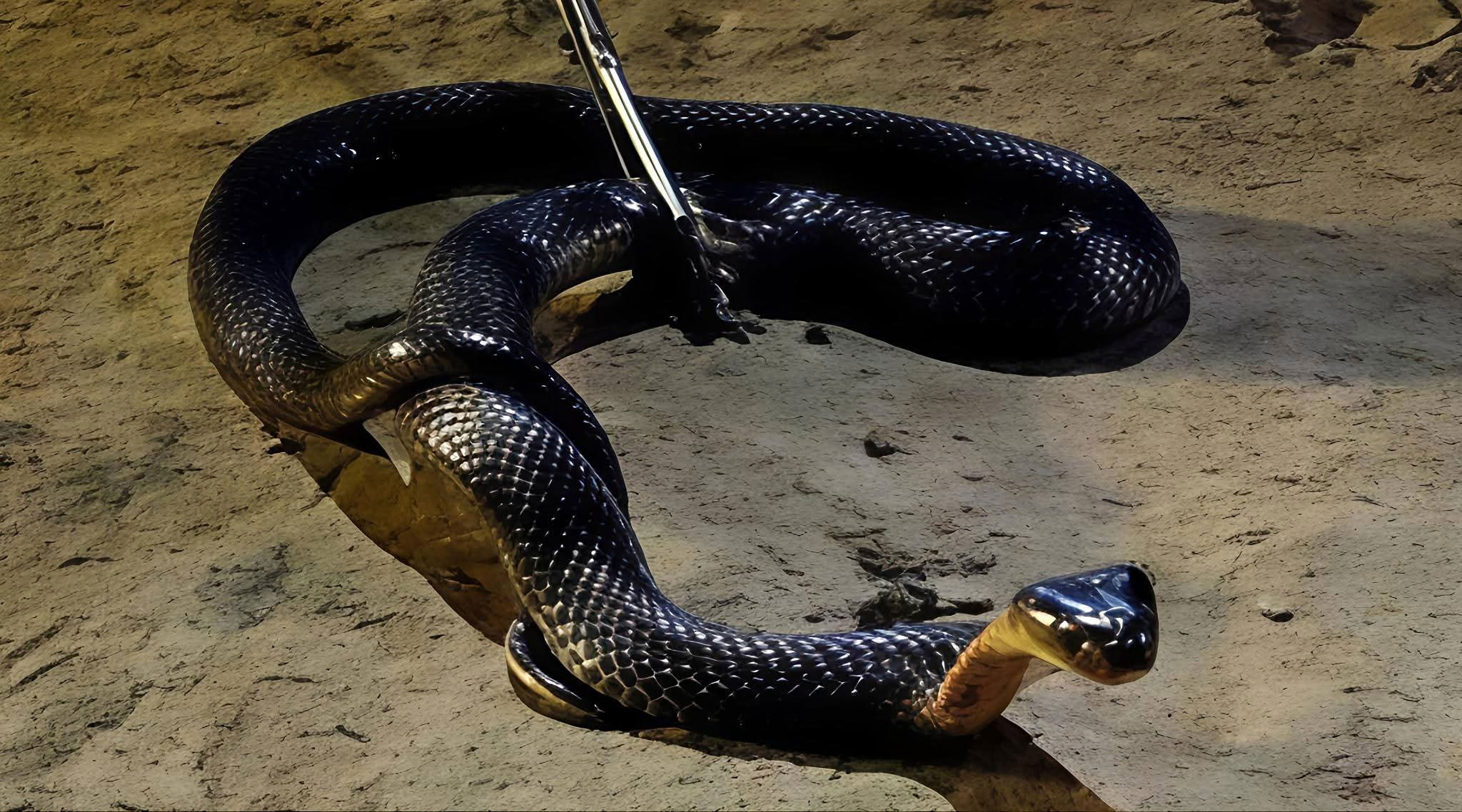
The government has taken up a project worth nearly Tk 44 crore to improve snakebite treatment, produce antivenom in the country and reduce deaths from snakebites.
According to the Development Project Proposal (DPP), the project's estimated cost is Tk 43 crore 99 lakh, to be fully funded by the government. The Directorate General of Health Services will implement it under the Health Services Division of the Ministry of Health and Family Welfare.
Under the project, the Venom Research Centre, Bangladesh (VRC,B), located at Chattogram Medical College, will be strengthened and upgraded into a full-fledged National Venom Research Centre (NVRC).
The three-year project, titled 'Strengthening of Venom Research Centre, Bangladesh (VRC,B)', is scheduled for implementation from July 2026 to June 2029. Its goal is to establish by 2029 a modern, well-equipped, effective and technology-based national venom research centre.
The centre will carry out snake rearing, venom collection, venom analysis and toxicological research following international standards. Plans also include a laboratory suitable for producing safe, effective and affordable antivenom, clinical guidelines for snakebite and envenoming treatment, training for health workers, and a disease-based database.
According to a 2022 nationwide survey by the health directorate, an estimated 400,000 people are bitten by snakes in Bangladesh each year and about 7,500 of them die. Most victims are working-age people between 30 and 40, and their deaths push many families into severe financial crisis.
The World Health Organization has recognised snakebite envenoming as one of the world's most neglected tropical diseases.
The DPP notes that the antivenom currently used in Bangladesh is imported from India and is made mainly against the venom of that country's four major venomous species, known as the 'Big Four'. As a result it is not fully effective against several venomous species found in Bangladesh, with estimated effectiveness of only 40 to 60 percent.
VRC,B chief researcher Professor Dr Aniruddha Ghosh said the centre was established at Chattogram Medical College in the 2017-18 fiscal year under a project of the health directorate's Non-Communicable Disease Control programme, with the aim of producing domestic antivenom. When that programme and its operational plans were closed in 2024, severe uncertainty arose over keeping the centre running.
Dr Ghosh said the newly approved development project to strengthen VRC,B will pave the way for making antivenom against Bangladesh's own venomous snakes, and that work will begin soon after a project director is appointed.
He said the centre currently has a serpentarium spread over 3,000 square feet, a rat breeding room, a snake treatment centre, a quarantine room and a laboratory. It holds more than 370 snake specimens collected from almost all geographical regions of Bangladesh, including cobras, king cobras, kraits, Russell's vipers and green pit vipers.
Following scientific methods, the centre has so far collected 1,504.78 grams of venom from 11 species of snakes kept in captivity. It has also made progress towards an antivenom against Russell's viper venom, although the initiative could not yet be completed for lack of adequate funds, according to the project description.
According to the project description, Chattogram Medical College was identified as a strategically important location because of the geographical and environmental diversity of Chattogram Division, where the hill districts of Bandarban, Rangamati and Khagrachhari and coastal, forest and rural areas face a higher snakebite risk. Cooperation is planned with Chattogram Medical College, the University of Chittagong, the Bangladesh Institute of Tropical and Infectious Diseases, Chattogram Veterinary and Animal Sciences University and the protein laboratory of Rajshahi University, among other institutions.
Dr Ghosh said that once implemented, the centre will serve as a specialised laboratory for herpetologists, zoologists and scientists working on venom and proteins. Its main work will include collecting venom from different snake species, producing antibodies and researching their effectiveness, and the collected venom will also be used as the main raw material for antivenom made to Bangladesh's needs. He said the centre could in future reduce the need to import antivenom, and possibly end imports altogether. The project is also consistent with the World Health Organization's global strategy to reduce snakebite deaths by 50 percent by 2030, he said.