Dengue kills 48 in Chattogram this year, 37 of them women and children
A total of 48 people have died of dengue at hospitals in Chattogram from the start of this year up to Sunday. Of those who died, 37 were women and children, even though men account for the largest share of those infected.
The figures come from an analysis of the latest report of the Chattogram District Civil Surgeon's Office. According to the report, 8,515 people were admitted to hospital with dengue between 1 January and Sunday.
Among the 48 who died, 25 were women, 12 were children and 11 were men — meaning about 77 percent of all deaths were women and children. Among those infected, 3,930 were men, 2,598 women and 1,987 children.
In the first eight months of this year, only five people had died of dengue in Chattogram. From September to the first 22 days of November, another 43 died — about 90 percent of the year's total deaths.
By month, the highest number of deaths was in September, when 2,430 people were infected and 16 died. In October, infections rose to 2,608 with 15 deaths. In the first 22 days of November, 1,441 people were infected and 12 died.
In the whole of last November, 1,007 people were infected with dengue in Chattogram. The first 22 days of this November have already exceeded that figure, with 434 more infections than the whole of last November.
In the latest 24 hours, 45 new dengue patients were admitted to hospital, though no one died in that period. Currently 148 patients are undergoing treatment at hospitals in Chattogram, and 8,367 have recovered and been discharged. Of those infected, 6,827 received treatment at government hospitals and 1,688 at private hospitals.
Infections have more than doubled compared with last year. From January to October last year, 3,505 people were infected; in the same period this year the number is 7,074, a rise of about 102 percent. Deaths in the same period rose from 20 to 36.
The highest dengue caseload in Chattogram in the past five years was in 2023, when 14,087 people were infected and 107 died. This year's infection and death counts are the highest since 2023. In the latest week alone, 347 new patients were admitted and four more died.
The infection is not confined to the city; it has spread to the upazilas as well. Of those infected, 3,979 are city residents, 3,659 are upazila residents and 877 came from other districts for treatment. But deaths are higher among upazila residents: 15 died from the city, 23 from upazilas, and 10 patients from other districts died while being treated in Chattogram hospitals.
Among the upazilas, the highest number of patients was detected in Sitakunda, with 1,301 cases, about 36 percent of all upazila infections. Karnaphuli follows with 375, Banshkhali with 298, Rangunia with 214 and Anwara with 199 cases.
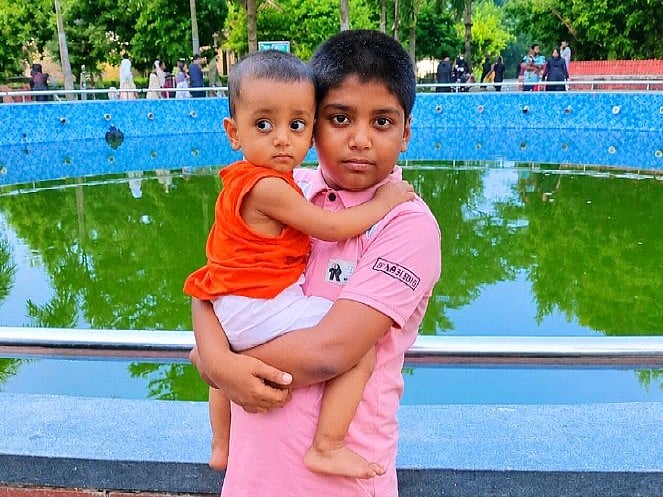
Kabir and his wife Amena Begum have lost two sons to dengue. Their elder son, Nur Mohammad Arafat (10), died first while being treated at Chattogram Maa O Shishu Hospital. Their younger son, Mohammad Abu Bakkar, aged 10 months, then died at 1:10am on 9 November. Kabir said, 'People are dying of dengue one after another. Nobody seems to care. Mosquito medicine is not being sprayed properly.'
Chattogram Civil Surgeon Mohammad Sajedur Rahman said mosquito control is the main way to prevent dengue, and that unless breeding sites are destroyed and mosquitoes killed regularly, the infection will continue. Intermittent rain until mid-October left standing water in many places this year, creating opportunities for mosquitoes to breed, he said.
The civil surgeon said water samples have been collected from different areas and sent to a laboratory to identify mosquito breeding sites, and the city corporation and upazila administrations will be informed so action can be taken at risky spots based on the results. He advised keeping house surroundings clean and not letting water collect in flower tubs, abandoned tyres, buckets or on rooftops.
He also said that if danger signs such as abdominal pain and extreme weakness appear even after the fever subsides, patients must go to hospital quickly, as the condition can deteriorate in the 24 to 48 hours after the fever falls. Leaflets are being distributed among other activities to make people aware of dengue danger signs, he added.