Environment minister stresses solar-powered cold storage to cut post-harvest losses

Environment, Forest and Climate Change Minister Abdul Awal Mintoo has stressed the use of solar-powered cold storage to reduce post-harvest losses and preserve the quality of fruits and vegetables. He said that if temperature-controlled transport is linked with cold storage, farmers will be able to market a larger share of their produce, creating an opportunity to increase their income.
The minister made the remarks as chief guest on Tuesday (24 November) at the closing ceremony, at Hotel InterContinental in the capital, of a project assessing the feasibility of using solar-powered cold storage to preserve fruits and vegetables in Bangladesh's climate.
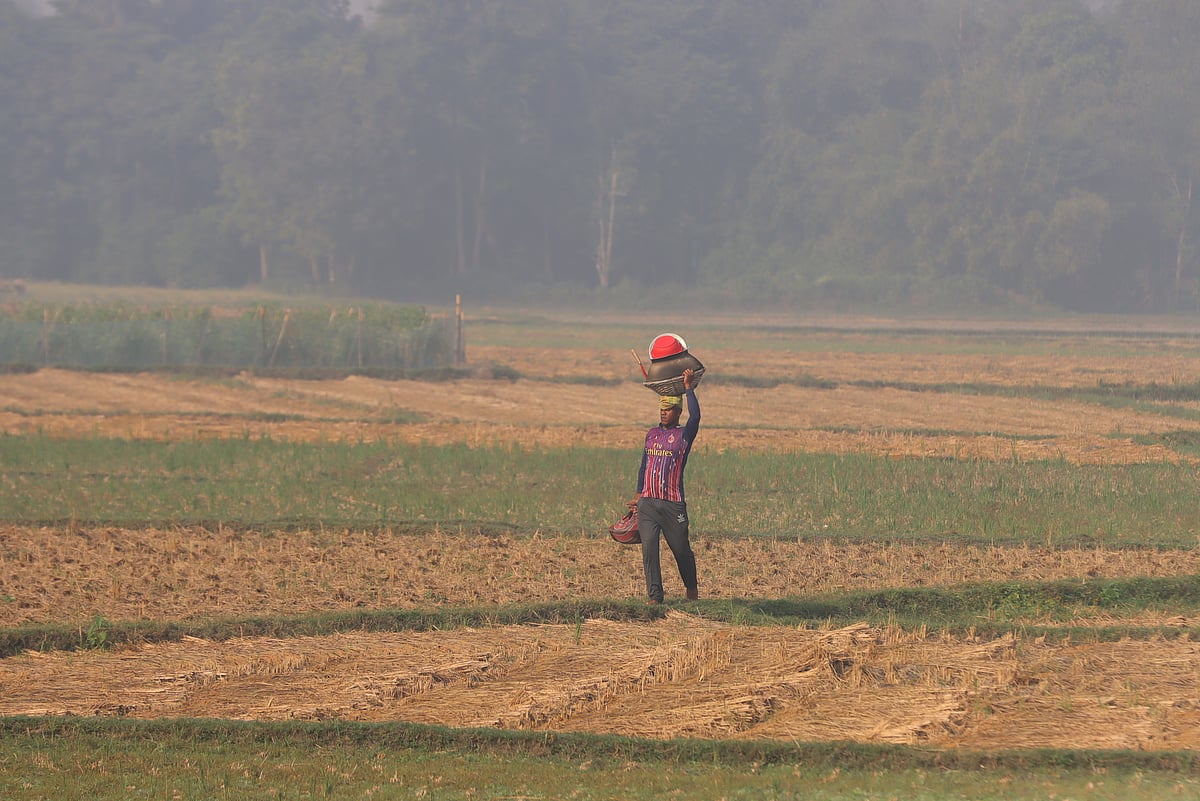
The minister said agriculture plays an important role in the country's economy, food security and rural livelihoods. Alongside the impacts of climate change, preserving crops after harvest is also a major challenge for farmers. Due to high temperatures, a lack of adequate cold storage and irregular electricity supply, agricultural produce often spoils before reaching the market.
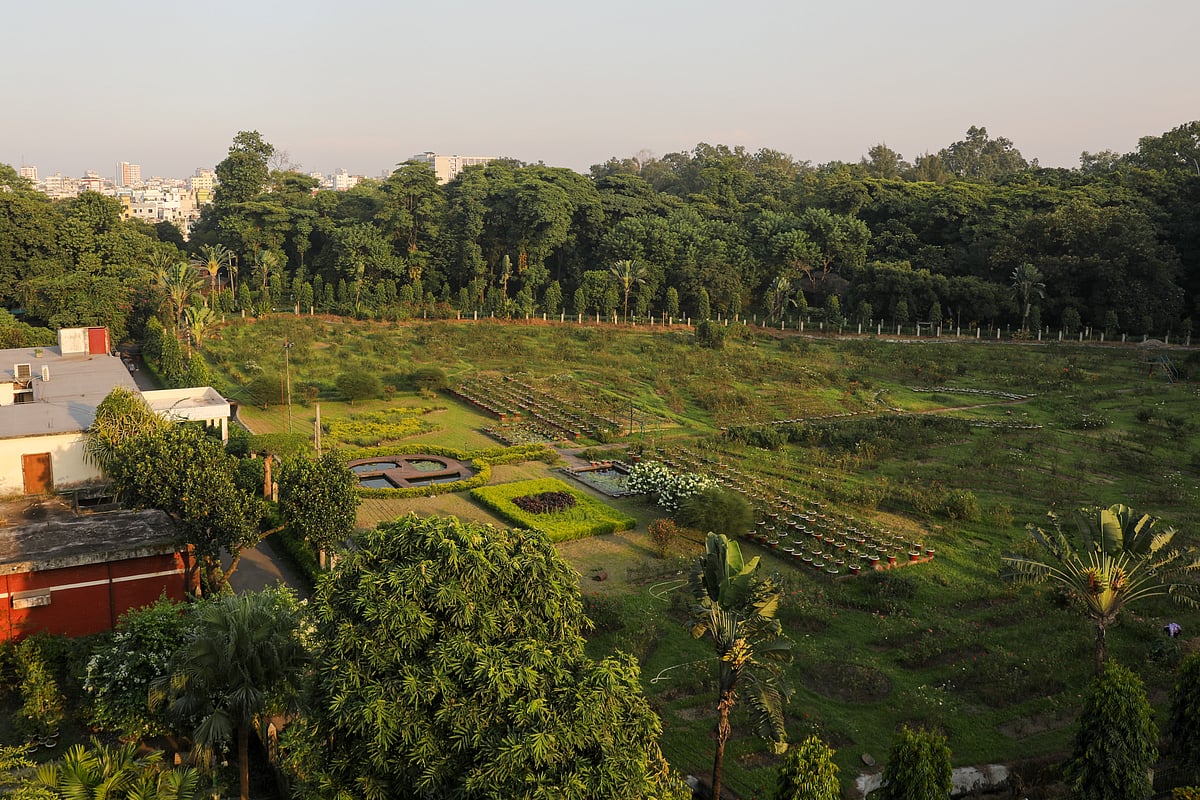
Referring to a pilot cold storage facility installed at an agricultural farm in Rajshahi, the minister said it was built taking into account Bangladesh's weather, farming methods and electricity supply situation. The experience of this demonstration will help determine how solar power and heat storage technology can be used to make cold storage more reliable in rural areas.
Abdul Awal Mintoo said that, using the feasibility study and the Rajshahi experience, rapid cooling of fruits and vegetables, cold storage, temperature-controlled transport and digital temperature monitoring could be linked into a single system. This would create an opportunity to build local technical capacity as well as a climate-resilient, low-carbon agricultural system.
With the support of the Ministry of Environment, Forest and Climate Change, the project was led by the Korea Institute of Industrial Technology (KITECH). Financial support came from the United Nations Environment Programme (UNEP) and the UN Climate Technology Centre and Network (CTCN).
At the pilot solar-powered cold storage in Rajshahi, a latent heat material (LHM) that stores heat at low temperatures was used to keep the internal temperature stable. Technical training was also provided under the project.
The minister thanked UNEP, CTCN, KITECH, local partners, farmers and experts connected with the project. He expressed hope that technical cooperation with South Korea and CTCN would continue to take this technology to more agriculture-dominated areas of the country.
Additional Secretary of the ministry Dr Nurun Nahar, KITECH chief researcher and project head Dr Kim Jong-yeol, director of South Korea's EST Co. Ltd. Yongjin Shin and expert Dr Inhan Kim also spoke at the closing ceremony. Representatives of the ministry, the Department of Environment, research institutions, local project partners, NGOs and the agriculture and transport sectors, along with print and electronic media journalists, were present.