Just 10 Minutes of Walking After a Meal Helps Digestion, Blood Sugar and Blood Pressure, Research Shows
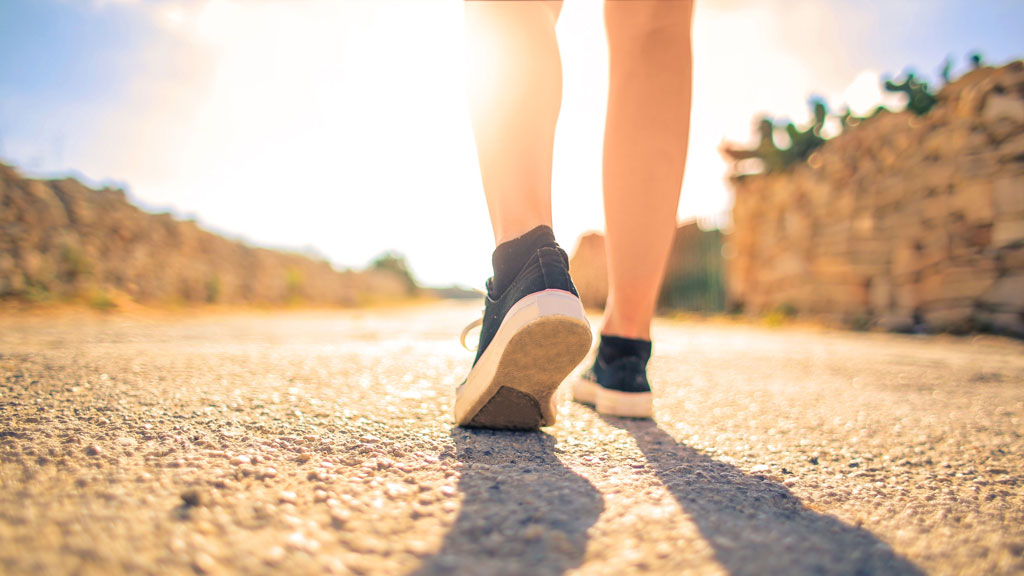
Walk a little after eating — the advice elders have given for generations. Modern medical research says this simple habit can be one of the most effective ways to stay healthy; whether after a heavy meal or an ordinary one, a short walk afterwards brings the body multiple benefits.
The digestion benefit comes first in the research. Walking after a meal stimulates the stomach and intestines, so food digests faster. One study found that walking 10 to 15 minutes after every meal significantly reduces bloating, gas and belching, and it is also effective for patients with irritable bowel syndrome.
For blood sugar control, the habit matters especially for people with type-2 diabetes. Research has found that walking 10 minutes after each meal is more effective at preventing sudden blood sugar spikes than a single 30-minute walk once a day.
Regular walking also helps the heart and blood pressure. The habit lowers blood pressure and harmful LDL cholesterol, reducing the risk of heart disease and stroke. A walk after dinner also keeps night-time high blood pressure under control, the report notes.
Benefits for weight and sleep are also cited. A short walk after lunch and dinner burns calories and helps reduce belly fat and weight. It also improves the quality of night-time sleep and helps people fall asleep faster.
Sitting on the sofa watching TV right after eating reduces the functioning of the blood vessels, according to the report. Walking counters the harm of long periods of sitting, relieves mental fatigue and lifts the mood.
There is a caution, too. Experts say vigorous walking or heavy exercise immediately after eating should be avoided; it can cause stomach pain, nausea or acid reflux.
The report gives specific advice on timing and pace. After a light or normal meal, it is good to start walking 10 to 15 minutes later; after a heavy meal, 30 minutes to an hour later. Beginners should start with 2 to 5 minutes and gradually build up to 10 to 15 minutes after every meal.
As for pace, walk at a speed that raises the heartbeat somewhat without leaving you breathless — about 5 kilometres or 3 miles per hour. Walking 10 minutes three times a day, five days a week, meets the exercise target set by the American Heart Association.
No elaborate arrangement is needed to build the habit. Instead of a hard target of 30 minutes at once, take the small step of just putting on your shoes and stepping outside; once out of the house, walking becomes easy. The advice also includes using good-quality walking shoes for foot protection and comfort, keeping the walk in the routine like an important office meeting, walking with children when at home, or using a walking pad during desk work.