Full Verdict Published: Primary Teachers Directly Recruited Up to 2012 to Stay Ahead in Seniority
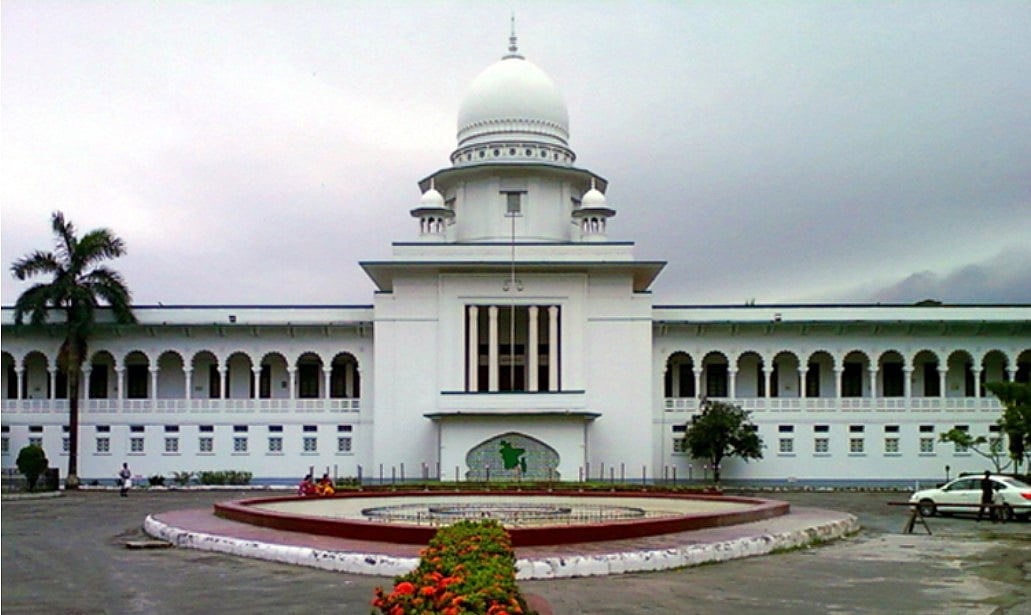
The full verdict allowing the government's appeal against the High Court verdict on the seniority and promotion of teachers of nationalised primary schools has been published. A four-member Appellate Division bench led by the Chief Justice allowed the appeal and delivered the verdict on July 2.
The 29-page full verdict was published on the Supreme Court website on Sunday. Muntasir Uddin Ahmed, lawyer for the Directorate of Primary Education, said the publication has resolved the complication over appointments to head teacher posts in about 32,000 government primary schools.
Muntasir Uddin Ahmed said that, as a result of the Appellate Division verdict, teachers directly recruited to government primary schools up to December 31, 2012 will get seniority above teachers who were nationalised in 2013. In other words, teachers directly recruited up to 2012 will remain ahead in seniority.
He also said the seniority of teachers directly recruited from 2013 will be after the teachers nationalised on January 1, 2013, because 50 percent of the nationalised teachers' previously earned service will count as 'effective service'.
According to the lawyer, for mutual seniority among teachers nationalised from January 1, 2013, 50 percent of their previously earned effective service will also count, and it will apply in relation to directly recruited teachers as well. The nationalised teachers' 50 percent effective service will also apply to their promotion, selection grade and time scale.
According to information from lawyers, the rules for teachers of taken-over private primary schools (service conditions) were framed on September 29, 2013, effective from January 1 that year. Through this, the jobs of assistant teachers of 26,193 private primary schools of different categories in the country were nationalised.
Rule 9(1) of the rules dealt with seniority and promotion. Challenging part of Rule 9(1), teachers of schools nationalised from private primary schools filed a writ petition in 2017.
After final hearing of the writ, the High Court delivered its verdict on March 11, 2019. It declared the part of Rule 9(1) stating that a teacher's position would be determined below the last person directly recruited under the recruitment rules immediately before that date to be in conflict with the Constitution, and directed that the writ petitioners be given seniority and benefits considering 'effective service'. The government filed for leave to appeal against this verdict, which the Appellate Division granted on November 20, 2022, also staying the High Court verdict. After hearing the appeal, it was allowed.
Attorney General Md Ruhul Quddus Kajol, Additional Attorney General Anik R Haque and lawyer Muntasir Uddin Ahmed took part in the hearing for the appellants. Senior lawyer Salah Uddin Dolon and Md Miftah Uddin Chowdhury appeared for the writ petitioners, and senior lawyer Ramzan Ali Sikder appeared for the government primary school teachers.
In the full verdict, the court said the government gave nationalised teachers the opportunity to count their past service, while working in registered private primary schools, as 'effective service' entirely on the basis of its own policy decision, not because of any statutory obligation. It also said that under Rule 4 of the 2013 rules, in giving those teachers the status of government employees from the date of their appointment, the government could have completely ignored their past service, because counting that service for seniority, pension, selection grade and time scale clearly creates an additional financial burden on government funds. However, the government recognised their past service in the interest of education, considering their experience and in light of the principles of state policy in Article 17 of the Constitution.
The verdict also said the words in Rule 9(1), that a teacher's position would be determined below the last person directly recruited under the recruitment rules immediately before that date, are in no way unreasonable or self-contradictory, whereas the High Court Division had considered the words unreasonable and self-contradictory when declaring Rule 9(1) illegal and without lawful authority.