TIB Demands Withdrawal of IGP's 'Crossfire' Remark and His Accountability, Calls for Removal If Not Ensured

Transparency International Bangladesh (TIB) has strongly condemned and expressed deep concern over the Inspector General of Police's (IGP) remark that, if the government permits, police would resort to 'crossfire' when necessary to maintain law and order.
According to the organisation, such a remark sends a dangerous message that presents extrajudicial killing as an acceptable tool for suppressing crime, instead of addressing failures in law enforcement and institutional weakness. Describing it as an expression of extreme disregard for the constitution and the rule of law, TIB demanded the immediate withdrawal of the remark, accountability of the IGP, and accountability for a declaration that runs counter to the government's stated position against extrajudicial killings.
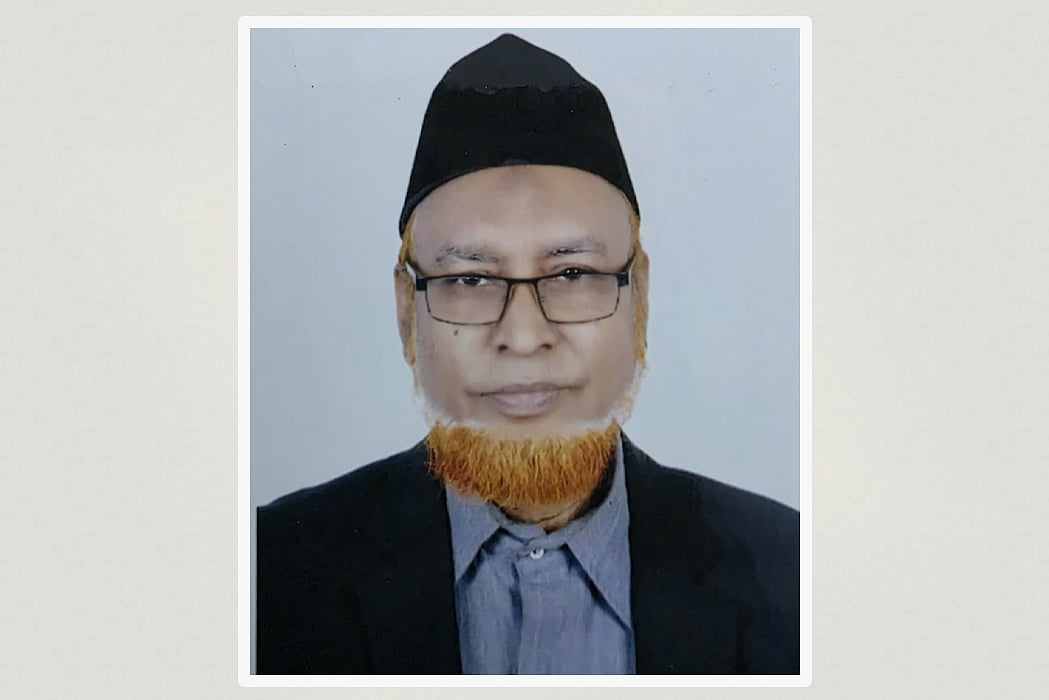
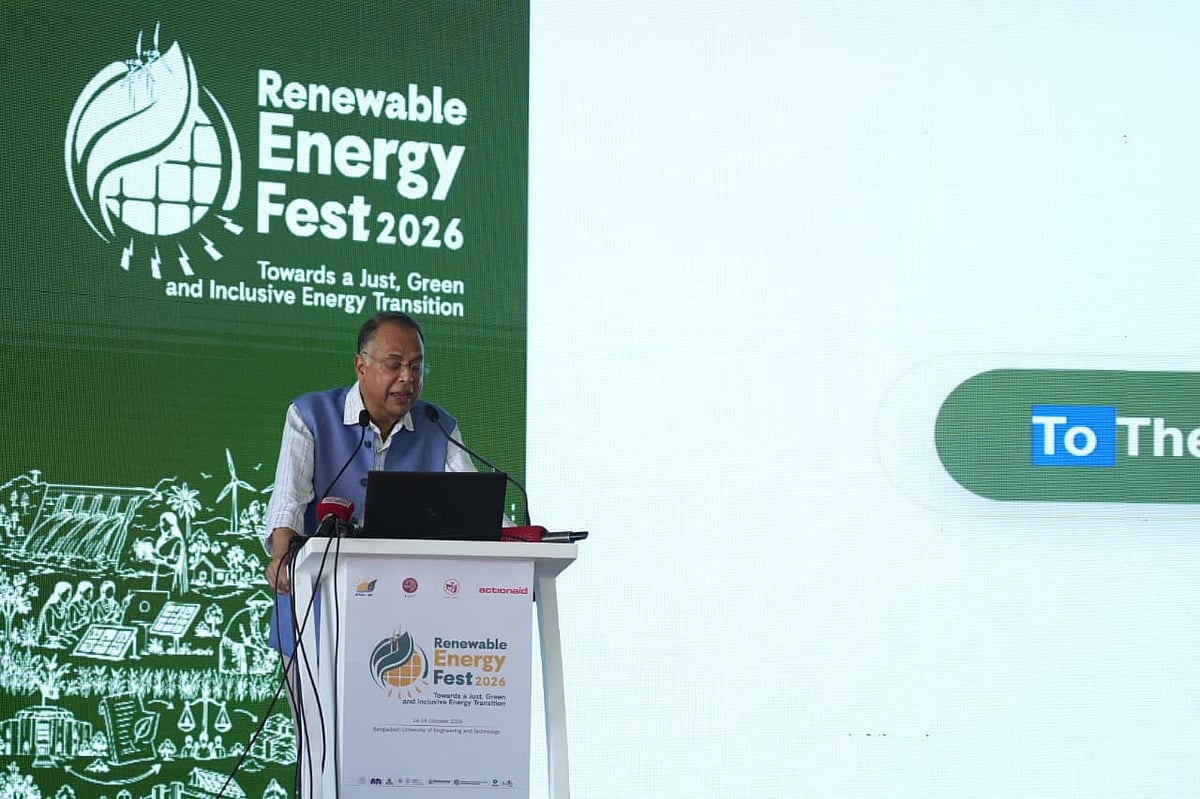
TIB Executive Director Dr Iftekharuzzaman said: 'Does the police chief want to use the hated crossfire as a shield for their own failure to maintain law and order? Is seeking a path to legitimise extrajudicial killing by attaching the condition of government permission not also an admission of failure to suppress crime lawfully? The police's duty is professional investigation, identifying criminals and bringing the accused to trial on the basis of acceptable evidence. Presenting crossfire as an alternative to that cannot be a solution to institutional weakness; rather, it is an example of professional bankruptcy.'
He added: 'In the same statement, the IGP spoke of performing duties in accordance with the law and the constitution, and also said police would carry out crossfire if the government permits — these two positions are contradictory. No government's permission can legitimise extrajudicial killing. The rights to protection of law and to life and personal liberty, safeguarded under Articles 31 and 32 of the constitution, cannot be cancelled by an executive decision. However serious the allegation, the police have no authority to kill anyone by bypassing the judicial process.'
Recalling past experience, the TIB executive director said: 'The sentencing of police members in the Sinha murder case, and the allegations of extortion, torture and killing through threats of crossfire that emerged in reports on that verdict, remind us of the horror of this method. The audio released by the family in the case of Teknaf councillor Ekramul Haque, killed in a so-called gunfight, and the murder allegations also raised widespread questions. Again, the sentencing of former RAB officers in the Narayanganj seven-murder case is a judicially established example of criminal use of power by law enforcement. After thousands of such experiences, against the backdrop of expectations of state reform including the professional purification of the police, the police chief is again bringing up the possibility of crossfire. The police must answer what lessons it has learned from past crimes.'
Dr Iftekharuzzaman further said: 'Such a reckless and imprudent remark by the police chief may appear at the field level as a tacit licence for unlawful use of force. When the very person whose duty is to run the force within the law presents crossfire as an alternative, questions about his sense of duty and suitability for leadership are bound to arise. How will the public have confidence that citizens' lives and legal protection will be ensured under his leadership?'
He also raised the question: 'On 14 September, the Law Minister had said the government would not take the path of crossfire to suppress terrorism and that terrorism can be suppressed with the existing laws. Even after that, why is the police chief raising the possibility of crossfire subject to government permission? The government must clarify the explanation for this inconsistency and how his accountability will be ensured in implementing the declared position.'
TIB said the police's use of force must be lawful, necessary and proportionate. Under international standards, the intentional lethal use of firearms is acceptable only in strictly unavoidable situations to protect life. There is no scope to present this limited opportunity as an approval for extrajudicial killing.
On the allegation that journalists criticise the police for not receiving money, the organisation said that if there is a specific allegation of a crime against any journalist, lawful action must be taken on the basis of evidence. Sweeping allegations call into question the watchdog and accountability role of a free media and create a risk of discouraging independent journalism. The need to ensure the police's working environment and capacity cannot be an argument for avoiding legitimate criticism.
TIB called on the government to obtain a formal explanation of the IGP's remark, ensure the withdrawal of the statement along with a public unconditional apology, and ensure his administrative accountability. The organisation also called for his removal from office until accountability is ensured.