Six doctor-backed ways to protect sleep and health as the clocks go back
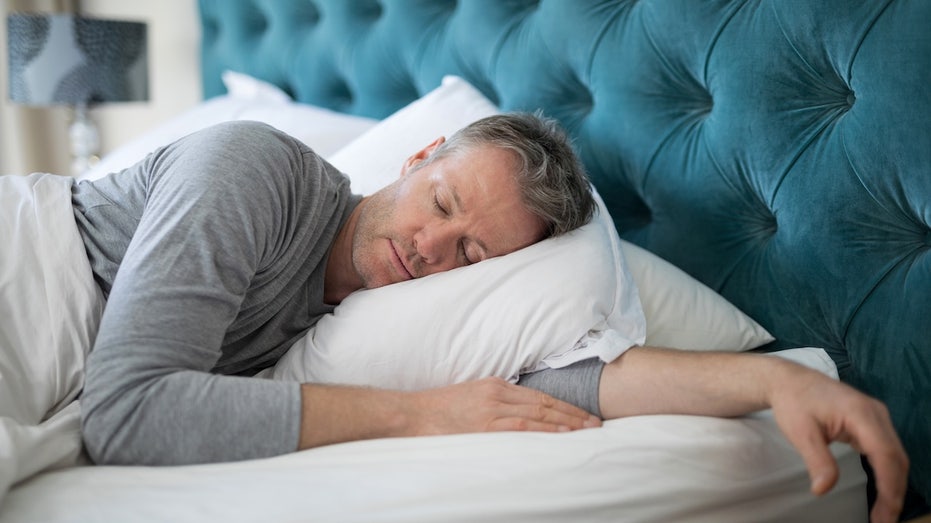
Daylight saving time is ending and the clocks are about to go back by an hour, with the change taking effect overnight on Saturday. Turning the clocks back has been linked to trouble falling and staying asleep, and ongoing sleep loss can take a toll on health.
Dr John La Puma, a California physician and expert in nature-based medicine, says making small adjustments to your routine amid the time change could help ease the transition. The body's internal clock does not automatically follow the clock on the wall, he noted.
"When the clocks change, your body clock is still on the old time," La Puma said. "So, for about a week, you wake up an hour early. You get hungry early. You feel sleepy early. It gets dark by five. Afternoon light goes away. You get months of short days."
While some research has suggested the fall time change could have some cardiovascular benefits, the abrupt loss of evening sunlight can suppress serotonin and melatonin production, which can lead to a depressed mood, according to La Puma.
His first tip is to begin moving bedtime, meals and wake-up time later in small increments starting on Friday. "You move your day later in small steps," he advised. "You move your bedtime and meals the same 15 minutes each time." For someone who normally goes to bed at 10 p.m., that could mean 10:15 p.m. on Friday and 10:30 p.m. on Saturday, before the clocks change.
This year the time change falls on Halloween. Dr Saema Tahir, a sleep medicine doctor in New York City, cautioned against staying up late and drinking on the assumption that the extra hour will cover it.
"Keep alcohol moderate, finish drinking a few hours before bed and avoid caffeine after early afternoon," Tahir advised. "Alcohol makes you drowsy at first but breaks up sleep in the second half of the night. Caffeine stays in your system for hours. Together, they can leave you more tired on Sunday than you would be with no time change at all."
La Puma also emphasised being intentional about outdoor light exposure, recommending getting outside each afternoon later in the day. "Late-day daylight is different than morning daylight. Late-day daylight tells your body the day is running long, and it shifts later," he said.
Once you have adjusted to the time change, Tahir recommends getting outdoor light within an hour of waking every day through the winter. "Light is the strongest signal the body clock gets," she said. "Evening light pushes it later, which is the direction you need to go for 'fall back.' Morning light keeps it stable over the darker months and supports mood and daytime alertness."
Choosing a relaxing activity that signals bedtime is approaching can help promote a consistent sleep schedule. La Puma suggests options such as working in a paper workbook, sipping chamomile tea, taking a bath or using aromatherapy, which he outlines in his book "Indoor Epidemic": "Very specific things that tell your brain and body, 'I'm winding down so I can go to sleep.'"
Other tips include limiting caffeine after noon and stopping screen time at least an hour before bedtime. La Puma warned that light from a phone screen can suppress melatonin, the hormone that signals it is time to sleep, and that even night mode may not fully prevent that effect.
Once the clocks change, it is important to maintain a regular wake-up time, including on weekends, La Puma said: "Pick one wake-up time and keep it every day, weekdays and weekends." He cited an eight-year study of about 60,000 people that linked consistent sleep and wake times to a 19% lower risk of death, adding: "Sleep and wake times have important effects on heart attack, stroke and cardiovascular mortality."
According to the National Institutes of Health, anyone experiencing persistent trouble falling or staying asleep, frequent daytime fatigue, or sleep loss that interferes with daily activities should contact a healthcare provider.