Not snow but white stone terraces: how to explore Pamukkale, Turkey's 'cotton castle'
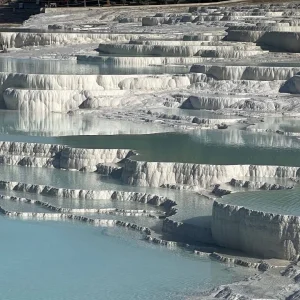
White mountain terraces like snow, bluish water between them and warm springs — from a distance it looks like a kingdom from a fairy tale. Pamukkale, in south-western Turkey, is such a wonder of nature. In Turkish, Pamukkale means 'cotton castle'.
The white travertine stone terraces, formed by mineral-rich water, are the place's main attraction. Alongside its natural beauty, ancient history also draws crowds of tourists here every year, and the site is on UNESCO's World Heritage list.
Next to Pamukkale stands the ancient city of Hierapolis. Built in the second century BC, the city was once an important cultural and religious centre. The ancient Greeks believed that toxic gas rising from beneath the ground here made the region a gateway to the underworld, and the Greek geographer Strabo described the place as a 'gate to hell'. Over time, wars, earthquakes and disasters reduced the city to ruins, and many of its historic remains are now centres of attraction for tourists.
Visitors to Pamukkale can walk barefoot over the white stone terraces and spend time dipping their feet in the warm water. At sunset the white hills change colour in the golden light, making the place even more enchanting.
Nearby is Cleopatra's Pool. Legend says Egypt's Queen Cleopatra bathed in this pool, and swimmers can swim among ancient Roman columns submerged under the water. To see Pamukkale's beauty from the sky, visitors can choose a hot-air balloon or paragliding.
Those interested in ancient architecture can tour Hierapolis's Roman theatre, where more than 10,000 spectators once sat to watch performances. Built in Emperor Hadrian's era, the theatre's walls are carved with mythological tales and scenes of gods and goddesses. The Denizli Hierapolis Archaeology Museum introduces visitors to the history of the ancient Roman baths, gymnasium and library.
Alongside sightseeing, there is shopping in Pamukkale and the surrounding area. Denizli city is famous for cotton cloth — tourists can buy Buldan fabric towels, bathrobes and handmade household goods as souvenirs. Vases and small statues of onyx stone and marble, and glass rooster figurines, are also sold in local shops. Turkish kebab, pide and sweet baklava can be put on the food list.
Denizli city is usually chosen as the travel base for Pamukkale; from there, buses, minibuses and shuttles reach the site about 20 kilometres away. Izmir, Antalya and Ankara also have bus connections to Denizli, and a train can be chosen for a comparatively comfortable journey.
April to June is the suitable time to visit Pamukkale, when the weather is pleasant and tourist crowds are comparatively smaller. From April to October the site stays open from 6am to midnight. The main attractions can be seen in a one-day trip, but staying the night offers the chance to enjoy the quiet paths and warm springs after the crowds thin.