Around 14,500 unnamed accused in Mirpur-Gazipur cases over wage movement, at least 59 arrested
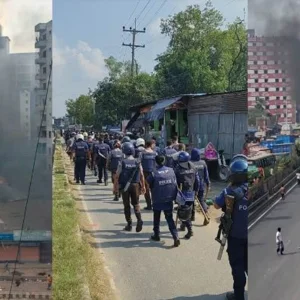
Around 14,500 unnamed people have been accused in cases filed in Mirpur and Gazipur over the garment workers' movement demanding a minimum wage of Tk 30,000. At least 59 people are reported to have been arrested in the two areas.
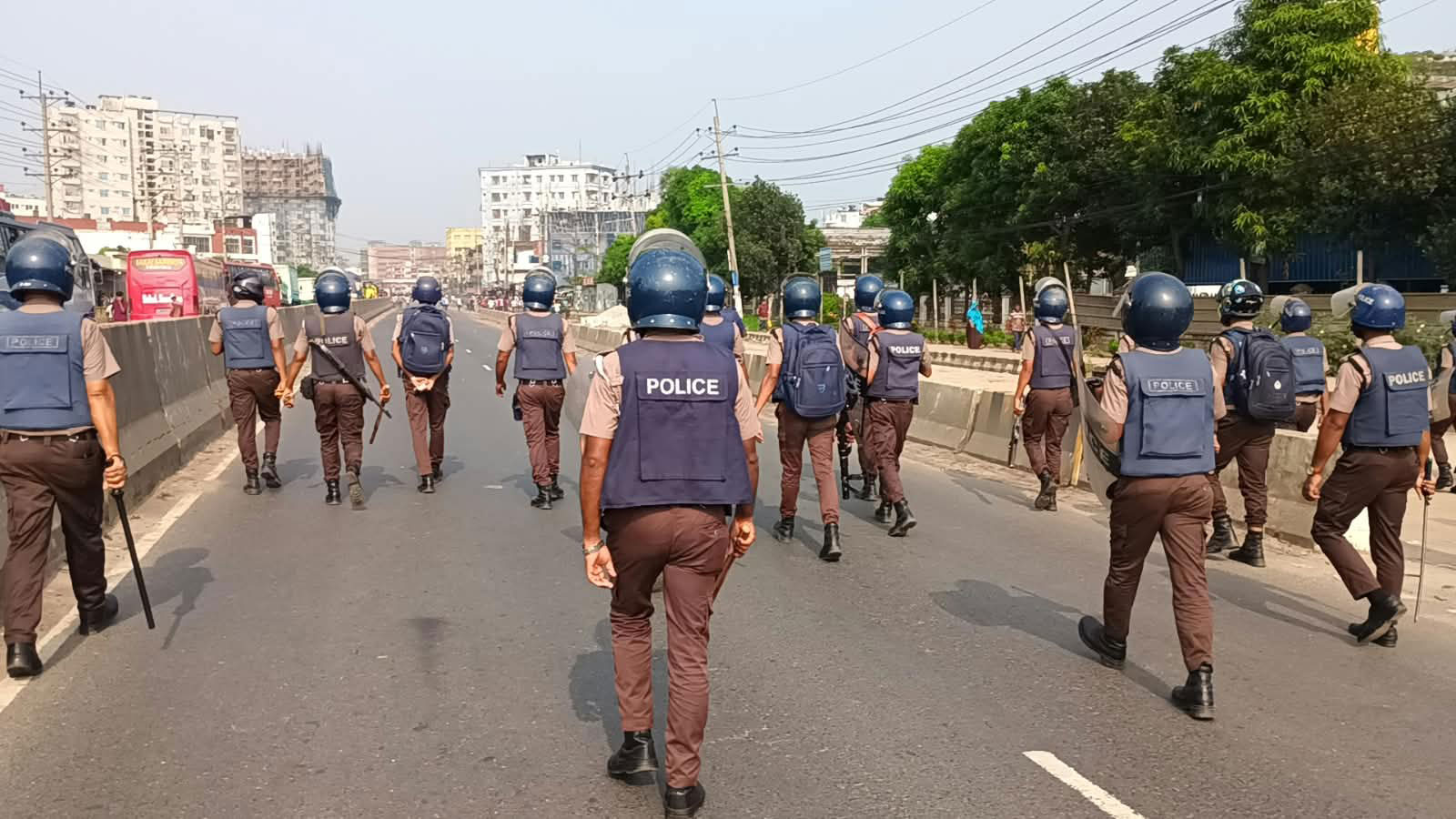
Garment workers' current minimum monthly wage is Tk 12,500. Centred on the demand for Tk 30,000, demonstrations, road blockades and clashes with police have been going on for two days in industrial areas including Mirpur in the capital, Gazipur, Savar and Ashulia. Incidents of arson and vandalism have also taken place. Police and other law enforcement agencies are in the field to control the situation; a new wage board has also been formed in the meantime.
By Monday noon (2 November), information was received that around 10,500 unnamed people had been accused in four cases over clashes, arson and vandalism in Mirpur. Later, Dhaka Metropolitan Police (DMP) reported five cases at various Mirpur police stations and the arrest of 29 people.
In Gazipur, on the other hand, around 4,000 people have been accused in three cases. Two of those cases were filed by the Industrial Police and one by Gazipur Metropolitan Police. At least 30 people are reported to have been arrested there.
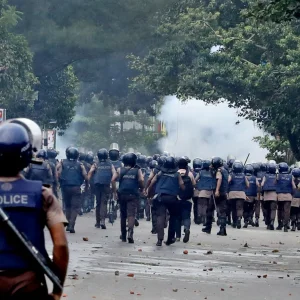
On Monday morning, workers from various garment factories protested in Shafipur, Chandra and Palli Bidyut in Kaliakair upazila of Gazipur, and in the Voghra Bypass, Konabari and Salna areas of Gazipur city. Protesters set fire to a police vehicle and blockaded a highway. Police and Border Guard Bangladesh (BGB) reached the scene and fired tear shells and sound grenades to remove workers from the highway; at one stage chases and counter-chases took place. Later a police box in Konabari and vehicles in the Palli Bidyut area and other places were set on fire or vandalised.
The same morning, workers at the New Age garment factory in Savar's Nishchintapur area observed a work abstention inside the factory. They later gathered in front of Ananta Garments on the Baipail-Abdullahpur road. At that time, several factories including Knit Asia, Al-Muslim, Trouser Line and Ananta Garments declared a general holiday on Monday, as on Sunday. When workers took position on the road, police obstructed them; when workers threw brickbats, chases and clashes took place, police fired tear shells, and workers set fire to a covered van in the Narsinghapur area.
On Monday, Home Minister Salahuddin Ahmed alleged that several former ministers, MPs and industrialists linked to the fallen Awami League government were behind the ongoing violence, and he also claimed to have obtained evidence against them. However, the identities of the accused industrialists, their specific roles or details of intelligence information were not disclosed at the briefing.
The Home Minister said: 'For the past few days, some parties supporting a fallen autocratic force have been plotting to create unrest by using innocent worker brothers and sisters. Attempts are being made to create an unstable situation in the country through road and highway blockades, arson and violence. Those who are instigating this from behind have been identified.' He also said some industrialists were involved in the industrial-area unrest - some of them were ministers, state ministers or MPs during the previous government; video and audio records have been collected and several people have already been brought under the law.
The police Detective Branch, on the other hand, claimed that some leaders and activists of the Awami League and its allied organisations took part in the Mirpur movement in the guise of workers and planned to create violence; several of them have also been arrested.
On Monday afternoon, after visiting the industrial area in Savar, Dhaka Range Deputy Inspector General (DIG) of Police Md Mostafizur Rahman told journalists that the government has formed a wage board to determine workers' wages and the board has also begun its work. Police do not consider the activities of those still creating an unstable situation in industrial areas as a workers' movement; strict legal action will be taken against them and the instigators behind them, and many troublemakers have already been arrested.
Dhaka district Superintendent of Police Shamima Parveen said some helmeted and masked individuals were involved in vandalism and violence during the movement. CCTV footage, videos recorded by journalists and intelligence information are being analysed to identify them. She claimed some miscreants, infiltrating among the workers, are trying to create an unstable situation in industrial areas.
Industrial Police DIG Abdullah Al Mamun said workers of different regions and ideologies work in the garment industry, there are many worker organisations, and each may have different demands and positions; as a result, movements are often not conducted in a disciplined way. At one stage some individuals become involved in pushing at factory gates, vandalism or throwing brickbats and the situation heats up; then members of the forces on duty take immediate action according to the situation.
Abdullah Al Mamun also said several police members were injured in the last two days' incidents - several were given first aid and some are still undergoing treatment in hospital. Several vehicles, including pickups of the DMP and Gazipur Metropolitan Police, were set on fire or damaged; however, the financial amount of the damage cannot be stated yet, and the relevant team will assess and determine it. On cases, he said damage to a police vehicle, a factory gate or other property is a criminal offence; as it is not possible to immediately identify those involved, unnamed persons are accused, and action is taken later if involvement is found in investigation. He also said the situation at factories is being closely monitored under superintendents of police at the Industrial Police's nine regional offices.
It is not new for a huge number of unnamed people to be accused over a workers' movement. After the 2023 garment workers' movement, a 2024 Amnesty International report said 161 people were named and an estimated 44,000 unnamed people were accused in at least 35 criminal cases. The organisation observed that such cases create fears of arrest and harassment among workers and worker organisation leaders.