
Who owns an image, song or text made by AI? The copyright question grows more complicated
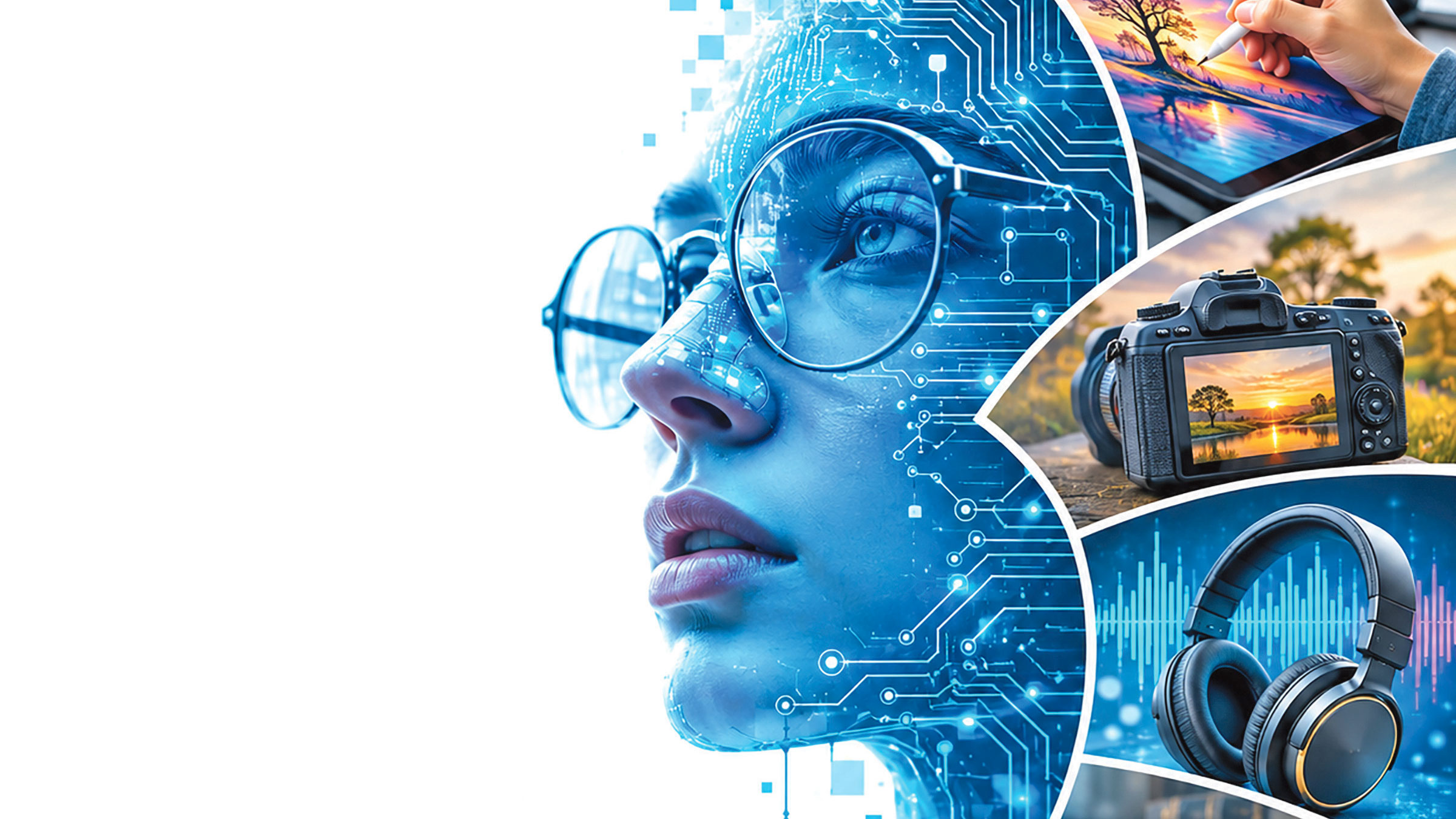
Who owns a creative work? There was once a simple answer: the person who created it. But now that artificial intelligence produces so much creative material, that answer no longer holds easily. The prompt may be yours, but the platform belongs to a giant company. So whether the person giving the prompt owns the creative asset that comes out has become hard to determine.
AI's entry into human creativity has opened new possibilities alongside a cluster of complicated questions. Who is the artist of a machine-made image? Who is the author of a novel written with AI? If a singer's voice is cloned to make a song, who holds the rights to it? And when millions of people's writing, images and songs are used to train AI, is their permission being taken?
For images, Midjourney, DALL-E and Google's Imagen are prominent. For writing, ChatGPT and Gemini are used, and for music, platforms such as Suno and Udio. With these tools, a user can write a few sentences — a prompt — and create or edit images and other creative material.
Creating art once rested mainly on the artist's skill, time, experience and labour; now an algorithm does part of the work. That raises the question: is the person who merely gave the instruction the artist, or is the real owner of the creation the person who built the AI model?
Under the conventional idea of copyright, the creator of an original literary work, song, photograph or artwork enjoys specific rights over it. With AI-made work, the problem is that how much of the creation is human is not always easy to determine.
On this question, the US Copyright Office published an important report on 29 January 2025. It said AI-made material can receive copyright protection only where a human had a sufficient creative role in determining the important elements of its expression. Merely writing an instruction or prompt and having AI generate an image or text does not automatically make it eligible for copyright.
On the other hand, if a person edits an AI-generated image through their own creative decisions, rearranges multiple elements, or combines AI-made elements with their own original artwork to create a new work, that human contribution may qualify for copyright protection.
In Bangladesh, too, ownership of AI-made artwork is becoming an important question. Section 15 of the Copyright Act 2023, now in force, says in general terms that the author of a work is the first owner of its copyright. Section 2 defines the author: for literary works, the writer; for music, the lyricist and composer; for photographs, the photographer; and for IT-based digital creative works, the person who creates them.
But whether the law contains a separate, clear provision on who holds the copyright when AI creates an image, song or literary work entirely automatically remains uncertain. So neither the person instructing the AI, nor the software maker, nor the platform owner can automatically be called the copyright owner. In each specific case, the human creative contribution, contracts and the interpretation of the applicable law must be considered.
Google's terms of service state that your content remains yours. So if a person publishes their own photo, video, music, story, novel or other creative work on any Google platform, ownership generally stays with that creator. But ownership and a licence to use are not the same thing. When you upload a photo to Google Photos, Google receives permission for certain uses, such as storing and displaying it, in order to run and improve the service.
YouTube's terms of service say users retain ownership of the content they upload. But they must grant YouTube a worldwide, non-exclusive, royalty-free, transferable and sub-licensable licence to use it. That licence does not, however, allow anyone else to take the video and use it commercially on their own.
In general, publishing something creative on any Meta platform does not make its copyright Meta's; it remains the publisher's. Under the platform's terms and applicable law, however, the company may receive a licence to host, display or use the content for specific technical purposes. That licence is not the same as permission for AI training.
A major debate surrounds how AI is trained. Training an image model may involve analysing millions of images. Language models may likewise be trained on vast collections of books, newspapers, research papers, blogs and online discussions. But much of that content is copyright-protected, and whether it can be used for training without the original creators' permission is disputed worldwide.
The problems differ by type of AI work. In AI photography, questions arise over how much of an original photo's features were used, and over privacy when a real person's face or identity is used without permission. In AI music, exactly cloning a living artist's voice raises questions about rights over that voice and commercial interests, while a song's lyrics, tune and original recording must be considered separately. In AI literature, unauthorised use of a writer's distinctive sentences, characters or expression, and in AI painting, copying important parts of a famous artist's specific work, can create a risk of copyright infringement.
One more point matters here: copyright, personality rights, and the commercial rights in a voice or identity are not the same thing. Even if a work does not infringe copyright, the unauthorised use of a real person's identity or voice can create other legal problems.


