
Teens Worldwide Are Not Getting Enough Exercise, Especially Girls: Only 14% Active an Hour a Day
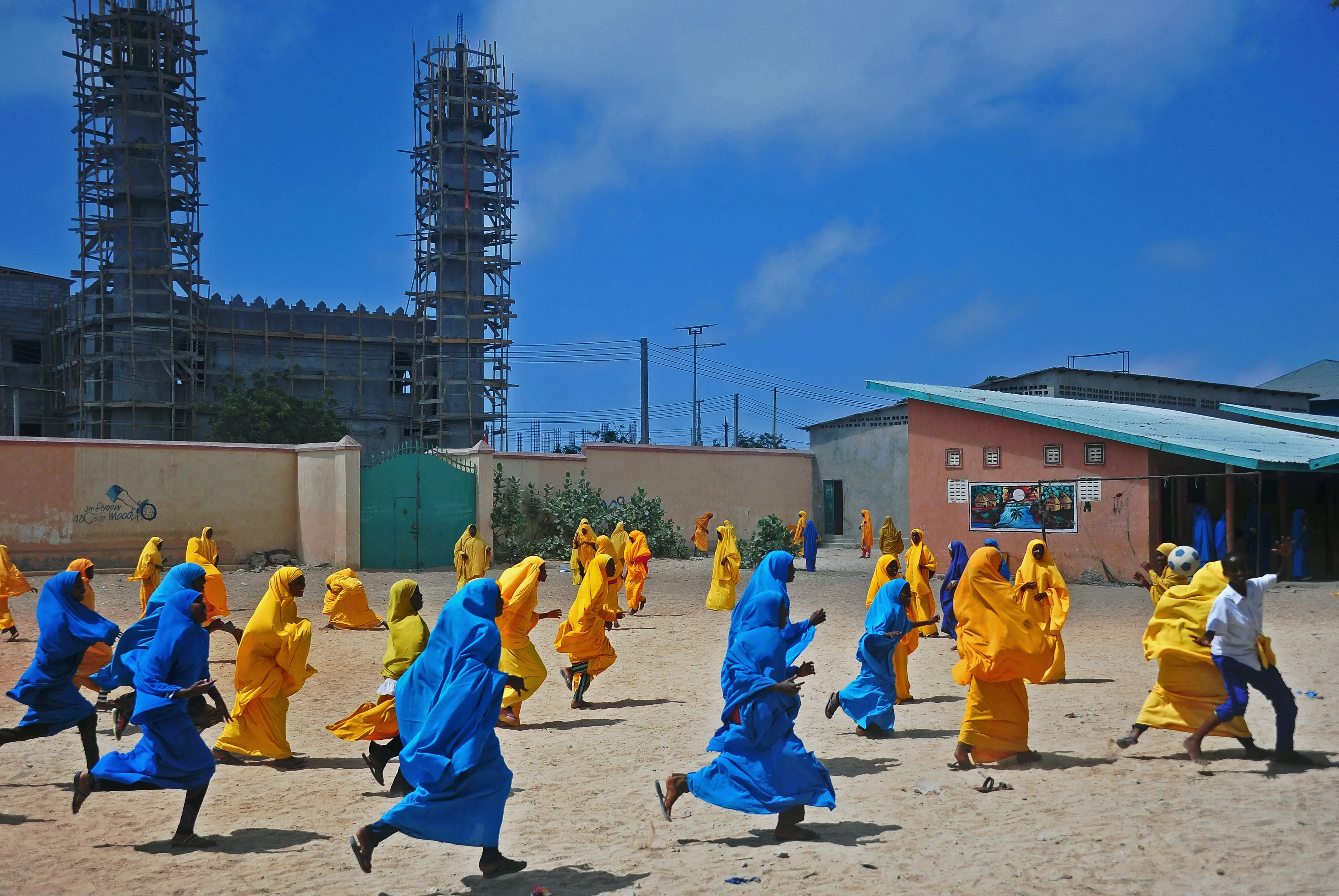
The World Health Organization recommends adolescents spend at least one hour a day exercising enough to basically break a sweat — a brisk walk or a more intense pick-up soccer game. Lots of research suggests this level of activity is crucial for supporting growing bodies and minds.
But new global data suggests only a small minority of kids and teens get that much. In fact, one in four report not hitting 60 minutes of moderate-to-vigorous exercise any day of the week, according to a new study in The Lancet Global Health. Girls, as well as adolescents from middle- and lower-income countries, reported even lower levels of exercise.
'The findings are disappointing, because one of the major results is that the trend over the last 15 years is flat,' says Fiona Bull, head of the physical activity unit at the World Health Organization, who co-authored the study. 'These data are a call for us to relook at what we're doing. Business as usual will not change these trends.'
Changing habits in those teen years could have a lifelong impact, says Solveig Cunningham, a global health researcher at Emory University. 'As an adolescent, if your baseline is zero days of physical activity, that's going to be your baseline as you go into adulthood.'
Researchers relied on a basic survey question — how many days during the past week were you active for at least 60 minutes. The report draws on data from surveys posting some version of this question to over 3 million adolescents from 140 countries over the past 15 years. Only about 14% of kids worldwide reported getting an hour a day of exercise. Globally, the average adolescent reported less than 3 such days a week, the study found.
Kids from low- and middle-income countries tended to be less active than their counterparts from wealthier Western countries, the study found. 'Physical activity is an issue of opportunity,' says Andrea Ramirez Varela, an epidemiologist at the University of Texas Health Science Center in Houston. In many lower income countries, she says the environment — where they live, go to school and play — often restricts opportunities to be active. The study didn't break down the urban and rural divide, but some research suggests rural adolescents in lower-income countries move more, often out of necessity. In increasingly populated urban areas, activity is lower.
Many cities aren't designed to be walkable, says Varela. In Latin America, where she does most of her research, 'many parents think it's unsafe to just let your kids walk alone to and from places,' much less go out and play independently. In some urban centres, air pollution can make being active outdoors unhealthy too. Screens may play a role as well: after school, kids arrive home, start watching TV and are in front of a screen, and will be sedentary the rest of the day, says Varela.
The report also revealed a stubborn gender gap. Girls were less active than boys in virtually all countries. Nearly 30% don't exercise at all during the week compared to 22% of boys. Only 11% of girls were active daily compared to 17% of boys. And girls' weekly average of active days was lower (2.4 vs 3).
'It's very worrying to see this gender difference so early,' says Bull, noting that the difference often persists into adulthood. Cunningham notes that different norms around what's appropriate for girls often drive that divergence. In India, for example, she says mothers or grandmothers will say they don't want girls spending a lot of time outside, their skin might get darker and that might have negative implications for whether they can get married. Cunningham notes that in South Asia, as well the United States, a substantial proportion of girls' active time is doing chores — if the boys are outside playing and the girls are inside sweeping, they're both active, but it's not the same thing.
Improving these trends won't be easy, experts said. Redesigning cities to be more walkable takes many years and substantial investment. Many experts point to schools as a practical place to start. 'To move the needle, we need to focus on the settings where kids and adolescents spend most of their time,' says Varela. Data suggests countries with higher levels of adolescent exercise tend to have more structured time for sport during or after the school day. Building up such programs in other countries might help close the gap, says Varela, especially if done in ways that make sport accessible and affordable.


