IPL Founder Lalit Modi Takes British Citizenship Amid Money-Laundering Investigations
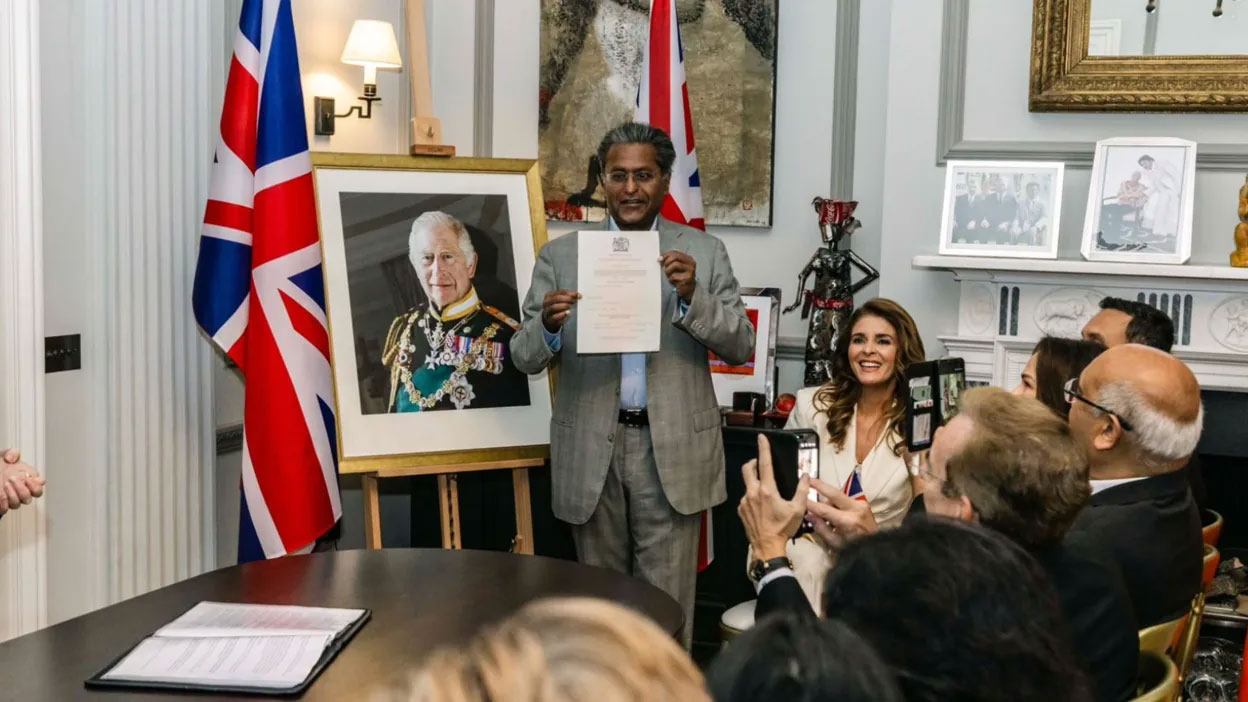
Lalit Modi, the founder of the Indian Premier League (IPL), has announced that he has become a British citizen while investigations into alleged financial irregularities and money laundering in the IPL continue. According to an NDTV report, he received British citizenship on September 15 and disclosed the information yesterday, November 14, while speaking at the Oxford Union in the United Kingdom. He described it as a deeply personal and proud milestone in his life.
In a social media post, Lalit Modi said he had celebrated becoming a British citizen at a ceremony with family and friends. He wrote that he was proud to be a British citizen, that he had celebrated receiving citizenship on September 15, 2026, alongside family and friends, and that the day would always hold a special place in his heart. He also said the day became more special because he was able to share the news on the birthday of Britain’s King Charles III.
Saying the United Kingdom has been his home for many years, Modi said he has developed deep respect and affection for its people, institutions, traditions and values. British citizenship, he said, is not only a special privilege but also a responsibility, which he accepts with pride, gratitude and a sense of belonging. He said he wants to continue contributing positively to the country he now proudly calls home, and he thanked his family, friends and the Oxford Union.
Lalit Modi played a key role in founding the IPL in 2008 and served as the tournament’s first chairman and commissioner. Under his leadership, the franchise-based Twenty20 competition attracted international players, broadcasters, sponsors and investors, and later grew into one of the world’s largest and most commercially influential cricket leagues.
His time in the IPL, however, was not free of controversy. He left India in 2010 facing allegations of financial irregularities in the IPL, manipulation of the bidding process, unauthorised fund transfers, money laundering and violations of foreign-exchange laws, and has lived in the United Kingdom since then. After an investigation into allegations of misconduct and breach of discipline, the Board of Control for Cricket in India (BCCI) banned him for life in 2013.
Indian authorities continue to investigate various aspects of the allegations of financial irregularities and rule violations raised during his time in Indian cricket administration. Modi, however, has denied the allegations of irregularities against him and has challenged various charges.
A few months ago there was significant legal progress in his favour in a case linked to the 2009 IPL season. Earlier this year, an appellate tribunal under the Smugglers and Foreign Exchange Manipulators (Forfeiture of Property) Act (SAFEMA) struck down most of the observations and fines imposed by India’s Enforcement Directorate (ED) against Lalit Modi and other appellants in that case. According to the report, the tribunal said there was not enough evidence to establish Modi’s liability in the matter.
Questions have meanwhile been raised over whether British citizenship will affect any possible extradition process involving Lalit Modi and India. A report by the Indian outlet Mashable India said British citizenship does not automatically grant immunity from extradition. The United Kingdom has a specific legal process for considering extradition requests, in which courts examine the relevant evidence, legal conditions and possible legal objections. The UK Home Office and the courts both have roles at different stages of the process.
India, on the other hand, does not recognise dual citizenship. Under Section 9 of the Citizenship Act of 1955, an Indian citizen who voluntarily acquires the citizenship of another country loses Indian citizenship. The specific impact of Modi’s change of citizenship, however, will depend on the applicable legal and administrative processes.