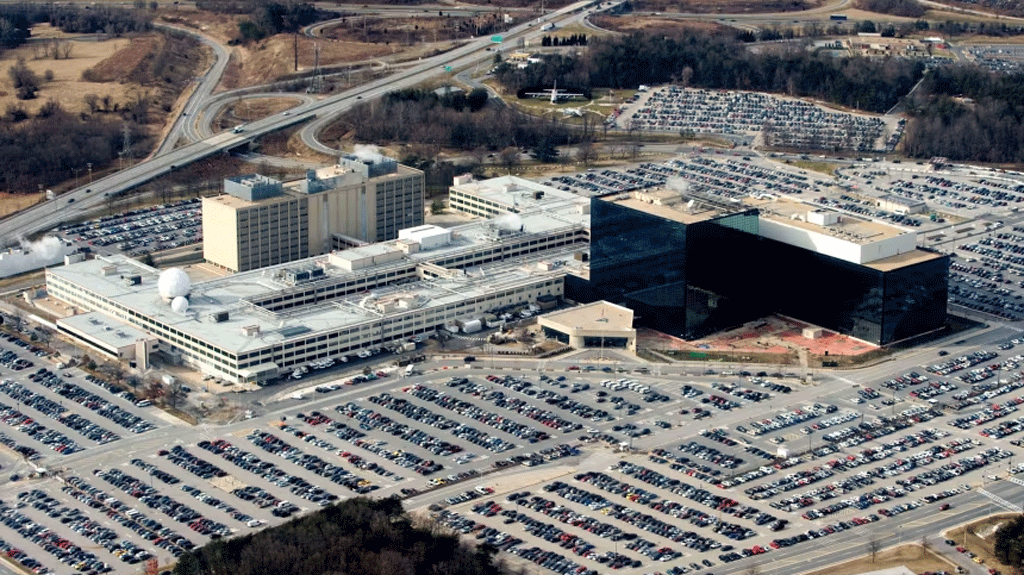
US hyperscale datacenters emit as much carbon as Denmark in a year, study finds
The frantic buildout of 'hyperscaler' datacenters across the United States has collectively caused planet-heating emissions of about the same scale as Denmark emits in a year, new research has found.
In that period, 403 'hyperscalers' — the largest datacenters, used primarily to handle the growth of artificial intelligence — emitted about 25.7 million metric tons of carbon dioxide, according to the study. That is equivalent to the entire annual carbon pollution of Denmark, a country of 6 million people, and is about two to three times more than a previous estimate of hyperscale emissions in 2018.
The research, published in Nature Sustainability, found that these datacenters were responsible for about 1.8 percent of total US electricity consumption.
Researchers said this vast datacenter energy demand, centred on states such as Virginia, Oregon, Ohio and Iowa, is almost certainly a conservative estimate. The study used federal government data to determine emissions from the facilities over a year until April 2025; since then, the rapid expansion of datacenters has only accelerated further.
'There has been an explosion in these datacenters and the CO2 emissions are pretty substantial,' said Francesca Dominici, a professor of biostatistics at Harvard University and a co-author of the study, which was led by Gianluca Guidi. She said that since 2025 there have been many more datacenters, so this level of emissions should be seen as a lower bound.
Datacenters use an enormous amount of energy. The study estimates the hyperscale group consumed 68 to 99 terawatt-hours of electricity over the year, and largely drew upon dirtier sources of power to meet this demand.
More than half of the generation used by hyperscalers came from fossil fuels. The growth of AI is being underpinned by a rise in new gas-fired power, sometimes built at the site of the facilities themselves, which is being favoured over installed renewables such as solar and wind, the research found.
Gina McCarthy, a former climate adviser in Joe Biden's administration, said it does not surprise her that the majority of hyperscale datacenters rely on fossil fuels for their power generation, and called the study an 'important step' in assessing the impact of datacenters.
In the US, a bipartisan public backlash against datacenters shows little sign of abating. Local opposition has focused on several big developments, such as a cluster of datacenters in the greater Memphis, Tennessee region that are central to Elon Musk's AI ambitions but have faced protests and lawsuits over their noise and air pollution; Musk's AI company has responded by buying the homes of those who live nearby.
President Donald Trump, a vocal supporter of the AI industry, has said people who oppose the growth of datacenters will end up 'backwards and poor'.