Five Ways to Meet Your Iron Needs Without Eating Meat
When the body lacks iron, people usually think of eating liver or red meat. But many are now cutting back on meat because of health risks, environmental concerns or soaring prices. Meanwhile, one in three people worldwide suffers from iron deficiency.
Constant tiredness, weakness or getting out of breath quickly are all signs that the body's iron is running low. Even without meat, iron can be obtained from plant foods. But how much iron is absorbed depends not only on what is eaten; it also depends a great deal on how the food is cooked or what it is combined with. There are five ways to raise the body's ability to absorb iron without meat.
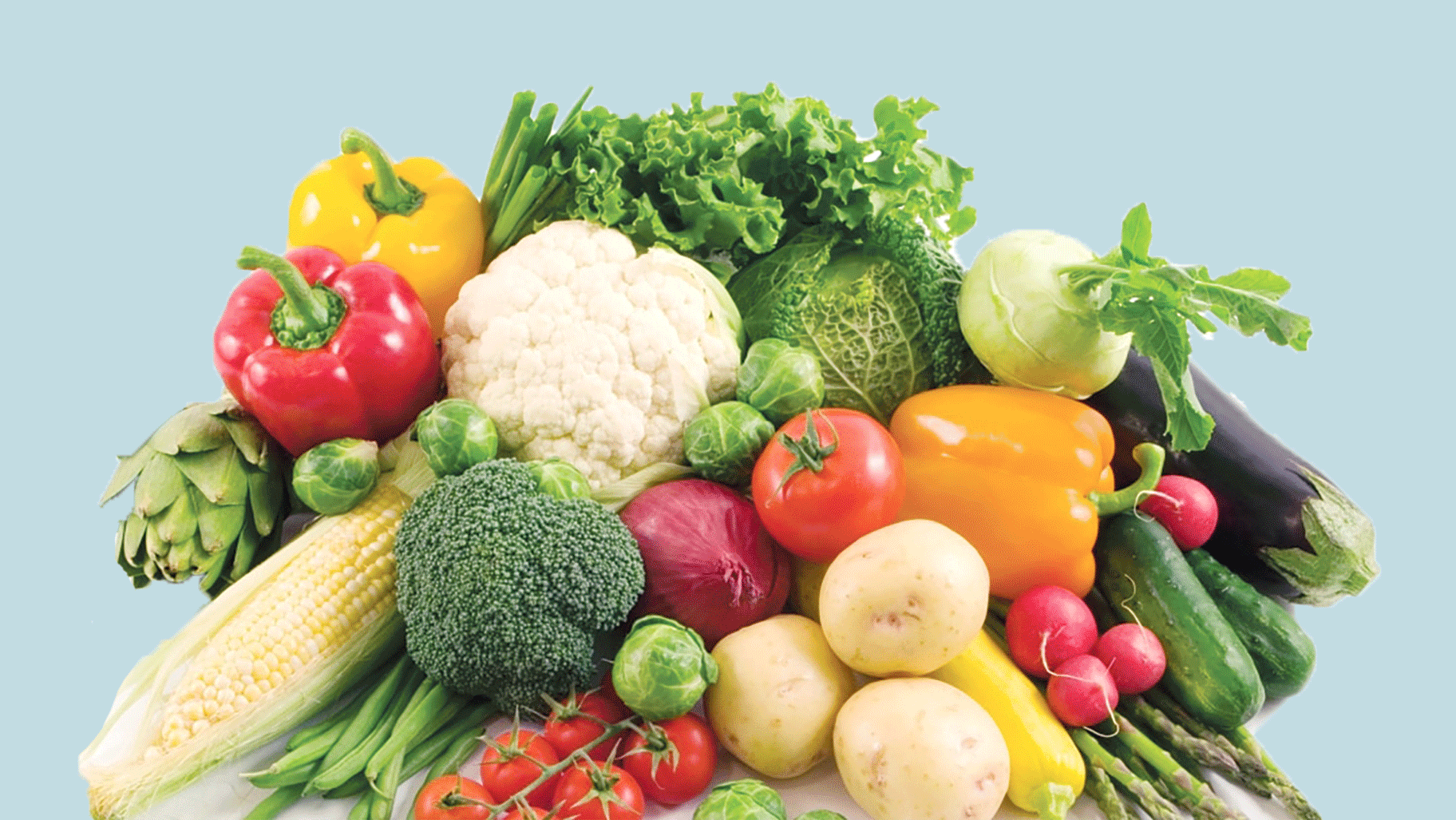
The first way concerns how greens are cooked. Spinach does contain plenty of iron — that is true. But the body can absorb very little iron from raw spinach, because spinach, beet leaves and Swiss chard contain a compound called oxalate, which traps iron. Boiling these greens removes the oxalate and lets the body absorb iron easily. Lettuce and cabbage, on the other hand, are low in oxalate, so eating them raw or lightly steamed keeps their vitamin C intact, which helps iron absorption.
The second way is to use vitamin C. The body absorbs plant-based, or non-haem, iron much more slowly than iron from meat. According to Yemisi Latunde-Dada, a senior lecturer in nutritional sciences at King's College London, vitamin C is highly effective at increasing iron absorption from plant foods. So a squeeze of lemon juice can be added over lentils, chickpeas or vegetables, or a glass of orange juice kept with breakfast.
The third way is fermentation. This food-processing method works like magic for iron absorption. Grains, nuts and seeds naturally contain phytic acid, which blocks the body from taking in iron. When food is fermented, that phytic acid breaks down. So sourdough bread can be chosen instead of ordinary bread, as it is much more helpful for iron absorption.
The fourth point is caution about fortified foods. Many breakfast cereals and breads on the market have iron added separately, which is called fortified food. But according to Professor Susan Fairweather-Tait of the University of East Anglia, manufacturers use forms of iron that preserve the food's taste and colour but that the body cannot absorb well. So it is wiser to rely on natural sources such as chickpeas, broccoli, tofu or sunflower seeds rather than packaged foods.
The fifth way concerns the timing of tea and coffee. Many people habitually sip a cup of hot tea or coffee right after a meal. But the tannins and polyphenols in tea and coffee seriously obstruct the absorption of iron from food. Experts therefore advise drinking tea or coffee at least two hours after eating, to get the full nutritional value of the meal.
Eating a large amount of iron-rich food at once does not mean the body can take it all in. Taking iron through small, balanced meals spread across the day is most effective. And a doctor should always be consulted before taking any supplement.