Strong El Niño pushes up prices of rice, lentils, rubber and sugar across Asia

A strong El Niño is increasing instability in agricultural markets across India and South and Southeast Asia. Adverse weather, irregular rainfall and fears of drought have raised concerns that production of major food grains will fall. Fears of supply shortages and rising demand for substitute products have pushed up the prices of rice, lentils, natural rubber and sugar, and the effect is reaching international markets as well.
A report by the Japan-based Nikkei Asia said El Niño is changing weather patterns in agricultural producing countries across Asia. Excessive rain in some places and drought in others have raised fears that crop production and supply systems will be disrupted. The effect has already begun to appear in the markets for several important products.
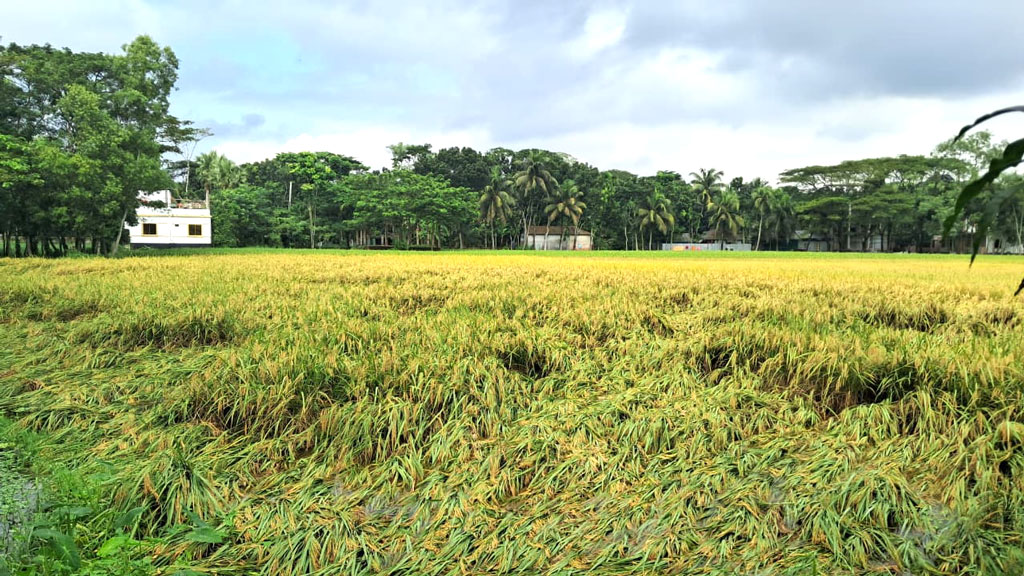
The impact of the adverse weather has been greatest in the rice market. Export prices for rice from India, the world’s top rice producer and exporter, reached their highest level in a year and a half at the end of last October. Prices are rising as fears of lower production and uncertainty over supply continue.
According to a forecast by the US Department of Agriculture (USDA), India’s rice production in the 2026-27 marketing year could fall to 147 million tonnes. Production could drop by about 7 million tonnes compared with the previous year. If the forecast proves correct, it would be the biggest fall in India’s rice production since 2009-10; that year too, El Niño brought severe drought.
Alongside India, export prices for rice from Thailand and Vietnam also reached their highest level in almost two years last week. Extra buying by importing countries such as the Philippines has increased demand in the market. Fears of drought in Thailand and Vietnam next year have raised concerns that production and supply will fall. In this situation, many buyers are turning to Indian rice because of its comparatively lower price.
Alongside rice, India’s lentil market is also trending upward. According to Indian government data, the price of peas reached 135 rupees 21 paise per kilogram on 12 November; the price has risen 18 percent in a year. Over the same period, the price of black gram rose 12 percent to 126 rupees 71 paise per kilogram.
Alongside fears of lower production, rising demand for substitute products in diets is putting extra pressure on the lentil market. If uncertainty develops over rice supplies, some consumers may turn to alternative food products. That could push lentil demand and prices higher still.
The effect of El Niño is also clear in the natural rubber market. On Japan’s Osaka Exchange, the price of rubber futures contracts rose two weeks ago to 445 yen 2 sen per kilogram, the highest rate in two weeks. Earlier, in mid-October, the rubber price touched 468 yen 2 sen per kilogram, its highest level in 15 years.
In Thailand, the world’s largest natural rubber producer, continuous heavy rain is disrupting the collection of rubber from trees and its processing. Indonesia, the second-largest producer, is meanwhile facing drought. As a result, supplies from both important producing countries are feared to fall.
Alongside this, crude oil prices have risen because of instability in the Middle East, increasing the production cost of synthetic rubber. That has increased demand for natural rubber as an alternative. Added demand combined with uncertainty over production and supply is making the market for the product more unstable.
A similar situation has developed in the sugar market. Adverse weather has raised fears of lower production in Brazil and India, two of the world’s main sugar producing countries. As a result, sugar prices on New York’s Intercontinental Exchange (ICE) rose to 21 dollars 29 cents per pound, the highest rate in about a year and a half.
Market analysts fear that if El Niño combines with the effects of long-term climate change, crops could be damaged in several major producing regions at the same time. A production shortfall in one region would then become difficult to cover through imports from another. The supply crisis in international markets could deepen, and agricultural prices could remain high for a long time.
According to experts, the effect of El Niño will not remain limited to India but could spread to various countries in Southeast Asia. There are also fears it will affect developed countries in the northern hemisphere in winter. Overall, if production shortfalls, higher supply costs and demand for substitutes all rise together, prices of rice, lentils, rubber and sugar risk rising further.