When bad breath becomes a cause for concern, a specialist explains
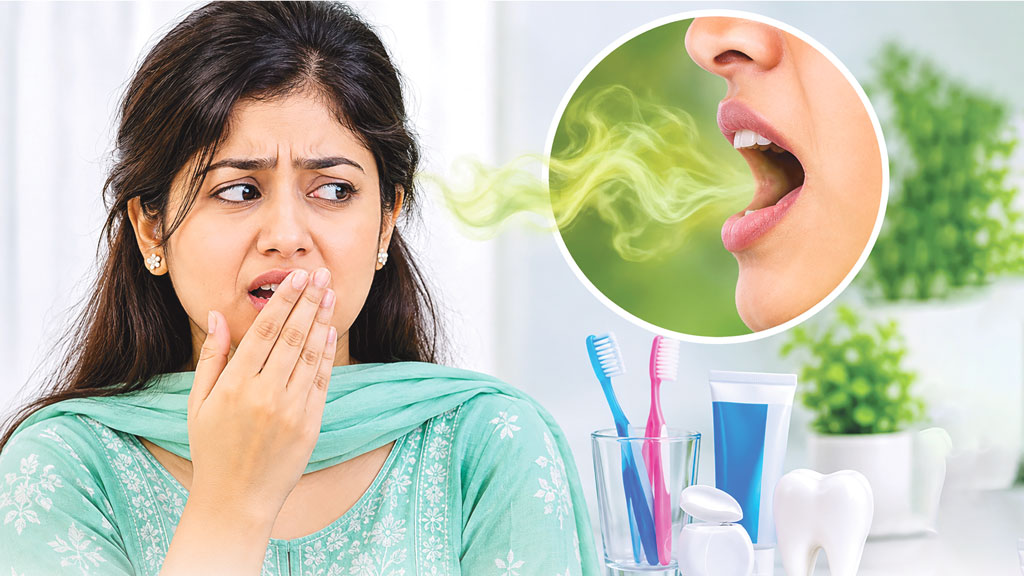
Bad breath is a problem almost everyone experiences at some point in life. For some it is temporary; for others it is a source of daily discomfort. Sometimes it is so strong that it affects talking to others, socialising and social relationships. In medical terms, bad breath is called halitosis.
Many people treat bad breath as a minor issue and give it little importance. Yet sometimes it can be a symptom of diseases of the teeth and gums, or of another health problem in the body. That is why it is important to know why bad breath happens, when it becomes a cause for concern, and how it can be prevented.
The common causes of bad breath are bacteria inside the mouth, food particles lodged in the teeth, and poor cleanliness of the mouth and teeth. But there are several other reasons the breath can smell bad.
Problems of the tongue and tonsils can also cause bad breath. Bacteria and debris accumulating at the back of the tongue can produce the odour. Recurrent tonsil inflammation or tonsil stones can also cause bad breath.
Chronic sinus pain, some respiratory infections, acid reflux and certain other physical problems can also make the breath smell. In serious kidney or liver disease, the smell of the breath sometimes changes. However, most causes of bad breath lie inside the oral cavity.
If bad breath persists for a long time, or does not lessen even after regular teeth cleaning, a dental surgeon should be consulted. In particular, a doctor should be seen if the bad breath comes with bleeding gums, swollen gums, toothache, loose teeth, a long-lasting sore in the mouth, or an excessively dry mouth.
Any sore in the mouth that lasts more than two weeks must be shown to a doctor, because in some cases a persistent mouth sore or abnormal change can be a sign of a serious disease.
Treatment of bad breath depends on its root cause. If the problem is inside the mouth, a dental surgeon will examine the teeth, gums, tongue and oral cavity and give the necessary treatment. Alongside treatment, some daily habits need to change. In most cases, proper care of the mouth and teeth can bring the problem largely under control. The piece was written by Dr Sharmin Zaman, oral and maxillofacial surgeon at Farazy Dental and Research Centre, Dhaka.