Giant data center plan splits residents of West Virginia's dark-sky valley
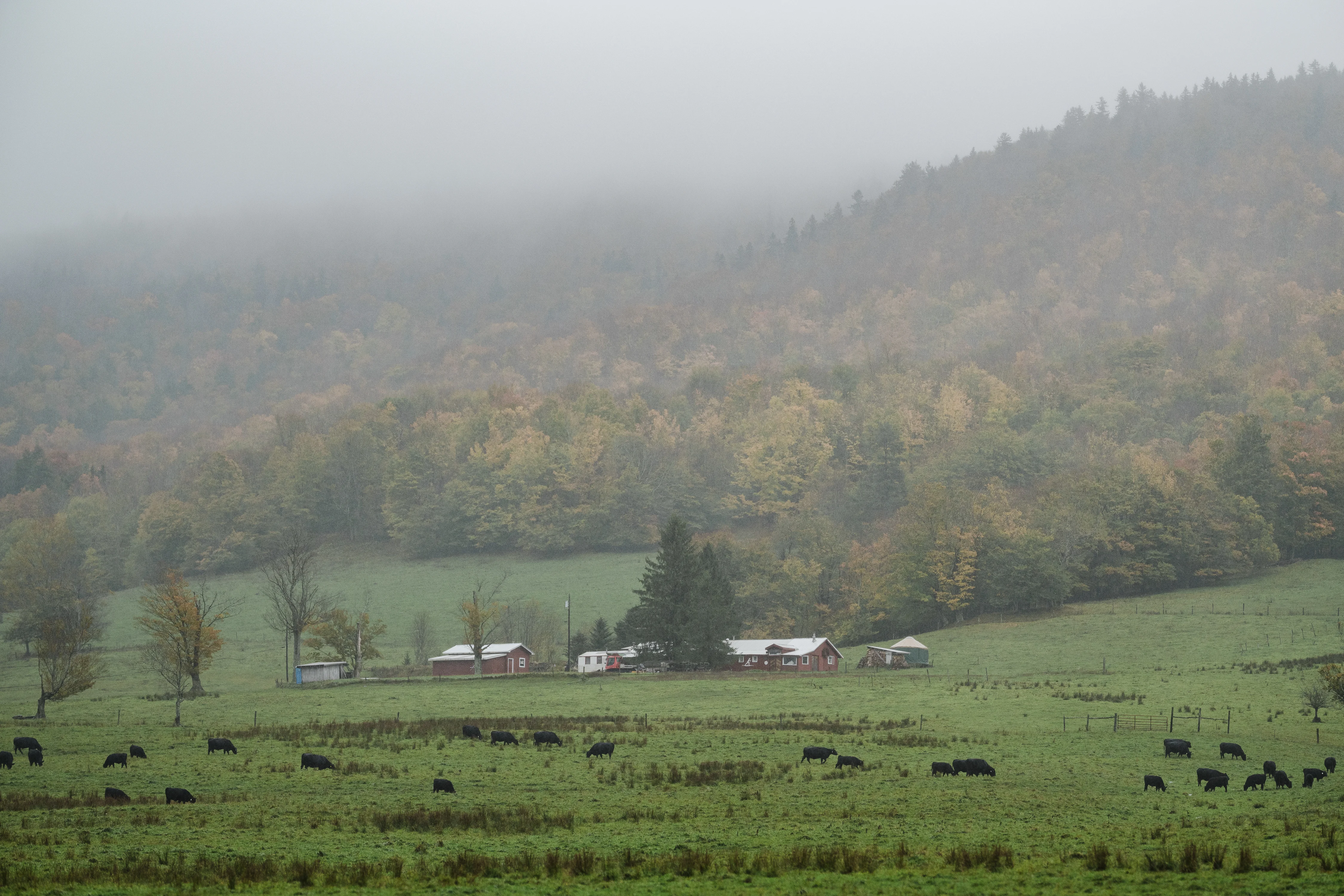
Stretching nearly a million acres through the rugged mountains of eastern West Virginia, the Monongahela National Forest links the ski slopes of Canaan Valley, Blackwater Falls and the famous dark skies of Spruce Knob. The small towns of Davis and Thomas serve as gateways for visitors. A plan for a gigantic power plant and data center campus near this area, in Tucker County, has now sharply divided local residents.
Kaleb Skelton is finishing a seasonal stint as a campground manager on a lake near Spruce Knob, the state's highest point. For the past seven months he has lived in a camper there with his wife, Ella, their 2-year-old son, Ryder, and dog Mabel. On clear nights the peak offers a river of stars in one of the very few pockets of darkness remaining in the Eastern United States, drawing amateur astronomers. During summer new moons, Kaleb says, one in four campsites he oversees is occupied by someone with a telescope.
The proposed project is called Ridgeline, and it is backed by Fundamental Data LLC, based in Purcellville, Virginia. The company describes it as a large-scale data and energy infrastructure project designed to support artificial intelligence, cloud computing and enterprise systems. A roughly 785-megawatt generating plant is slated to be the first part. It would rely primarily on natural gas, with diesel as a backup fuel.
According to local news reports, the complex is planned for a reclaimed coal-mining site, starting with 291 acres that could eventually expand to 10,000 acres — 15 square miles — including parts of neighbouring Grant County. Casey Chapman, listed in court documents as Fundamental Data's 'responsible individual', declined to speculate on the facility's ultimate size, saying only that if fully developed it would be thousands of acres.
Light pollution is a central point of dispute. Chapman says the company will use well-designed lighting to minimise sky glow, so as not to jeopardise nearby Blackwater Falls State Park's pursuit of an official dark-sky certification. But an analysis by the Northern Virginia Astronomy Club found that Ridgeline's initial footprint could increase sky glow near Blackwater by 528 percent, turning its rural night sky into one comparable to a suburban area. The same analysis found only a minimal impact on Spruce Knob.
Chapman says safety and security, not light pollution, take precedence. The facility will be an industrial plant that runs around the clock, he notes, and crews need proper lighting to operate and maintain equipment safely.
Chip Chase is among the sceptics. He helped found the White Grass Ski Touring Center, a popular cross-country ski area in Canaan Valley, 45 years ago. He says people come to the area to get away from data centers, and that people want dark skies and a peaceful, quiet recreational area there.
Economic development, however, is a top priority for West Virginia. The state ranks among the poorest in the country and has lost population since 1950. John Deskins, director of the West Virginia University Bureau of Business and Economic Research, says data centers could be a boon as long as proper procedures are followed around noise pollution, water pollution and other elements of environmental pollution.
It is those procedures that worry Tucker United, a grassroots group opposing the plans, which is battling what it sees as a lack of transparency. Davis Mayor Alan Tomson says the first anyone in the community heard about Ridgeline was in March 2025, when an obscure notice appeared in a local newspaper announcing a request for an air-quality permit for a proposed power plant. A resident called to ask if he knew anything about it; he did not, and the mayor of neighbouring Thomas had not heard anything either.
A month later, the Republican super-majority in both houses of the state legislature passed a highly unusual bill exempting certified microgrid districts and high-impact data centers from county or municipal zoning and from local restrictions related to noise, viewshed, lighting, development and land use. Opponents gathered 1,000 signatures on a petition urging Republican Governor Patrick Morrisey to veto the bill, but they were unsuccessful. Signing the legislation, the governor noted the state's need to focus on economic development and using its natural resources, adding that companies would now be able to quickly build, expand and increase job creation in West Virginia.
Tucker United spokesperson Nikki Forrester says the law removed the regulation and guardrails for these data center developments. The West Virginia Department of Environmental Protection approved Fundamental Data's air-quality permit; opponents say it did so without a comprehensive assessment of the facility's potential public-health impacts on the surrounding valley. The department said it does not comment on active litigation and declined an interview request. Power generated on site, rather than bought from the regional grid, could ease some concerns about effects on electricity rates, but it does not resolve concerns over air and water pollution.