In Satkhira's Atulia, a daily fight against salinity and water scarcity as COP31 approaches in Antalya

Ramzan Sheikh, 55, a resident of Atulia Union in Shyamnagar Upazila of Satkhira, lives very close to an embankment. He has to repair his house several times a year. A shortage of safe drinking water, a crisis in income, and the effect of salinity on farmland make survival a daily struggle for him.
His neighbour Hasmat Ali, 45, lost part of his face in a tiger attack while working in the Sundarbans. He too described a crisis on many fronts. When erosion appears in the embankment, fresh fear spreads among these residents.
Ramzan Sheikh said, 'Our fight never ends. Climate change makes our fight for life harder. To survive, we have to change our way of life and livelihood again and again. It is an unstable life. We have only one demand: we want to live normally.'
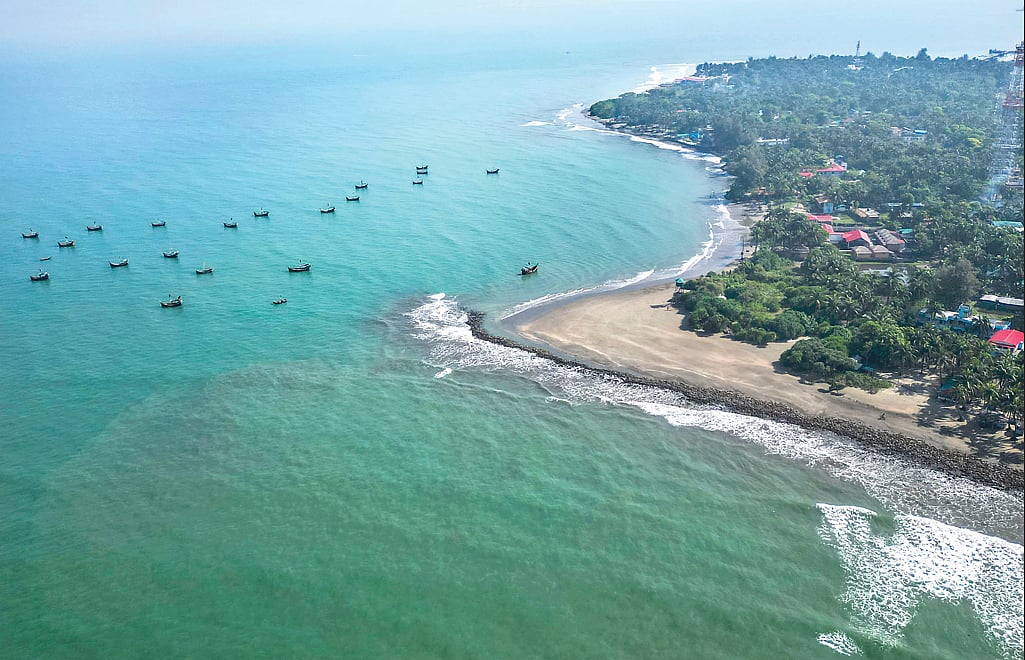
Atulia is a disaster-prone union in Shyamnagar Upazila of Satkhira district in southwestern Bangladesh. It is 288 kilometres from the capital Dhaka and about 57 kilometres from Satkhira district town. The report said about 40,000 people live amid multiple crises in the union.
At high tide, waves from the Kholpetua River strike the narrow embankment. When the river rises or the wind strengthens the waves, fear grows among the people of Atulia. The river is on one side and homes on the other, with only a narrow path in between.
Other at-risk areas named in the report include Padmapukur, Pratapnagar, Burigoalini, Ramjannagar, Kaikhali, Gabura, Uttar Bedkashi and Dakshin Bedkashi. Rising salinity has made both groundwater and surface water sources unfit for drinking.
After cyclones Aila and Amphan, saline water entered vast tracts of farmland. As a result, traditional crop production in the Aman and Boro seasons has become difficult, and land remains fallow for a large part of the year. Tidal surges also break weak embankments, flooding villages and fish enclosures and creating long-lasting waterlogging.
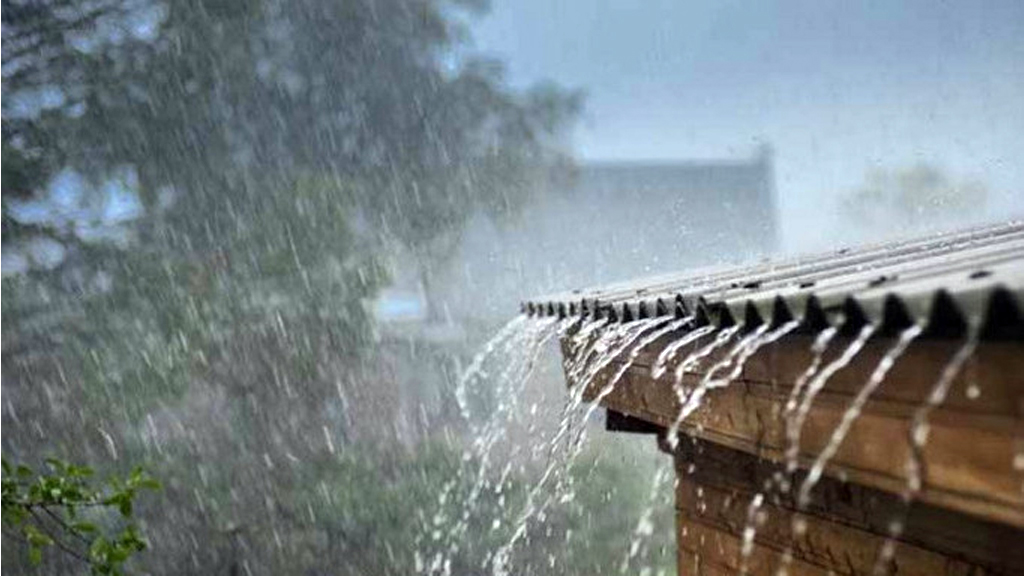
Farmer Mobarak Hossain said that without rain, salinity rises in the land and rice plants turn red. Irrigation that once needed to be given once a week now has to be given twice a week. Where one litre of diesel was once needed for one bigha of land, two and a half litres are now needed per bigha because of the long absence of rain.
According to Ramzan Sheikh, the long dry spell is making rice ears smaller, and after the ears emerge they dry up and become chaff. More chemical fertiliser also has to be applied, fuel costs are rising, and six to seven maunds less rice is being produced per bigha because of the lack of rain.
Research by BARCIK cited in the report says farmers are the worst affected by climate change in the southwest. Lack of rain and excessive temperatures are shrinking the cultivation period, reducing seed germination, lowering flowers and fruit, and making fruit smaller. The research also noted that temperature fluctuations reduce egg production in ducks and chickens.
The water crisis is clearest in Talbaria and Atulia villages. About 300 families live in these two villages, with a population of more than 1,500. The source of safe drinking water is at least three kilometres away: a filter installed by the pond at the home of Monoranjan Boiragi in Henchi village of the same union. Collection begins at dawn, and after the morning round comes the afternoon round.
Schoolteacher Tapas Kumar Mondal said there was a water crisis in this area before, but it increased abnormally after Aila. No one in these two villages gets the safe drinking water they need. Sujata Mondal said collecting just two pitchers of water a day takes a long time.
Zarina Khatun of Laxmikhali village in Gabura Union said even spending a jug of water for a guest becomes difficult. Every vessel in the house is used to store safe drinking water, and people have to be even more careful with water use in the dry season.
Against this reality, the COP31 conference will be held from 9 to 20 November in the Turkish coastal city of Antalya. World leaders will gather at the Antalya Expo Centre to address the climate crisis. The report raises the question of how far the crisis of the people of Atulia will reach that conference.